





The Allure of Ancestral Wisdom
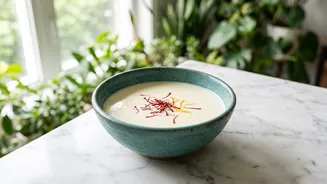
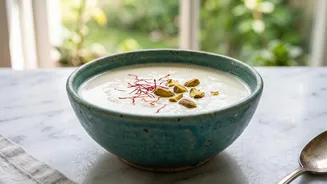
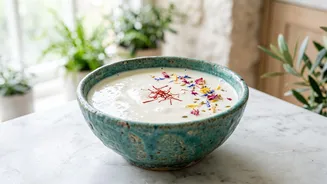
In a world saturated with complex chemical serums and ten-step routines, there is a powerful allure to simplicity. Khushbu Sundar's reported skincare habit—using raw milk, saffron-infused water, and natural oils—taps directly into this sentiment. At 56,
the actor and politician’s glowing complexion is a strong endorsement for her methods, which feel both accessible and authentic. For generations, ingredients like milk and saffron have been staples in Indian households for nourishment and radiance. This connection to tradition makes such celebrity tips feel less like a fleeting trend and more like a time-tested ritual. The appeal is clear: if it’s natural and has been used for centuries, it must be good for you. However, as with any skincare advice, it is crucial to separate anecdotal success from proven science.
Raw Milk: The Good, the Bad, and the Risky
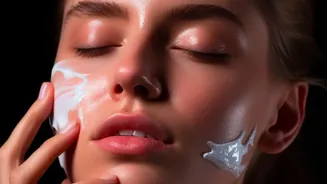
Milk's reputation in skincare is built on one key component: lactic acid. This alpha-hydroxy acid (AHA) is a celebrated ingredient in modern cosmetics, known for its ability to gently exfoliate dead skin cells, promote cell turnover, and improve skin texture. The idea is that applying milk gives you a mild dose of this beneficial acid. Some also point to its fats and proteins as natural moisturisers that can leave skin feeling temporarily soft. However, dermatologists overwhelmingly advise caution, especially with raw milk. Since it is unpasteurised, raw milk can contain bacteria like E. coli and Salmonella. Applying it directly to your face, particularly if you have sensitive or acne-prone skin, can introduce these microbes and potentially lead to infections, irritation, or breakouts. Experts note that the concentration of lactic acid in fresh milk is too low to offer significant exfoliation compared to a formulated product.
Saffron: A Golden Touch of Science
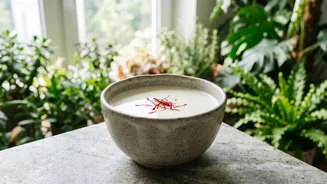
Unlike raw milk, saffron’s skincare credentials have more solid scientific backing. The prized spice is rich in antioxidants like crocin and safranal, which help protect the skin from environmental stressors and inflammation. Studies have shown that saffron can inhibit tyrosinase, an enzyme responsible for melanin production, which means it can help fade dark spots and even out skin tone. Its anti-inflammatory properties can be soothing for irritated skin, and some dermatologists see it as a gentle alternative for those who cannot tolerate stronger active ingredients. The key, however, lies in formulation. Saffron's beneficial compounds are more effective when delivered in a stable, well-absorbed base like an oil or serum, rather than just infused in water. So, while Khushbu's saffron water is a step in the right direction, a formulated product is likely to deliver more reliable results.
The Dermatologist's Verdict
When presented with a DIY remedy like raw milk and saffron, most skincare experts offer a balanced but firm perspective. They acknowledge the traditional basis of these ingredients but stress that 'natural' does not automatically mean 'safe' or 'effective'. The consensus on raw milk is largely negative due to the risk of bacterial contamination, which is seen to outweigh its minimal benefits. As one dermatologist noted, while the lactic acid content is a plus, you can get it in much safer and more effective concentrations from professionally formulated products. Regarding saffron, the opinion is more favorable. Its antioxidant and brightening properties are well-documented. However, experts advise using saffron in products that are pH-balanced and designed for optimal skin absorption to truly reap its benefits. The general advice is to be wary of kitchen remedies that haven't been tested for safety and stability.
Safer Alternatives for a Natural Glow
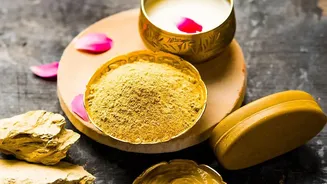
If you are inspired by Khushbu Sundar’s routine but want to avoid the risks, there are plenty of safe and effective ways to incorporate these ingredients' principles into your regimen. Instead of raw milk, consider a cleanser or toner with a low percentage of lactic acid. This will provide consistent, gentle exfoliation without the bacterial risk. For the brightening effects of saffron, look for serums or moisturisers that list it as a key ingredient. These products are formulated to ensure the saffron is stable and can penetrate the skin effectively. If you enjoy the ritual of a homemade mask, using pasteurised milk or yogurt (which has a higher concentration of lactic acid) is a safer alternative to raw milk. You can mix it with a pinch of turmeric or a few strands of high-quality saffron for a weekly treatment that echoes tradition without compromising on safety.