





A City on Shaky Ground
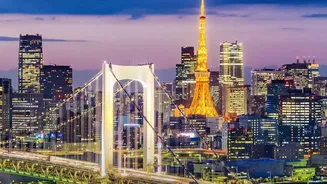
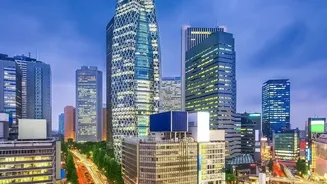
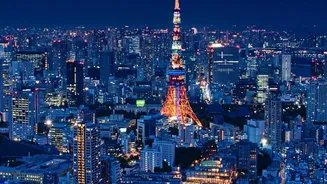
Tokyo is not just Japan's political capital; it is its undisputed economic, cultural, and population center. The greater Tokyo area is home to roughly 30% of the country's population and generates about a fifth of its entire economic output. Key government
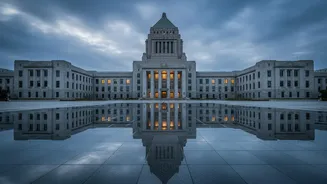
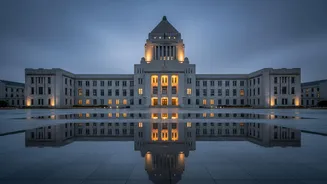
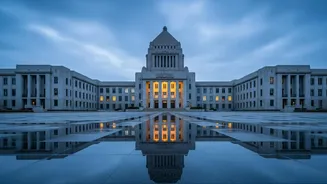
ministries, the central bank, and the headquarters of most major corporations are all concentrated in a region known to be a seismic hotspot. A catastrophic earthquake, which experts say is a matter of when, not if, could paralyze the nation's ability to function. Recognizing this existential threat, the Japanese parliament, or Diet, passed legislation in July 2026 to create a legal framework for designating a backup administrative center. This “second capital” would not replace Tokyo but would be ready to temporarily assume critical government functions in the event of a national emergency.
The Search for a Plan B
The law itself does not name a specific city. Instead, it outlines the requirements for a candidate region. Any potential backup capital must be in an area with a low risk of being affected by the same disaster that hits Tokyo. It also needs to have sufficient infrastructure, economic heft, and administrative capacity to handle the responsibilities of governing. The idea serves a dual purpose: enhancing national security and promoting more balanced regional development to counteract the immense concentration of resources in Tokyo. The framework allows for the designation of one or even multiple backup centers, with the final decision resting with the Prime Minister. The chosen region or regions would be eligible for deregulation, tax incentives, and other preferential treatment to encourage investment.
The Contenders Emerge
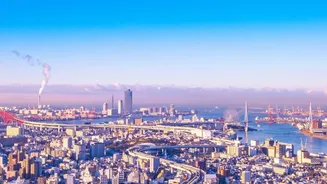
Immediately after the law's passage, several prefectures began jockeying for position. The most prominent contender is Osaka, Japan's third-largest city. The push for the law was strongly supported by the Osaka-based Japan Innovation Party (JIP) as a condition for joining the ruling coalition, leading many to believe the city has an inside track. However, other powerful regions quickly threw their hats in the ring. Aichi Prefecture, home to Toyota Motor Corp., declared its ambition to be the first designated region. Fukuoka in the south and Sapporo in the northern island of Hokkaido have also been cited as potential candidates due to their robust infrastructure and relative distance from Tokyo's specific seismic risks.
Political and Economic Roadblocks
Despite the clear need and interested parties, the process has stalled. A major reason is politics. Critics have labeled the legislation the "Osaka Special Treatment Act," fearing it is designed to funnel government investment into the JIP's political stronghold at the expense of other regions. This has created friction, with opposition parties narrowly failing to block the bill in the upper house of parliament. Furthermore, the government has yet to provide cost estimates for the initiative or detail its expected economic benefits, raising concerns about fiscal discipline. There is also a debate within Osaka itself about a controversial plan to reorganize the city's administrative structure, which some see as a prerequisite for becoming a backup capital but which residents have twice rejected in referendums.
A Decentralized Future?
The delay and political infighting suggest that designating a single, all-encompassing "second capital" may prove too difficult. The law's provision for multiple backup centers might offer a more politically palatable path forward. Instead of crowning one city, the government could decentralize specific capital functions across several regions. For instance, certain financial agencies could have a backup in Fukuoka, while legislative backup functions could be prepared in Aichi. This approach could spread the economic benefits more widely and reduce accusations of political favoritism. However, many key operational details, such as which specific agencies would have backup locations and how a transition would work in a crisis, have been left for the government to decide later. For now, the grand vision for a national Plan B remains just that—a vision.