

Why Start with Herbs?
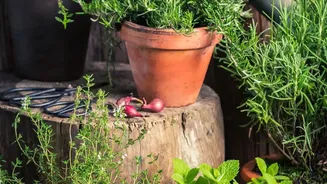
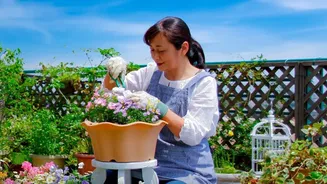
For anyone curious about gardening but intimidated by the prospect, herbs are the perfect starting point. They are incredibly forgiving, thrive in containers, and don’t demand much space. Many varieties grow happily on a sunny windowsill or a small balcony,
making them ideal for apartment living. The rewards are immediate and tangible: the simple joy of snipping fresh leaves for your morning tea or evening meal. This instant gratification provides a confidence boost that can encourage you to explore gardening further. Furthermore, tending to plants, even for a few minutes a day, is known to be a calming activity that can help reduce stress and improve your mood.
Five Easy Herbs for Your Kitchen Garden
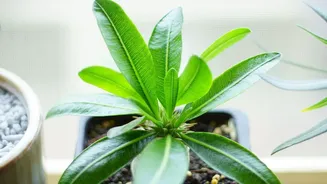
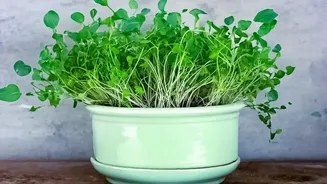
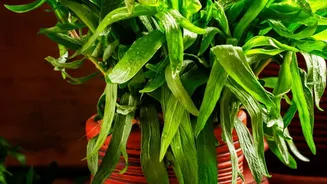
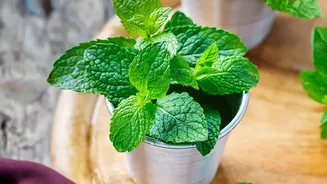
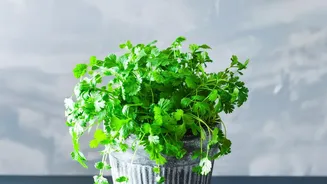
Getting started is as simple as choosing a few plants that are well-suited to pot culture and common in Indian cooking. Mint (Pudina): This vigorous herb is famously easy to grow. It thrives in pots and adapts to both full sun and partial shade. Keep its soil moist, and be sure to grow it in its own container, as it tends to spread quickly. Regular trimming for your chutneys and teas will encourage it to grow bushier. Coriander (Dhania): A staple in any Indian kitchen, coriander can be grown for both its leaves and seeds. It prefers cooler weather and moderate watering. The fresh leaves can be ready to harvest in just a few weeks from planting. Holy Basil (Tulsi): Revered for its medicinal properties and an essential in many households, Tulsi is a hardy plant that requires little care. It needs a sunny spot and regular watering to flourish. Its aromatic leaves can be used for teas and traditional remedies. Curry Leaves (Kadi Patta): No tadka is complete without this aromatic leaf. A curry leaf plant needs a large, deep pot to accommodate its roots and plenty of sunlight. While it requires a bit more patience, having a fresh supply on hand is well worth the effort. Ajwain (Carom): The leaves of the ajwain plant have a distinct, pungent flavour and are often used in home remedies for indigestion. It's a low-maintenance plant that grows well in pots and requires a sunny location and well-drained soil.
Your Simple Starter Kit
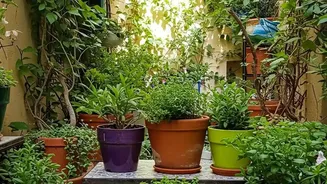
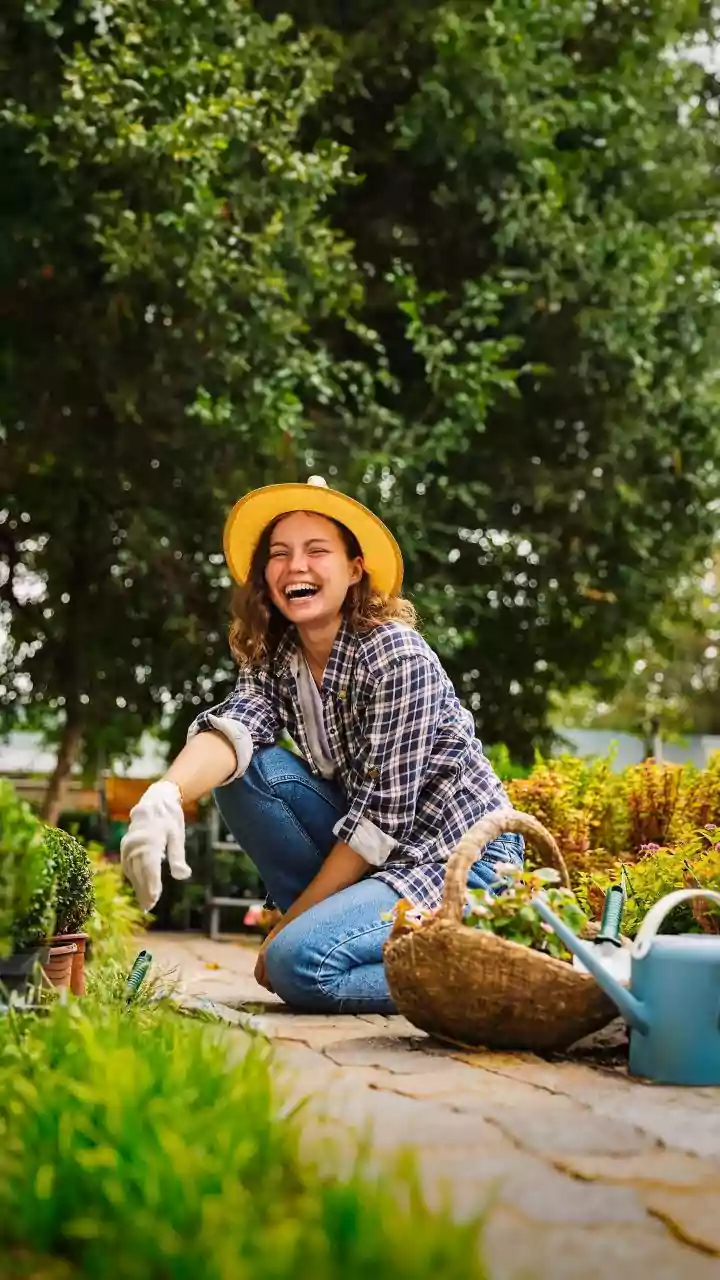
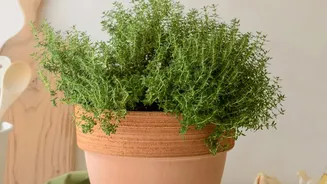
You don’t need an elaborate setup to begin. Your essential shopping list is short and straightforward. First, select your containers. Terracotta or clay pots are excellent choices as they are porous and allow the soil to breathe, but recycled plastic containers also work well. The most critical feature is drainage holes at the bottom to prevent water from logging and causing root rot. Next is the soil. Avoid using dense garden soil from the ground, which can become too compact in pots. Instead, opt for a high-quality, lightweight potting mix, often available pre-packaged. These mixes are designed for containers and provide the right balance of drainage and nutrients. Finally, you can start with either seeds or, for an even easier beginning, small starter plants (saplings) which are often available at local nurseries.
Avoiding Common Beginner Mistakes
As you start your gardening journey, a few tips can help you avoid common pitfalls. The most frequent mistake beginners make is overwatering. Always check the soil before adding more water; a simple 'finger test' works best. Stick your finger about an inch into the soil—if it feels dry, it's time to water. If it's still moist, wait another day. Another key factor is sunlight. Most herbs need at least four to six hours of sunlight per day to thrive. Observe your balcony or windows to find the sunniest spot. Lastly, don't be afraid to harvest your herbs. Regular trimming actually encourages the plant to produce more leaves and grow into a fuller, healthier shape. Snip leaves from the top of the plant to promote bushier growth.