





The Tree of Life
In ancient Sanskrit texts, the coconut palm is called 'Kalpavriksha', the wish-granting tree or tree of life, because every single part of it is useful. This philosophy is deeply embedded in South Indian culture, where the coconut is a sacred offering
in temples and a symbol of prosperity. Its presence in the region dates back centuries, with literary references found in texts as old as the Ramayana. Botanists believe the coconut floated its way to India's shores from Southeast Asia long before traders started carrying it across the seas. This natural abundance allowed it to weave itself into the very fabric of life, becoming central to rituals, medicine, and, most importantly, food.
Kerala: The Land of Coconuts
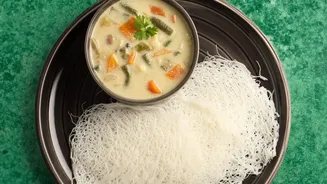
Nowhere is the bond with coconut more intense than in Kerala, a state whose very name is believed to be derived from 'Kera', the Malayalam word for coconut tree. Here, coconut isn't just an addition; it's the foundation. Coconut oil is the primary cooking fat, infusing dishes with its distinct aroma. Grated coconut is essential for 'thoran' (stir-fried vegetables), while thick, luscious coconut milk forms the creamy base for iconic dishes like Avial (a mixed vegetable stew) and Fish Molee. Even breakfast staples like Puttu, a steamed cylinder of rice flour, are layered with generous amounts of grated coconut. The versatility extends to snacks like Ela Ada, where a sweet filling of coconut and jaggery is steamed inside a banana leaf.
Tamil Nadu: The Art of Balance
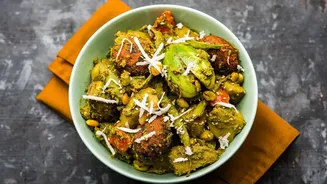
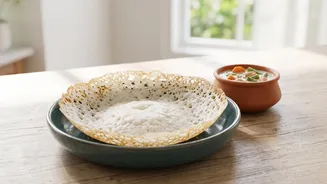
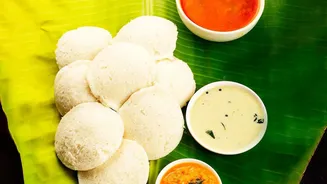
In neighbouring Tamil Nadu, coconut plays a slightly different but equally vital role. While coconut milk appears in kurmas and stews, the state's cuisine is renowned for its use of freshly grated coconut, often ground into pastes and chutneys. The classic coconut chutney, a perfect partner for idli and dosa, is a simple blend of coconut, chillies, and spices. Grated coconut is also used as a final garnish on 'poriyal' (sautéed vegetables), adding a touch of sweetness and texture. Dishes like Thengai Sadam, or coconut rice, celebrate the ingredient in its purest form, tempered with mustard seeds, lentils, and curry leaves.
Karnataka: A Sweet and Savoury Affair
Karnataka's cuisine showcases a unique interplay of coconut with both sweet and savoury flavours. Here, coconut is often ground with a complex blend of spices to form the base for gravies like 'saagu', a popular vegetable curry served with set dosa. The famous Darshini-style coconut chutney is typically thinner and smoother, designed for dipping. But it is in sweets that Karnataka's love for coconut truly shines. Kayi Holige or Puran Poli, a sweet flatbread, features a delicious stuffing of fresh coconut and jaggery. Kobbari Mithai, or coconut burfi, is another beloved traditional sweet made with fresh coconut, sugar, and milk.
Andhra and Telangana: Taming the Fire
Known for some of the spiciest food in India, the Telugu-speaking states of Andhra Pradesh and Telangana use coconut strategically. Here, its natural sweetness and fatty richness serve to balance and mellow the intense heat of Guntur chillies. While not as ubiquitous as in Kerala, coconut is a key component in many coastal Andhra dishes, particularly in seafood gravies and certain curries like the Senaga Pappu Kobbari Curry (a Bengal gram and coconut curry). It is also ground into pastes for stuffed vegetable dishes and is a star player in many chutneys, providing a cooling counterpoint to a fiery meal.