




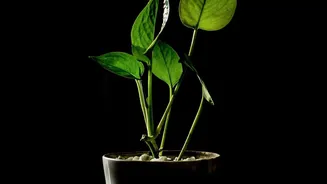
The Problem of the Lopsided Plant
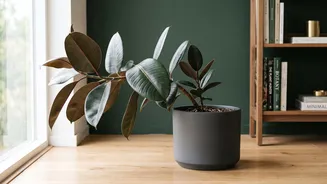
You picked the perfect spot with great light, you water it diligently, yet your beautiful houseplant is starting to look a little… unbalanced. One side is lush and full, while the other looks sparse, and the entire plant seems to be straining towards
the window. This isn't just an aesthetic issue; a plant that grows too much in one direction can develop a weak, 'leggy' structure. This uneven growth is a direct result of the plant's powerful, innate drive to find and absorb as much light as possible. It's a survival instinct, but in the static environment of a pot, it leads to a lopsided shape that can compromise the plant's long-term health and stability. If left uncorrected for too long, a severe lean can be difficult to fix, sometimes requiring stakes to support the plant.
The Solution: A Simple Quarter-Turn
The good news is that the fix is incredibly simple and takes just a few seconds. The most recommended method is to give your plant a quarter-turn regularly. A common and easy-to-remember routine is to rotate the pot by 90 degrees every time you water it. This small, consistent change ensures that all sides of the plant get their turn facing the primary light source. Over time, this practice encourages the plant to grow more symmetrically, resulting in a stronger, straighter stem and a fuller, more balanced appearance. While a weekly or bi-weekly turn is effective, linking the habit to your watering schedule makes it almost effortless to maintain. For plants with a dramatic lean, a sudden 180-degree turn can cause some stress; a more gradual correction with several quarter-turns is often gentler.
Why It Works: The Science of Phototropism
This trick works because it leverages a natural process called phototropism. Broken down, 'photo' means light and 'tropism' means turning, so it literally translates to 'turning toward light'. This is a plant's directional growth response to a light source. Shoots and leaves exhibit positive phototropism, growing toward light to maximize their exposure for photosynthesis—the process of converting light into energy. Roots, on the other hand, often show negative phototropism, growing away from light. This entire process is orchestrated by a powerful plant hormone called auxin.
How a Hormone Steers the Plant
Auxin is produced at the tips of the stems and is sensitive to light. When light shines on a plant from one direction, the auxin moves away from the light and accumulates on the shaded side of the stem. This higher concentration of auxin on the shaded side stimulates the cells there to elongate and grow faster than the cells on the sunny side. This differential growth—where the shady side grows faster than the bright side—is what causes the stem to physically bend and grow toward the light source. By rotating your plant, you consistently change which side is in the shade, preventing auxin from building up in one area for too long and thereby promoting even, upright growth.
More Than Just Good Looks
Achieving symmetrical growth isn't just for show. A well-balanced plant is a healthier plant. When all sides of the plant receive adequate light, they can photosynthesize more effectively, leading to more robust overall energy production. This contributes to a stronger central stem and a more resilient structure, making the plant less prone to weakness or damage. Furthermore, regular rotation improves air circulation around the entire plant, which can help reduce the risk of pests and fungal diseases that thrive in stagnant conditions. The simple act of turning your plant also gives you a regular opportunity to inspect its leaves for pests, dust, or any signs of distress, allowing you to catch potential problems early.