






Defining the 'Destination Dupe'
The term 'dupe,' short for duplicate, comes from the beauty and fashion worlds, where it describes a more affordable product that mimics a high-end one. In travel, a destination dupe is a lesser-known place that offers a similar vibe, landscape, or experience
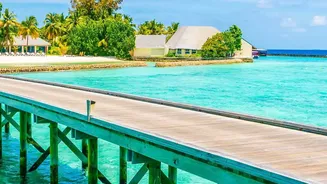
to a world-famous hotspot. Think swapping the often-overwhelmed beaches of Santorini for the quieter, equally beautiful Cycladic charm of Paros. It's not about finding an exact copy, but about capturing the essence of a desired holiday—be it a romantic city break, a scenic coastal drive, or a culinary adventure—without the downsides of a globally recognized name. This trend, popularized on social media platforms like TikTok, has been embraced by major travel companies, signaling a significant shift in how people plan their trips.
The Squeeze of High Costs
One of the most powerful forces pushing travelers toward alternatives is simple economics. In recent years, soaring airfares and accommodation costs have made trips to iconic cities increasingly expensive. Many travelers, particularly younger generations like Gen Z and Millennials, still consider travel a non-negotiable expense but are more budget-conscious than ever. They are actively looking for ways to make their money go further. Destination alternatives offer a straightforward solution: a chance to have a rich travel experience at a fraction of the cost. By opting for a second city or a less-hyped region, travelers can often enjoy lower prices on everything from hotels to local food, allowing for a longer, more indulgent, or simply more affordable trip.
The Problem of Loving Places Too Much
The travel boom has a significant downside: overtourism. This happens when a destination is overwhelmed by visitors, leading to strained infrastructure, environmental damage, and a lower quality of life for residents. Cities like Venice, Barcelona, and Amsterdam have become poster children for this issue, with crowded streets, long queues, and inflated prices diminishing the visitor experience. Some destinations have even introduced tourist taxes to manage the influx. In response, many travelers are now deliberately choosing to go elsewhere. For them, avoiding the crowds isn't just about convenience; it's a conscious decision to have a more pleasant and less stressful holiday, while also reducing their own impact.
A Search for Authenticity
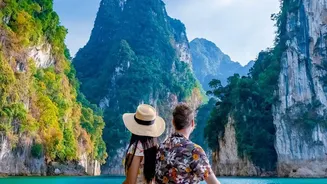
Beyond budget and crowds, there's a deeper cultural shift at play. Modern travelers, especially younger ones, are increasingly prioritizing unique and authentic experiences over simply ticking off a list of famous landmarks. Many feel that over-commercialized hotspots can feel impersonal and predictable. They are looking for more meaningful connections with local communities and a chance to discover something unexpected. Surveys show that a majority of Millennial and Gen Z travelers are interested in hands-on activities, like local workshops, and would do something unusual just for the story. Lesser-known destinations are perfectly positioned to offer this, providing a more intimate and genuine glimpse into a different way of life, away from the tourist-centric bubble of a major hub.
The Evolving Role of Social Media
While social media is often blamed for creating overtourism by popularizing certain 'Instagrammable' spots, it also plays a key role in the rise of alternatives. The same platforms that can turn a quiet town into a major hotspot overnight can also be used to uncover hidden gems. Influencers and everyday travelers sharing their discoveries from off-the-beaten-path locations inspire others to broaden their horizons. Furthermore, the trend of 'set-jetting'—traveling to locations from TV shows and movies—can suddenly spotlight previously overlooked areas. This dual influence means that while one destination becomes saturated, dozens of others are being introduced to a global audience for the first time, feeding the cycle of discovery and dispersal.