





The Price Tag of a Lost Minute
The most frequently cited figure for the cost of parliamentary disruptions is staggering: approximately ₹2.5 lakh for every minute lost. This number, though based on an estimate from over a decade ago, remains the primary reference point for calculating
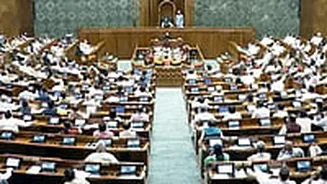
the financial toll. It translates to about ₹1.5 crore per hour and can amount to ₹9 crore for a typical six-hour sitting day when both the Lok Sabha and Rajya Sabha are in session. Even a brief adjournment of minutes results in a substantial loss of taxpayer money. During recent sessions, hours of scheduled time have been washed away, leading to cumulative losses estimated to be in the tens or even hundreds of crores.
How Is This Cost Calculated?
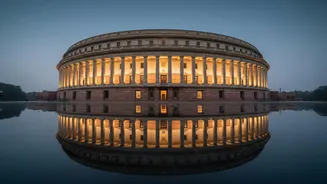
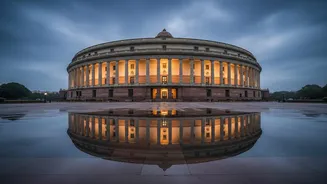
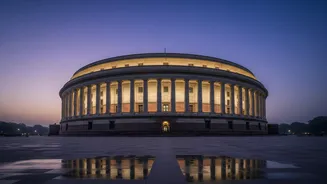
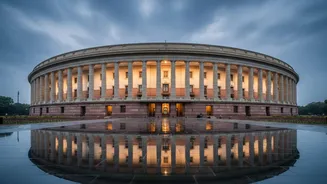
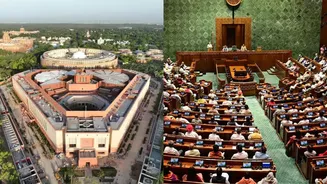
This figure is not arbitrary. It is derived from the total annual budgetary allocation for running Parliament. The calculation includes a wide array of expenses that are incurred whether the Houses function or not. These costs encompass the salaries and daily allowances for Members of Parliament, as well as for the large number of parliamentary staff and security personnel. Furthermore, it covers the significant operational expenses of maintaining the Parliament complex, including electricity, water, and round-the-clock upkeep of a high-tech building. Essentially, taxpayers pay for every scheduled minute, and when that minute is lost to protests, the investment yields no legislative return.
The Deeper Legislative Cost
The financial loss, while significant, is only one part of the story. The more profound cost is the loss of legislative productivity. Parliament's primary role is to make laws and hold the government accountable. Disruptions eat away at the limited time available for these crucial functions. Important bills, sometimes with far-reaching consequences for the economy and society, get stalled or are passed with minimal debate. For instance, research from PRS Legislative Research has shown that in some sessions, a significant percentage of bills are passed with less than an hour of discussion. This lack of scrutiny can lead to poorly drafted laws that may create implementation challenges or require future amendments.
Undermining Accountability and Debate
Crucial parliamentary devices designed to ensure government accountability are often the first casualties of disruption. Question Hour, where MPs can directly question ministers and demand answers on policy and governance matters, is frequently washed out. This denies elected representatives a vital platform to raise issues of public importance on behalf of their constituents. Similarly, time allocated for debates on national issues, Calling Attention motions, and other discussions gets consumed by pandemonium. Over time, the decline in the number of sitting days and the low productivity during those sittings weakens Parliament's role as a forum for deliberation, turning it into a venue for political spectacle instead of substantive work.
Why Does This Keep Happening?
While frustrating for observers, disruptions are often employed as a deliberate political strategy by opposition parties. Lacking the numbers to defeat the government in a vote, opposition members may resort to stalling proceedings to draw national attention to a specific issue or to protest against government actions they deem unacceptable. They argue that it is a tool to force a debate or response from a reluctant government. However, this practice has become increasingly routine, leading to a steady decline in the overall productivity and functioning of India's highest legislative body. This has prompted calls for reforms, such as mandating a minimum number of sitting days per year and imposing penalties for causing disruptions.