



An Ice Island is Born
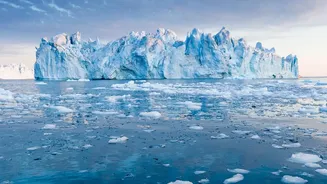
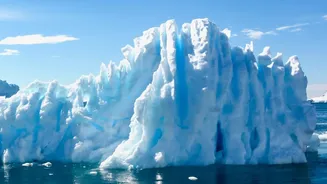
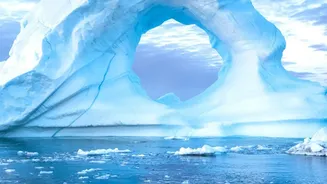
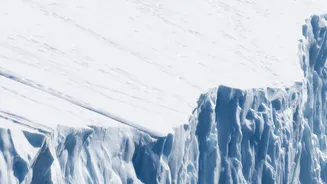
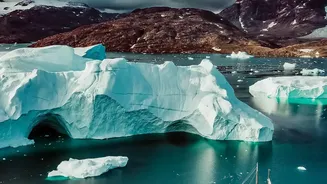
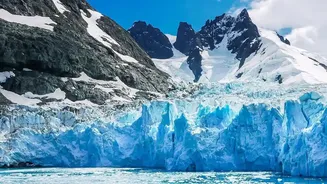
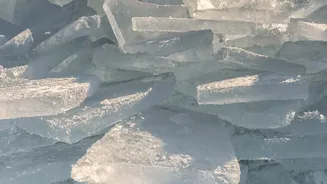
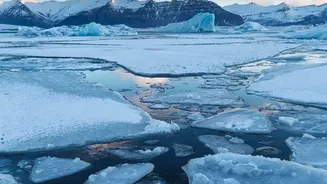
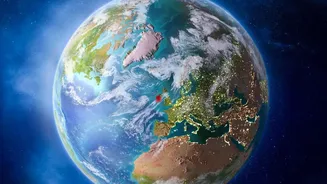
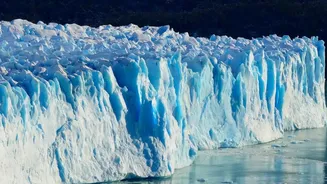
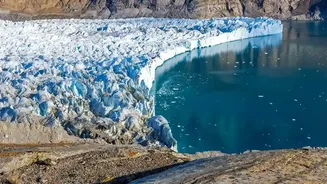
On August 4, 2026, satellite imagery confirmed what scientists had been anticipating for years: a massive 76-square-kilometre section of Petermann Glacier's floating ice tongue had calved, or broken off, into the ocean. This new 'ice island,' estimated
to be up to 150 meters thick, represents the glacier's most significant loss of ice since 2012 and the largest single calving event anywhere in the Arctic since 2020. Researchers, using data from the European Space Agency's Copernicus Sentinel-1 mission, had been watching the progression of rifts and cracks across the ice, knowing a major break was inevitable. The event was not a surprise, but its final, dramatic arrival is a powerful symbol of an ecosystem under immense strain.
Why Petermann Glacier Matters
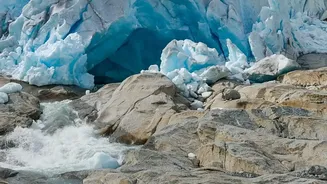
Petermann is not just any glacier. It is one of the largest and most significant in Greenland, featuring one of the few remaining major floating ice tongues. These tongues act like a cork in a bottle, providing a natural buttressing effect that slows the flow of the vast inland ice sheet behind them as it inches towards the sea. Petermann alone drains about four percent of the entire Greenland ice sheet, an enormous reservoir of frozen freshwater. Its stability is therefore a critical indicator for scientists monitoring the health of the Arctic. When large pieces of this protective tongue break away, it can allow the land-based glacier to accelerate its march to the ocean, which has profound implications for the rest of the world.
The Fingerprints of a Warming Climate
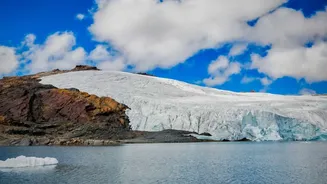
While glacier calving is a natural process, the frequency and scale of these events are increasingly influenced by climate change. The Arctic is warming at a rate faster than almost anywhere else on Earth. This has led to both warmer air temperatures melting the glacier's surface and, more critically, warmer ocean waters melting it from below. This sub-surface melting weakens the floating ice tongue, making it more susceptible to breaking apart. This recent event follows a pattern of major breaks at Petermann, with significant calving events also recorded in 2008, 2010, and 2012. Scientists have already identified two other large sections with developing rifts that are expected to break off in the near future, potentially removing another 22% of the remaining ice tongue.
From Greenland's Fjords to Global Shores
The fate of a glacier thousands of kilometres away might seem abstract, but its consequences are global and tangible. While the melting of an already-floating iceberg does not immediately raise ocean levels, the accelerated flow of land-based ice it enables does. This is the crucial connection: as the Petermann Glacier speeds up without its buttressing tongue, it will dump more of its ice into the sea, directly contributing to global sea-level rise. For a nation like India, with over 7,500 kilometres of coastline and densely populated coastal cities like Mumbai, Kolkata, and Chennai, the threat of rising seas is not a distant problem. The melting of the entire Greenland ice sheet holds enough water to raise global sea levels by over 7 metres. Events like the Petermann calving are a critical reminder of how interconnected our planet’s systems are.