



Meet Pandora: Small Satellite, Big Job
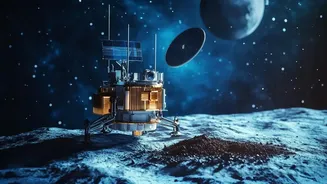
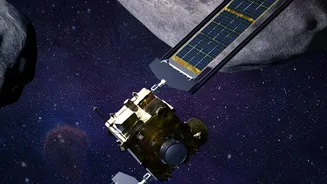
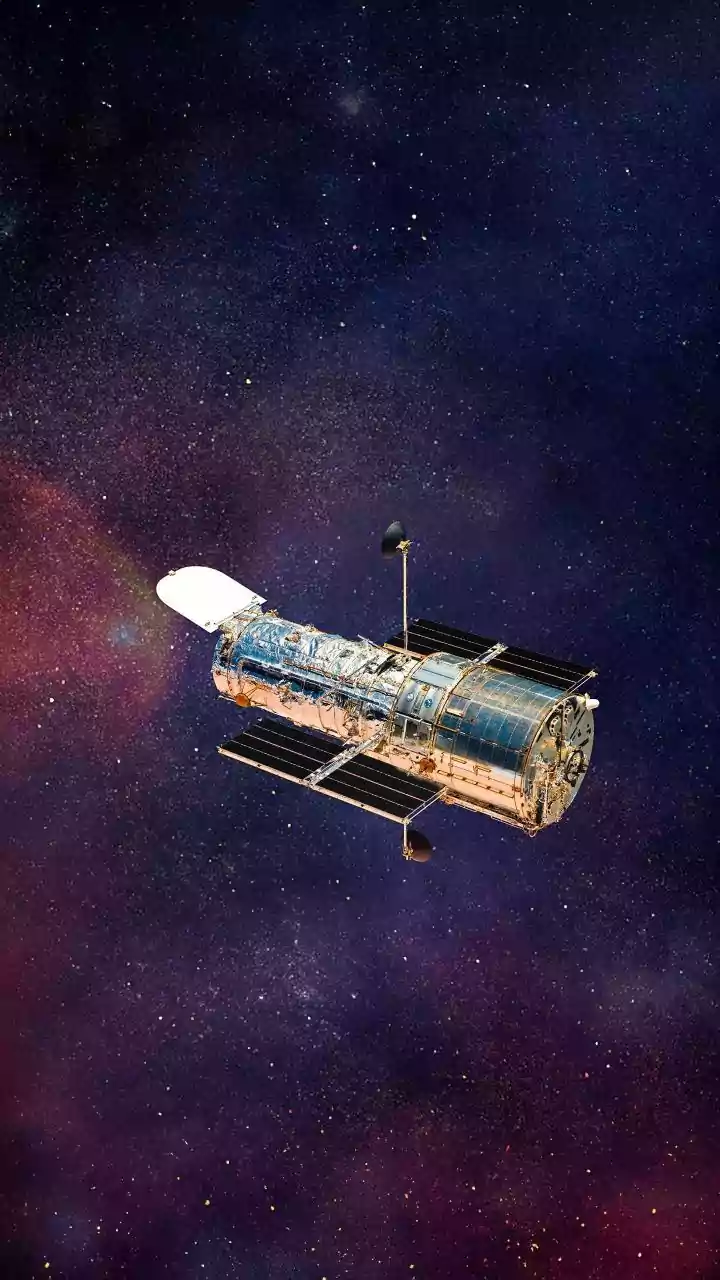
Pandora isn't a giant like the James Webb Space Telescope (JWST). It's a SmallSat, the first mission in NASA's cost-effective Astrophysics Pioneers program, which launched in January 2026. Its size is a feature, not a limitation. While giants like Webb are
in high demand for a vast range of cosmic questions, Pandora has one highly specific job: to solve the problem of 'stellar contamination' and get a cleaner look at the atmospheres of at least 20 known exoplanets. The mission is a collaboration led by NASA's Goddard Space Flight Center, with key partners like Lawrence Livermore National Laboratory and the University of Arizona.
The Dazzling Problem of Starlight
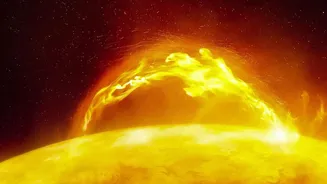
Studying an exoplanet’s atmosphere is a delicate art. Scientists use the 'transit method,' watching for the tiny dip in a star’s light as a planet passes in front of it. As that light filters through the planet's atmosphere, chemical elements like water or methane absorb specific colours, leaving a barcode-like signature that telescopes can read. The problem is that stars themselves aren't perfect, uniform lightbulbs. They have their own features, like massive, dark 'starspots' (similar to our sun's sunspots), which rotate in and out of view. This stellar activity can create false signals in the light data that either mimic or mask the signature from the planet's atmosphere, making it incredibly difficult for scientists to be sure of what they are seeing.
A Clever Two-Pronged Solution
This is where Pandora's genius lies. The satellite is designed to stare at a star system for long periods and attack the problem from two angles simultaneously. It has two main instruments: a visible light camera (photometer) and a near-infrared spectrometer. The visible light camera watches the host star, tracking the changes in brightness caused by starspots. At the exact same time, the infrared spectrometer measures the light filtering through the planet's atmosphere during a transit. By comparing the data from both instruments, scientists can create a model of the star's activity and digitally subtract its 'noise' from the planetary signal. This disentangles the two, leaving a much cleaner and more reliable reading of the exoplanet's atmosphere.
First Science and a Clearer Future
After launching on January 11, 2026, and completing seven months of system checks, Pandora officially began its science mission in late August 2026. NASA has confirmed the spacecraft is healthy and its instruments are performing exactly as hoped. The goal for its year-long primary mission is to observe at least 20 exoplanets, ranging in size from Earth-like to Jupiter-sized, and gather data on their atmospheres. It will determine the presence of water, clouds, and hazes with a new level of confidence. This work is crucial for supporting missions like JWST. Pandora can identify the most promising targets for Webb to study in greater detail and provide the corrective data needed to make Webb's own findings more robust.