






Beyond the Olympic Stage
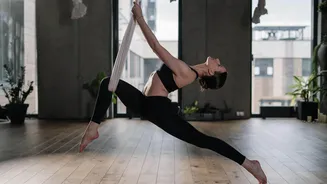
When you hear "rhythmic gymnastics," you might picture elite athletes performing seemingly impossible feats of flexibility and coordination. While that is the pinnacle of the sport, its core principles are accessible to many. At its heart, rhythmic gymnastics is a form of expression
that combines elements of dance and gymnastics with apparatus like a ribbon, hoop, ball, or clubs. This blend makes it less about pure athletic competition and more about finding a creative, physical outlet, which is why it is increasingly being recognised for its wellness benefits. For adults seeking a new form of activity, the focus shifts from competition to personal growth, enjoyment, and the unique mental calm the discipline provides.
Finding Focus in the Flow
One of the most powerful aspects of rhythmic gymnastics for stress relief is its ability to induce a "flow state." This is a psychological concept where a person becomes fully immersed and absorbed in an activity, losing track of time and silencing internal chatter. The intense concentration required to manipulate a ribbon or balance a ball, all while moving your body in time with music, demands your full attention. This cognitive engagement effectively crowds out anxious thoughts and daily worries. By focusing entirely on the present moment—the feel of the apparatus, the sound of the music, the next movement—the mind is given a structured break from the relentless cycle of stress, calming the nervous system.
The Rhythmic Anchor of Music
Music is not just background noise in rhythmic gymnastics; it is a fundamental component that guides movement and emotion. The rhythm provides an external cue that helps synchronize the body and mind, promoting more fluid and coordinated movements. This synchronization can be profoundly soothing, helping to regulate breathing and lower cortisol, the body's primary stress hormone. The act of moving to music stimulates the release of endorphins and serotonin, the brain's natural mood-boosters. This creates a powerful combination where the physical activity combats stress hormones while the music provides an emotional and joyful release, making the experience therapeutic.
An Apparatus for Expression
The various pieces of equipment used in rhythmic gymnastics are not just props; they are tools for self-expression. Working with a flowing ribbon can feel graceful and liberating, while controlling a ball requires precision and focus. Each apparatus offers a different physical and creative challenge, allowing individuals to express emotions that may be difficult to put into words. This form of non-verbal expression can be incredibly cathartic. Mastering new skills with an apparatus builds confidence and self-esteem, which are often eroded by chronic stress. The sense of accomplishment that comes from creating beautiful patterns with a ribbon or executing a smooth sequence with a hoop reinforces a positive self-image.
A Path to Mind-Body Connection
Ultimately, rhythmic gymnastics offers a holistic approach to well-being. It heightens body awareness, emphasizing posture and alignment that can translate into daily life. The discipline required to learn routines instills focus, while the creative aspect nurtures artistry. It fosters a deep connection between mind and body, a relationship that is often fractured by modern stressors. Engaging in this rhythmic movement helps to rebalance the nervous system, reduce muscle tension, and improve mental clarity. Whether you are a complete beginner or someone returning to movement, the practice offers a unique and beautiful way to manage stress by getting lost in the rhythm and motion.