



Anatomy of the Deal
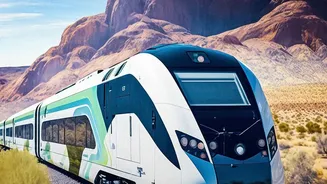
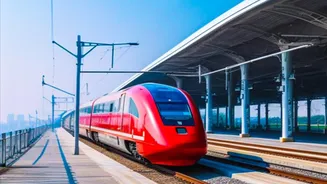
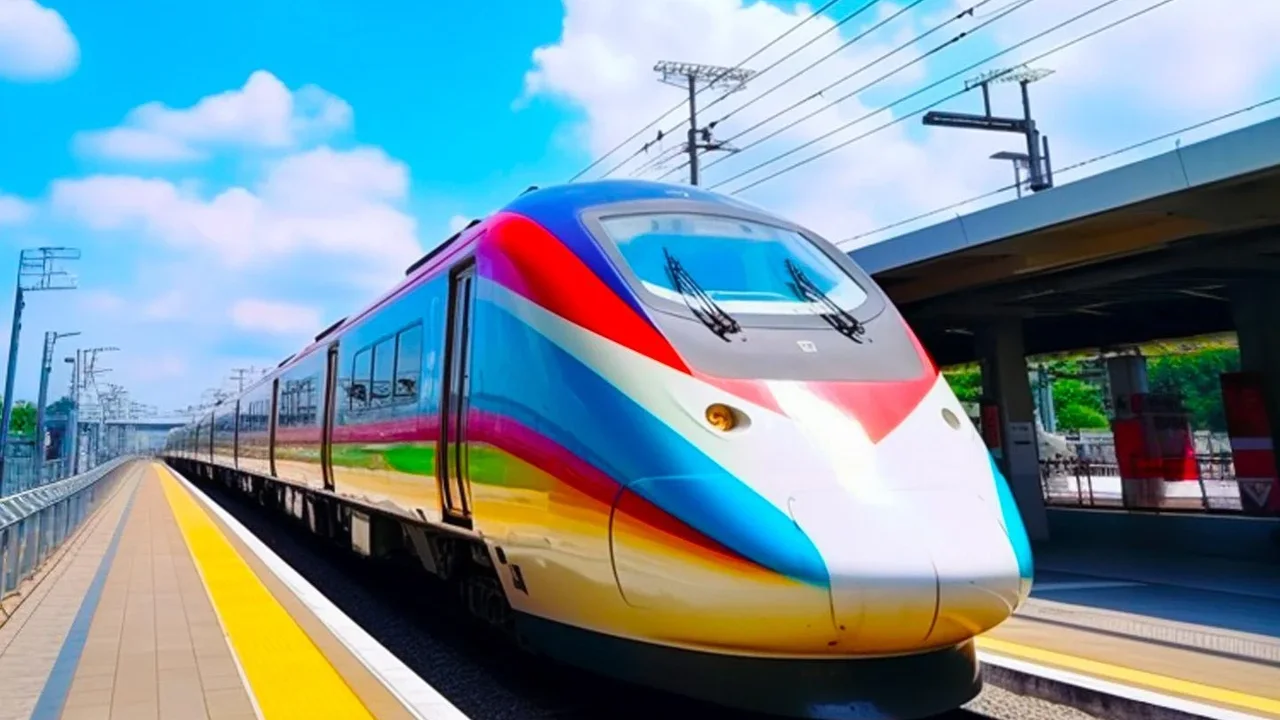
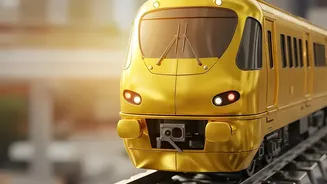
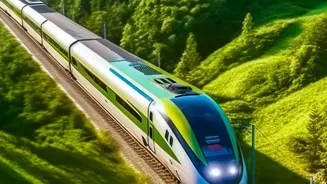
For the first time in the history of Indian Railways, a passenger train will officially carry the name of a commercial brand. The train in question is the premium, high-speed Tejas Express running between Lucknow and New Delhi (Train Nos. 82501/82502).
Through a deal with the Indian Railway Catering and Tourism Corporation (IRCTC), which operates the service, beverage giant Coca-Cola has secured branding rights for its Sprite brand. This means that for a limited period, the train will be formally known as the 'Sprite' Tejas Express. The agreement goes beyond simple advertising; it includes having the new name used in public address announcements at all originating, en-route, and terminating stations. Additionally, the branding will be visible through vinyl wraps on the exteriors of several coaches, turning the train into a moving billboard.
A Strategic 85-Day Window
The headline-making part of the deal is its specific and relatively short duration. The train will be announced as the 'Sprite' Tejas Express from August 19, 2026, to November 11, 2026. This 85-day period suggests the initiative is a pilot program, a trial run to test the viability and public reception of such a branding exercise. While some reports mention the broader advertising rights were awarded for six months, the official naming component is confined to this distinct window. This timeframe allows both IRCTC and the partner brand to gather data and assess the impact of the campaign without committing to a long-term change. It also covers a period that often includes festive seasons, a peak time for travel and consumer marketing, maximising the brand's visibility and the railway's potential revenue data.
Beyond the Fare Box
This deal is a clear signal of Indian Railways' concerted push to increase its non-fare revenue. Non-fare revenue refers to income generated from sources other than ticket sales and freight, such as advertising, land leasing, and station redevelopment. Globally, major railway systems in countries like Germany and Japan generate between 10% and 30% of their total income from such sources. In contrast, Indian Railways has historically earned less than 5% of its revenue from non-fare streams, making it a massive, untapped opportunity. By allowing a premium train like the Tejas to be co-branded, IRCTC is experimenting with a new, high-value advertising asset. If successful, this model could be replicated across other premium services like the Vande Bharat Express, creating a significant new income stream to help fund modernization and improve services without directly raising passenger fares.
Is This Privatisation?
A key question arising from this development is whether it represents a step towards the privatisation of Indian Railways. According to officials, the answer is a clear no. The Tejas Express naming deal is a commercial branding arrangement, not a transfer of ownership or operational control. Indian Railways continues to own all the core infrastructure, including the tracks, stations, and signalling systems. IRCTC, a public-sector undertaking, operates the train service and pays haulage charges to Indian Railways for using its network. This new deal simply adds another commercial layer on top of the existing structure. Sprite or its parent company will not be involved in running the train, setting schedules, or managing passenger services. It is purely an advertising partnership designed to monetise the visibility and prestige of a popular train route.
What It Means for Passengers
For the daily commuter and traveller, very little will change on a practical level. The train's schedule, amenities, onboard services, and ticket prices will remain unaffected by the branding deal. The Tejas Express was chosen for this pilot partly because it is already positioned as a premium, corporate-run service with a reputation for high standards, including modern coaches and onboard catering. The primary impact on passengers will be seeing and hearing the 'Sprite' brand associated with their journey, from station announcements to the train's exterior. The success of this experiment will likely be measured by its ability to generate revenue without negatively impacting the passenger experience. If the public response is positive or neutral, it could pave the way for more such creative commercial partnerships in the future.