







A New Roadmap for a Global Icon
Kaziranga National Park, a UNESCO World Heritage Site, is already a massive success story in conservation and tourism. The park has seen a phenomenal rise in visitors, with tourist footfall increasing nearly fourfold over the last decade. Building on this
momentum, the Assam government has initiated a plan to reshape the park's future. In mid-2026, Forest Minister Jayanta Malla Baruah began consultations with local stakeholders—including jeep safari operators, hotel owners, and community leaders—to create a comprehensive roadmap. The goal is to integrate conservation, tourism, and local livelihoods into a cohesive strategy that enhances Kaziranga's global standing while ensuring its ecological integrity remains the top priority.
What is Community-Led Tourism?
The core of the new strategy lies in moving beyond traditional wildlife viewing. Community-led tourism invites visitors to experience the culture and life of the people who coexist with Kaziranga's incredible biodiversity. This includes staying in eco-homestays run by local families, particularly women, where guests can learn about traditional cooking and farming. It also means creating new attractions managed by the community, such as guided treks on routes like Hemtap Hill, exploring local orchid parks, and purchasing authentic handicrafts from eco-shops. The idea is to transform tourists from passive observers into active participants in the local culture and economy, creating a more meaningful and immersive travel experience.
Empowering the Guardians of the Forest
For generations, communities like the Karbi and Mishing have lived on the fringes of Kaziranga, holding deep cultural connections to the land and its wildlife. The shift towards community-led tourism is a deliberate effort to make these communities direct beneficiaries of the park's economic success. By running homestays, serving as guides, and selling local products, residents gain a sustainable livelihood that is directly linked to the health of the ecosystem. This creates a powerful incentive for conservation, turning local people into the most dedicated stewards of the park. Reports show that such initiatives are already bearing fruit, with women-led enterprises and homestays generating significant income and empowering rural families.
More Than Just Rhinos and Tigers
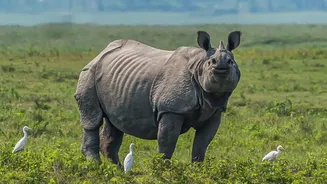
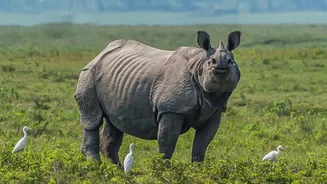
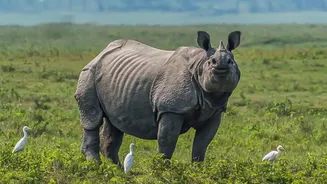
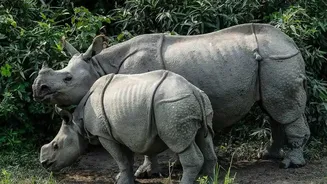
While the one-horned rhinoceros remains Kaziranga's star attraction, this new approach aims to showcase the region's broader appeal. The government is actively promoting activities that extend beyond the park's core safari zones. This includes boat safaris to spot Gangetic dolphins, exploring nearby tea gardens, and even developing niche experiences like astro-tourism, where local youths are trained as guides for stargazing. By diversifying the offerings, Assam hopes to encourage visitors to stay longer, reduce the pressure on the park's most sensitive areas, and provide year-round income for locals, especially during the monsoon off-season when the park is partially closed.
Balancing Growth with Conservation
This ambitious plan is not without its challenges. The primary concern is managing the rapid growth of tourism without harming the very ecosystem that draws visitors. Unregulated construction, habitat fragmentation, and human-wildlife conflict are persistent threats that require careful planning and strict enforcement of eco-friendly practices. Officials have stressed that while increasing tourism revenue is a goal, it will not come at the cost of the park's health. The roadmap aims to find a delicate balance, improving infrastructure and hospitality to meet rising demand while ensuring that all development is sustainable and contributes directly to conservation efforts.