




A stark new report from Oxfam places the world's wealthiest individuals at the epicentre of the climate crisis, revealing a profound and growing disparity in carbon emissions that has life-or-death consequences for the planet's poorest.
The Carbon Elite's Staggering Footprint
The central finding
of Oxfam's latest analysis is a dramatic illustration of carbon inequality. The world's richest 0.1%, a group of just 8 million people, generate more carbon pollution than the poorest 3.5 billion people combined. This tiny fraction of the global population is responsible for carbon emissions so vast that they produce over three times more pollution than the entire population of Sub-Saharan Africa, which is home to 1.3 billion people. According to the report, a single person in this elite group has contributed nearly 400 times more to today's extreme heatwaves than someone in the poorest half of humanity. This isn't just a matter of degree; it's a completely different scale of impact, highlighting that the climate crisis is not, as Oxfam International's Executive Director Amitabh Behar states, 'a shared human challenge'.
More Than Just Lifestyles
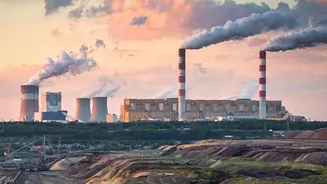
While carbon-intensive luxuries like private jets, superyachts, and multiple homes are part of the picture, the report emphasizes that the largest share of emissions from the ultra-rich comes from their investments. A significant portion of billionaire wealth is tied up in high-emitting sectors like oil, gas, and chemicals. This financial backing of the fossil fuel industry effectively fuels the climate crisis at its source. For instance, the investments of the world's 1,000 wealthiest billionaires in 2025 produced carbon emissions equivalent to what would be the 19th largest emitting country in the world. This shifts the focus from purely personal consumption to the systemic role that concentrated wealth plays in perpetuating a carbon-based economy, often through a portfolio of polluting assets.
A Vicious Cycle of Profit
Oxfam's critique goes a step further, accusing the super-rich of profiting from both ends of the crisis. They benefit from investments in the polluting industries causing climate change, and then again by investing in the booming 'adaptation economy'. This includes disaster preparedness, recovery, and reconstruction services, a market projected to grow significantly as climate events become more frequent and severe. This creates what the report calls a 'Destroy & Rebuild' index, where the same investors backing fossil fuels also profit from the clean-up. This dynamic creates a disturbing incentive to delay or disrupt meaningful climate action, as the consequences of climate breakdown become a lucrative business model for a select few, while those least responsible for the emissions are left to pay for recovery.
The Human Cost of Carbon Inequality
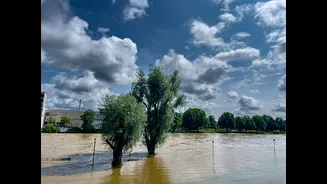
The report draws a direct line from the emissions of the wealthy to catastrophic impacts on the world's most vulnerable. Oxfam estimates that just one year of emissions from the richest 1% will cause an estimated 1.9 million excess deaths related to heat in the future. An overwhelming 78% of these deaths are projected to occur in low- and lower-middle-income countries, which are responsible for only a tiny fraction of global emissions. While the wealthy can afford to insulate themselves from climate disasters—through private insurance, high_tech bunkers, or relocating—billions of others face the brunt of floods, fires, and famine without the resources to recover. This deepens global inequality, as communities that did the least to cause the problem lose their homes, crops, and lives.
What Oxfam Says Must Be Done
In response to its findings, Oxfam is calling for bold government action ahead of any upcoming COP31 climate summit. The central recommendation is to make rich polluters pay. The organization advocates for permanent wealth and income taxes, a permanent tax on fossil fuel corporations, and punitive taxes on high‐emitting luxury items like private jets. The revenue generated from these taxes would be used to curb emissions and substantially increase climate finance for the Global South, prioritising grants over loans that can deepen debt for developing nations. The report argues that tackling the climate crisis is impossible without simultaneously curbing excessive wealth and corporate power, making climate justice and equality the foundation of all future climate action.