






A Shift in the Narrative
Protein is no longer just for those looking to build massive muscle. Recent content and product launches in the Indian market show a clear trend: protein is being framed as a crucial component of daily nutrition for everyone. The new focus is on the everyday
person—the office worker juggling deadlines, the parent managing a household, or the student needing sustained energy. The message is shifting from intense, post-workout rituals to practical, convenient ways to ensure you’re getting enough of this vital nutrient throughout your busy day. This change acknowledges that for most people, the challenge isn't about athletic performance but about maintaining health and energy amidst a demanding schedule.
Why Your Body Prefers a Steady Supply
To understand why consistent intake matters, it helps to know how the body uses protein. Unlike carbohydrates and fats, your body doesn't have a storage tank for protein to draw from when needed. Instead, it's in a constant state of using protein for repair and maintenance. Think of it as an ongoing construction project. Protein provides the essential building blocks, called amino acids, for everything from repairing muscle tissue and maintaining the gut lining to keeping your hair and skin healthy. When you eat protein, these building blocks become available. Spreading your intake across breakfast, lunch, and dinner ensures a steady supply is available right when your body needs it, rather than delivering one massive surplus that it can't efficiently use all at once.
The Daily Protein Deficit
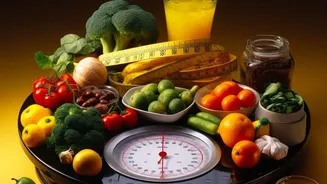
For a nutrient so important, a surprising number of people don't get enough. National surveys have indicated that a significant portion of the Indian population may be protein-deficient, often due to diets dominated by carbohydrates. The signs of inadequate protein intake can be subtle. You might feel persistent fatigue, notice slower recovery after physical activity, experience hair thinning, or find yourself getting sick more often because protein is crucial for a strong immune system. The goal isn't to start tracking every single gram, but to become more mindful of including a quality protein source in every meal to bridge this common nutritional gap.
Finding Protein on an Indian Plate
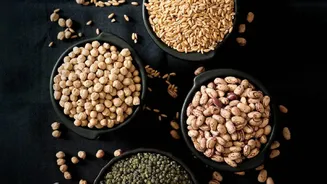
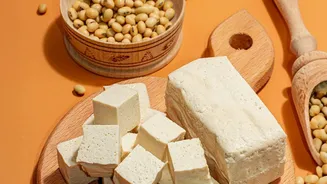
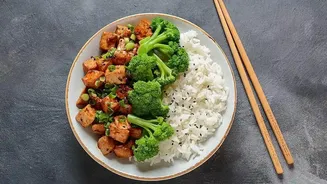
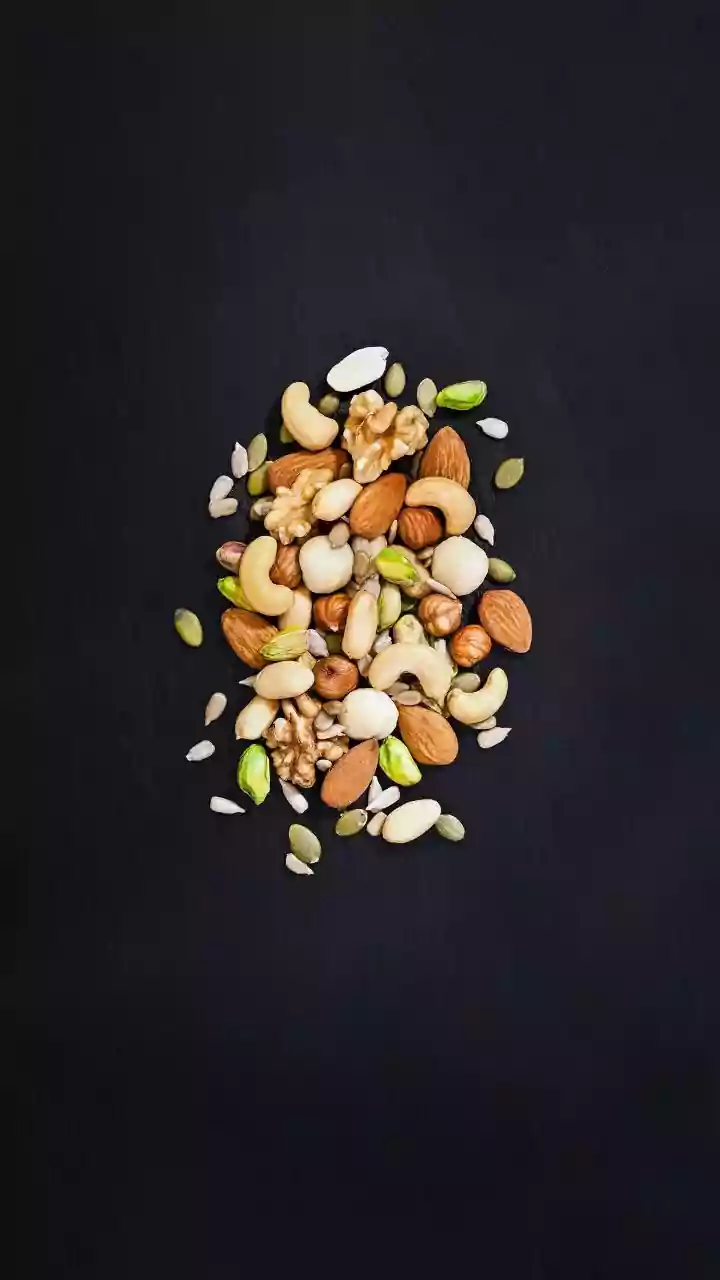
The good news is that you don't need expensive supplements or imported foods. The Indian kitchen is already a powerhouse of protein if you know where to look. For vegetarians, options are abundant. Lentils (dal), chickpeas (chana), and kidney beans (rajma) are staples for a reason. Paneer, tofu, and Greek yogurt (hung curd) are excellent, versatile sources that can be added to curries, salads, or eaten as snacks. For non-vegetarians, eggs are a complete protein source perfect for any meal, while lean chicken and fish offer high-quality protein for lunch or dinner. Even nuts, seeds, and whole grains like quinoa contribute to your daily total.
Simple Habits for Consistent Intake
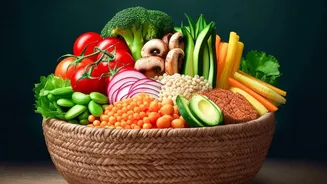
Integrating more protein doesn't require a complete diet overhaul. It's about small, consistent adjustments. Start your day with a protein-rich breakfast, like eggs, a paneer bhurji, or a smoothie with yogurt, to curb mid-morning cravings. Ensure your lunch and dinner include a generous serving of dal, a side of chickpeas, or a piece of grilled chicken or fish. Snacks can also be a great opportunity to add protein; consider a handful of roasted chana, some nuts, or a small bowl of curd. The goal is to move away from the typical pattern of a low-protein breakfast and lunch followed by a very heavy, protein-loaded dinner. A more balanced distribution is far more effective for your body.