






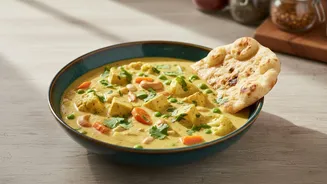

What is Assisted Cooking?
Forget the sci-fi image of a robot chef slicing onions. Assisted cooking, as it’s materialising in 2026, is a more subtle but powerful partnership between you and your kitchen. It’s an ecosystem where smart appliances, artificial intelligence, and guided
interfaces work together to take the stress and guesswork out of cooking. Think of an oven that not only preheats but also identifies the food you’ve placed inside, suggesting the perfect cooking mode and time. Imagine a countertop device that provides step-by-step instructions for a complex curry, automatically controlling temperature and stirring, leaving you free to manage other tasks. This isn't about replacing the cook; it's about giving them a powerful assistant.
Your Personal Kitchen Sous-Chef
The primary appeal of assisted cooking is undeniable convenience. For busy professionals and time-strapped families, the mental load of planning and executing meals is significant. Assisted cooking technology steps in as a sous-chef, handling the tedious parts of the process. AI-driven platforms can suggest recipes based on the ingredients you have, helping reduce food waste. Smart cooktops can automatically adjust heat for perfect searing or simmering, preventing burnt dishes and undercooked food. Some all-in-one devices can weigh, chop, sauté, and steam, consolidating multiple messy steps into one streamlined process. This automation frees up your time and energy, turning a frantic weeknight dinner into a calm and controlled experience.
Keeping the 'Home' in Homemade
But convenience at the cost of authenticity holds little appeal. The joy of a homemade meal lies in its flavour, its freshness, and the care put into it. This is where assisted cooking distinguishes itself from ready-to-eat meals or takeaways. Unlike a fully automated process, you are still at the heart of the cooking. You choose the recipe, you use fresh ingredients, and you can tweak the dish to your family's taste—adding a little more spice or holding back on the salt. The technology simply ensures that the execution is flawless. It’s the difference between buying a generic jar of pasta sauce and having a guide that helps you make a perfect, rich marinara from scratch in half the time. It preserves the satisfaction and superior taste of a home-cooked meal.
A Fit for the Indian Kitchen?
The Indian kitchen, with its complex techniques and diverse regional cuisines, presents a unique challenge and opportunity for this technology. While home cooking remains a strong tradition in India, urban lifestyles are demanding more convenient solutions. Early smart appliances often struggled with the nuances of Indian cooking, such as the high-heat 'bhuna' process or the precise grinding of masalas. However, by 2026, AI is becoming sophisticated enough to learn and adapt. We are seeing appliances specifically designed with functions for Indian recipes, from steam-convection ovens that create fluffy idlis to smart hobs that can maintain the perfect temperature for a delicate tadka. While cost and accessibility are still factors, the potential to perfect a complex biryani or a tricky dal makhani with technological help is a compelling proposition for many.