


A New Titan of Technology
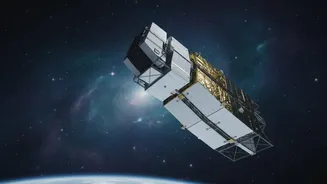
Situated high in the Chilean Andes, the Vera C. Rubin Observatory represents a monumental investment in science and technology. At its heart is the Simonyi Survey Telescope and the LSST Camera, the largest digital camera ever constructed for astronomy.
Weighing around 3,000 kilograms and roughly the size of a small car, this 3,200-megapixel powerhouse is an engineering marvel. Its mission is to conduct the decade-long Legacy Survey of Space and Time (LSST), which officially began in mid-2026. This survey will photograph the entire southern sky every few nights, creating what many are calling the greatest cosmic movie ever made. The project is a massive undertaking, designed to produce a treasure trove of data for scientists worldwide.
More Than Just a Pretty Picture
The recently released image is not a single snapshot but the result of combining hundreds of observations. This technique allows the observatory to detect galaxies and stars that are far too faint to be captured in one exposure. The image focuses on the COSMOS field, a well-studied patch of sky that is relatively clear of stars from our own Milky Way, providing an unobstructed view into the distant universe. This specific region was chosen because it has been observed extensively by other major telescopes like Hubble and Webb, creating a rich dataset for comparison. By imaging this field, the Rubin Observatory can calibrate its own powerful instruments against known benchmarks and add its unique capabilities to the existing body of knowledge. This release isn't just an image; it's accompanied by the observatory's first scientific catalog, a foundational tool for astronomers.
Adding Time to the Cosmic Equation
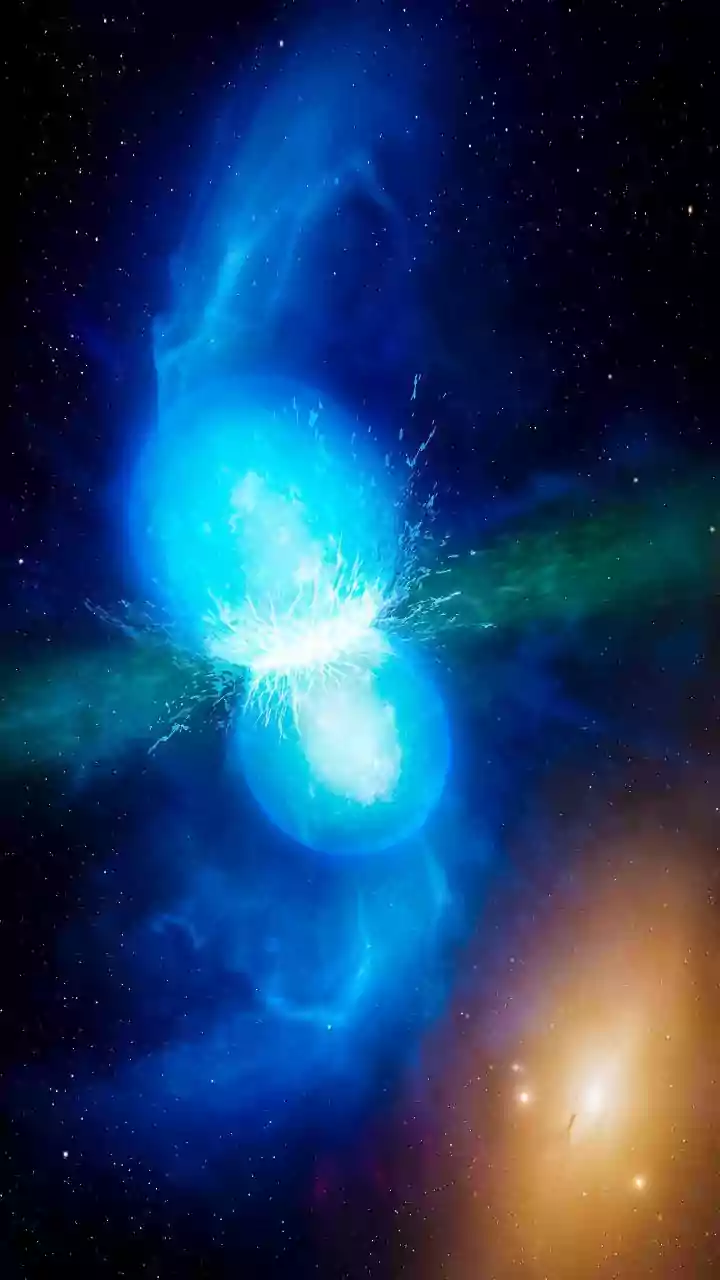
The "new context" promised by this image comes from Rubin's unique ability to add the dimension of time to our understanding of the cosmos. While other telescopes have provided deep, static images, Rubin will revisit the same patch of sky hundreds of times over its 10-year survey. This will create a dynamic view, allowing scientists to track how galaxies evolve, interact, and change. It will capture fleeting events like supernovae and the collision of neutron stars, providing a wealth of data on transient phenomena that were previously difficult to study systematically. By observing changes over time, astronomers can move from still photography of the universe to a full-fledged motion picture, revealing processes that unfold over cosmic timescales.
Unlocking Deeper Mysteries
This massive dataset will be crucial for tackling some of the biggest questions in astrophysics. The sheer number of galaxies observed—with billions expected over the full survey—will provide unparalleled statistical power for studying the evolution of the universe. Scientists hope to find new clues about dark matter and dark energy, the mysterious components that are believed to make up the vast majority of the cosmos. By studying the faint, ghostly light from stars stripped from their home galaxies, known as intracluster light, Rubin will illuminate the history of galaxy clusters in unprecedented detail. Until now, this light has been too faint to detect broadly, but Rubin's sensitivity will change that, opening a new window into the universe's large-scale structure.