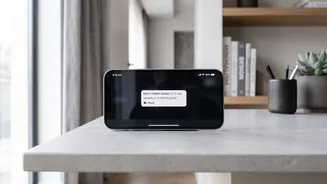






It sounds like your grandchild is in trouble and needs money urgently. The voice is theirs, but is it really them? AI-powered voice cloning is making impersonation scams more convincing than ever, turning a familiar voice into a fraudster’s tool.
The New Face of Fraud
Artificial
intelligence has supercharged an old scammer’s trick: impersonation. Fraudsters are now using AI to create deepfake audio, cloning a person's voice with alarming accuracy from just a few seconds of audio. This audio can be sourced from public videos on social media, podcasts, or even a voicemail greeting. The goal is to create a believable audio message or a live call that manipulates you into sending money or revealing sensitive information by exploiting your trust in a familiar voice. These aren't robotic-sounding robocalls; the technology has advanced to the point where AI-generated voices can sound natural and context-aware, making them difficult to detect.
How the Scam Unfolds
The most common scenarios prey on your emotions. A fraudster might call you, using a cloned voice of a loved one, claiming to be in an emergency—like a car accident, an arrest, or a medical crisis—and in desperate need of money. This is a high-tech version of the classic 'grandparent scam'. In a corporate setting, an employee might receive a call from someone who sounds exactly like their CEO, instructing them to make an urgent and secret wire transfer to a new vendor. In both cases, the scam relies on creating a powerful sense of urgency and fear, which short-circuits critical thinking and pressures you to act immediately without verification.
Red Flags to Listen For
While the technology is sophisticated, it's not always perfect. There are subtle clues that can give away a deepfake voice. Listen for a monotone or flat emotional tone, where the speech lacks the normal highs and lows of a real conversation. The pacing might be off, with unnatural pauses or a robotic cadence. You might also hear digital artifacts like faint buzzing or static, which can sometimes be used to mask imperfections in the audio. If the caller's language seems overly formal, unusually polite, or uses phrases that are out of character for the person they're pretending to be, it's a major red flag. Any request that comes with intense pressure to act now and a demand for secrecy is a classic manipulation tactic used by fraudsters.
Your Best Defence: Verify and Pause
The single most effective way to thwart a voice scam is to resist the pressure and verify the request through a separate channel. If you receive a frantic call from a supposed family member, hang up immediately. Then, call that person back on the phone number you have saved for them. Do not use any contact information provided in the suspicious message or call. Similarly, in a work environment, any unexpected request for a funds transfer should be confirmed through a different communication method, like a direct message on a company platform or an in person conversation. A legitimate emergency can withstand a few moments of verification; a scammer cannot.
Proactive Steps to Protect Yourself
You can also take proactive steps to make yourself a harder target. One powerful strategy is to establish a 'safe word' or a secret question with close family members. This is a word or phrase only you would know, which can be used to confirm identity during a real emergency. A scammer with a cloned voice won't have this secret information. It's also wise to reduce your 'digital voice footprint'. Consider making your social media accounts private to limit public access to videos and audio clips of you speaking. The less sample material a fraudster has, the harder it is for them to create a convincing clone of your voice.