


What is 'Double Carbing'?
Double carbing simply means eating two significant sources of carbohydrates in a single meal. In an Indian context, this is incredibly common. Think of a thali with both rice and roti, a plate of chole with bhature, or even a simple meal of dal and rice where
dal, being a legume, also contributes carbohydrates alongside protein. Other examples include having a potato-based sabzi with your chapati or enjoying a samosa with a sweetened chai. While the term might sound alarming, it’s a frequent pattern in many cuisines. The issue isn't the combination itself, but the total quantity and quality of the carbohydrates consumed, especially if they are refined and part of a sedentary lifestyle.
Why Carbs Aren't the Enemy
Carbohydrates are the body's main source of fuel, providing the energy needed for everything from brain function to physical activity. Eliminating them entirely can leave you feeling fatigued and mentally foggy. For active individuals, a sufficient intake of carbs is crucial for performance and endurance. Regularly loading up on multiple sources of refined carbs can lead to a large spike in blood sugar and insulin. When this becomes a habit without enough physical activity, it can contribute to weight gain and other health issues. However, for athletes or those with highly active jobs, combining different types of carbohydrates can actually be a strategy to maximise energy stores. The goal is balance, not fear.
The Power of a Clear Serving Size
This is where the headline's advice comes to life. Managing double carbing becomes much easier when you are mindful of serving sizes. A 'serving' isn't just a random scoop; it's a measured amount. Nutritionists often refer to a 'carb portion' as a food containing about 15 grams of carbohydrates. For example, one small 6-inch roti is about one portion, and so is roughly 1/3 cup of cooked rice. By understanding this, you can make informed choices. If you decide to have both rice and roti, you could have half a serving of each—for instance, half a katori of rice and one small roti—instead of a full portion of both. This allows you to enjoy variety without overloading on carbohydrates.
Building a Balanced Indian Thali
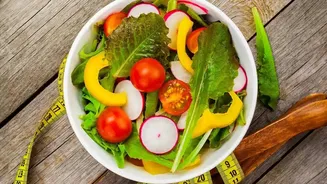
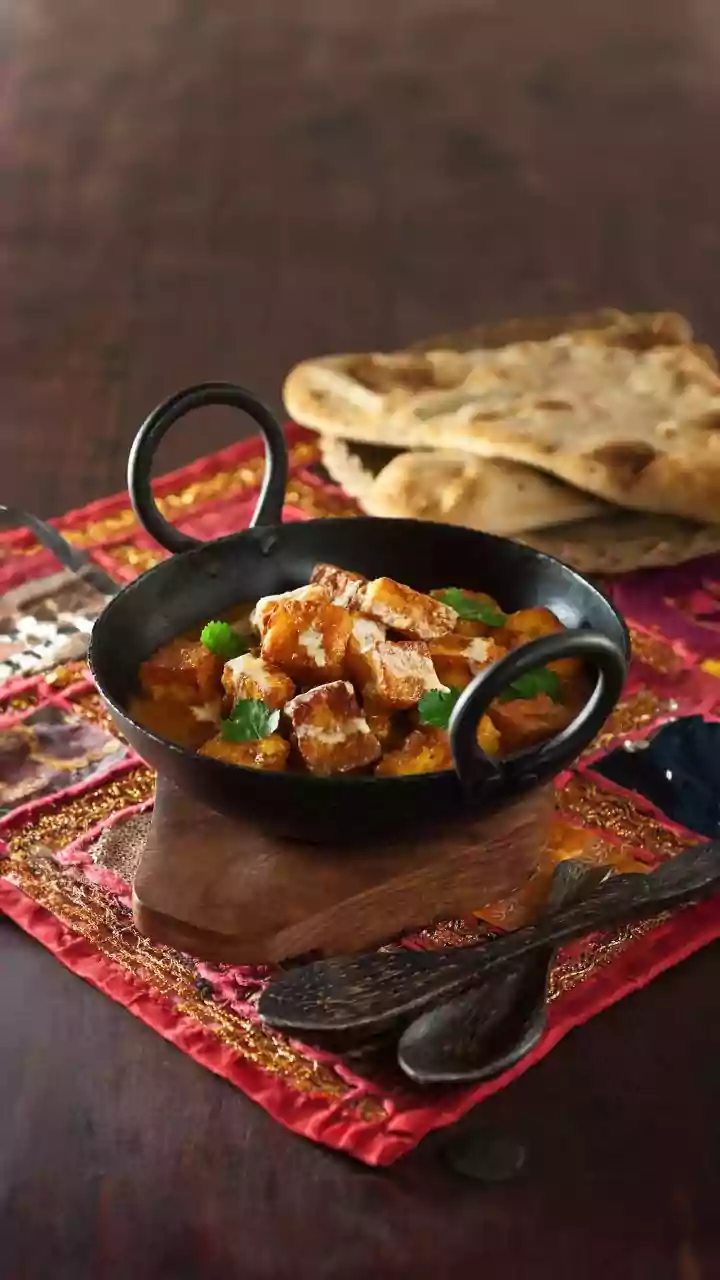
A traditional Indian thali is a masterclass in balanced eating when assembled correctly. A simple rule of thumb used by nutritionists is the 'Plate Method'. Imagine your plate divided into sections: Fill half your plate with non-starchy vegetables like bhindi, lauki, or a fresh salad. Fill one quarter with a lean protein source like dal, paneer, chole, or chicken. Fill the final quarter with your carbohydrate source(s). This is where you manage your double carbing. That quarter of the plate could be one medium roti, or a small scoop of rice, or a bit of both. This visual guide ensures your meal is rich in fibre and protein, which helps slow down digestion and prevents the sharp blood sugar spikes associated with large carb-only meals.
Practical Swaps and Mindful Eating
Managing your carb intake doesn't require a kitchen scale for every meal. You can use visual cues. A serving of rice is often compared to a cupped handful, while a serving of protein is about the size of your palm. When you have a starchy vegetable like potatoes (aloo) in your sabzi, consider reducing your roti or rice portion for that meal. If you enjoy dal, remember it contains both protein and carbs, so you might not need as large a serving of rice. The most important thing is to listen to your body and its energy needs, which vary based on your activity level, age, and health goals. A 15-minute walk after your meal can also help your body manage blood sugar effectively.