


A Land Made for Adventure
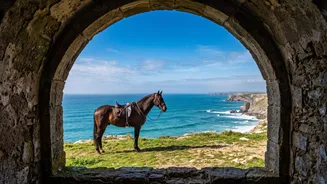
Portugal offers a rare opportunity to saddle up and ride through landscapes dotted with the legacy of ancient empires. The country's connection to both horsemanship and its deep past creates a travel experience unlike any other. The Alentejo region, a vast,
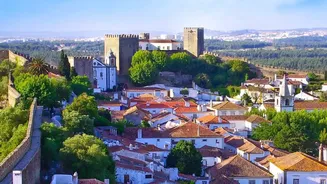
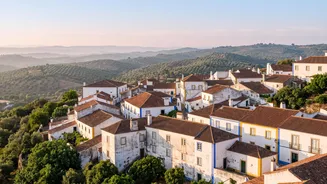
rolling expanse in southern Portugal, is the heartland for this unique blend of activities. Known for its golden plains, historic whitewashed villages, and a slower pace of life, Alentejo provides the perfect backdrop for exploring ancient history from the back of a noble steed. Here, trails pass by not only scenic vistas but also significant archaeological sites, allowing travellers to connect with the past in a truly dynamic and immersive way.
The Lusitano Legacy
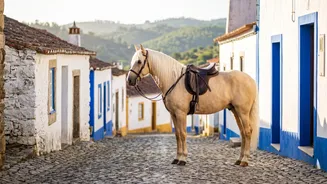
At the centre of Portugal’s equestrian soul is the Lusitano, one of the world's oldest and most revered saddle horse breeds. Descended from the ancient Iberian horses, these animals are known for their intelligence, courage, and gentle temperament, making them ideal partners for trail riding. The Alentejo region is home to numerous 'coudelarias' or stud farms, some of which have been breeding Lusitanos for centuries. One of the most famous is the Alter Real Stud Farm, founded in 1748, which continues to preserve the purebred lineage. Many riding holidays offer the chance to ride these magnificent horses, often staying at beautifully restored farm estates and visiting historic stud farms to see mares and foals grazing in vast meadows.
Echoes of Ancient Rome
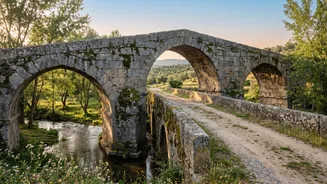
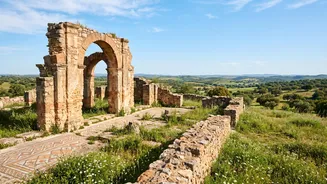
The Romans ruled the province of Lusitania, which covers much of modern Portugal, for nearly 700 years, leaving an indelible mark on the land. The Alentejo is rich with Roman ruins, many of which are accessible on horseback tours. Trails often follow ancient Roman roads or lead to forgotten settlements. The city of Évora, a UNESCO World Heritage site, is a must-see, with its remarkably preserved Roman Temple right in the city centre. Further afield, you can find sites like the Roman Ruins of Miróbriga, a complete town with baths and a chariot racetrack, and the Ammaia ruins, a recently discovered Roman city. Some tours even incorporate guides with degrees in history and archaeology, enriching the experience with expert insights into the ruins you encounter.
Crafting Your Historical Ride
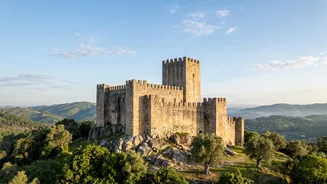
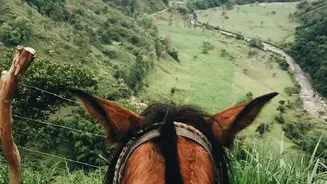
Several tour operators and equestrian centres in the Alentejo region specialize in these historical trail rides. These trips are often designed for small groups and cater to various riding abilities, from intermediate to advanced. A typical itinerary might involve riding for four to six hours a day, traversing rolling hills and meadows, and breaking for picnic lunches in scenic spots. Afternoons could be spent exploring Roman ruins, medieval castles, or charming local villages like Marvão and Castelo de Vide. Accommodation is often a highlight in itself, ranging from stays in renovated private estates that were once the homes of nobility to comfortable guesthouses on stud farms. For those who prefer a single base, centres near Évora offer shorter rides through the surrounding countryside, which includes vineyards and ancient megalithic sites.
The Best Time to Go
The best seasons for a riding holiday in Alentejo are spring and autumn. In spring, from March to May, the countryside erupts in a spectacular carpet of wildflowers. The weather is pleasantly warm, perfect for long hours in the saddle. Autumn, from September to November, offers mild temperatures and the golden light for which the region is famous. The summer months of June, July, and August can be extremely hot, making strenuous riding less comfortable. Regardless of when you go, this journey through Portugal's heartland offers a profound connection to both nature and history, creating memories that will last a lifetime.