

Meet NASA’s Next Great Observer
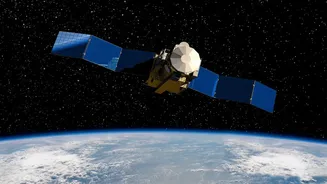
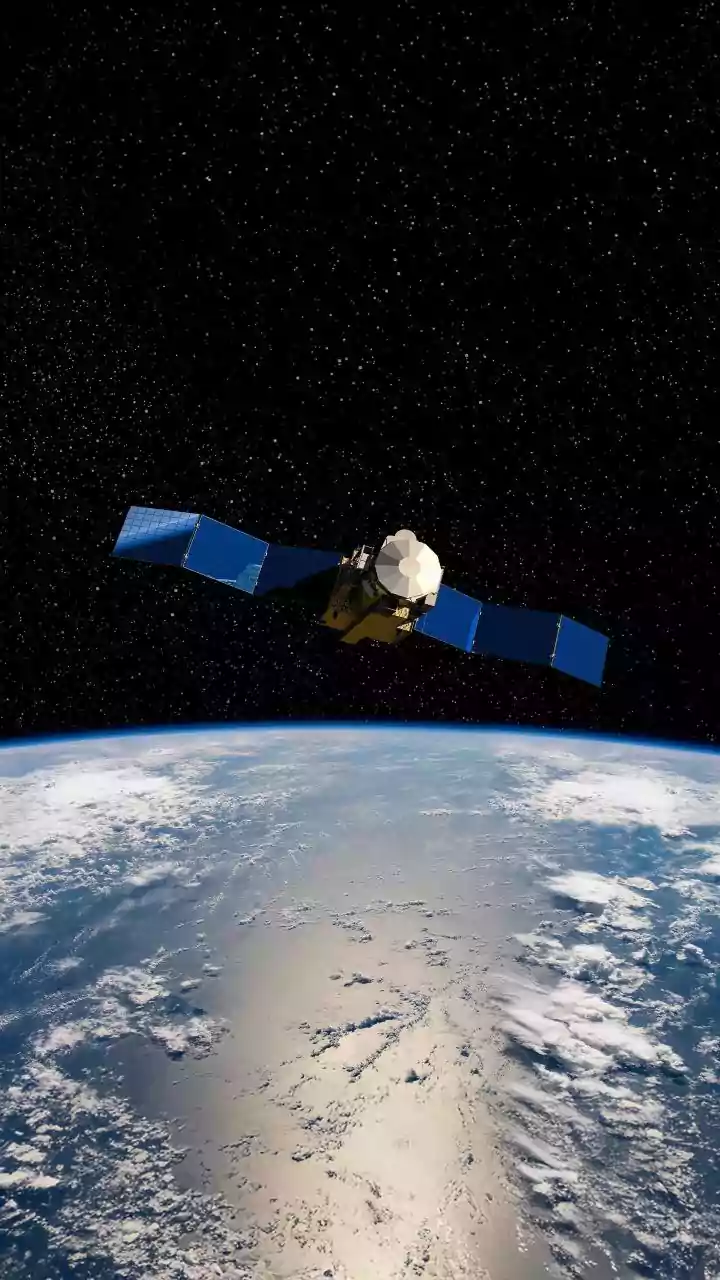
NASA has given the green light for the next stage of development for a new space telescope called PRIMA, which stands for the Probe far-Infrared Mission for Astrophysics. Targeted for a 2033 launch, PRIMA is the first of a new, leaner class of 'Probe
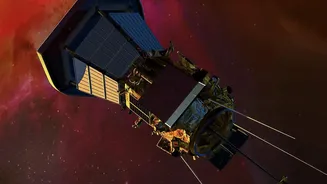
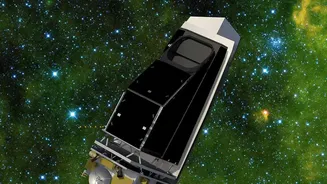
Explorer' missions. These are designed to be more affordable than massive flagships like the $10 billion James Webb Space Telescope (JWST), with PRIMA’s cost capped at about $1.2 billion. The goal is to create powerful, focused observatories that can answer some of the biggest questions in astronomy without the decade-spanning timelines and budgets of their larger cousins. PRIMA will feature a 1.8-metre telescope, but its real magic lies in its ability to see a part of the universe that is currently a blind spot for even our most powerful instruments.
The Universe’s Hidden Colours
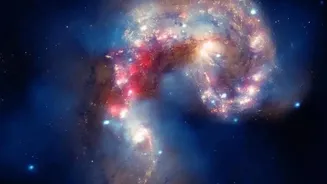
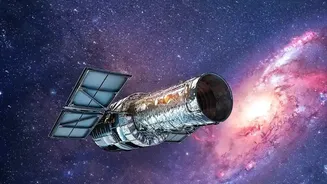
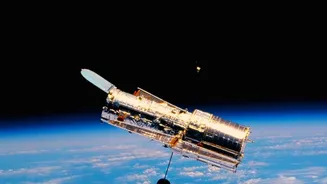
Think of the light from space as a vast rainbow, or electromagnetic spectrum. Our eyes see a tiny sliver called visible light. Telescopes are built to see other parts of this rainbow. While the Hubble telescope sees mostly in visible light, the James Webb Space Telescope excels in the near- and mid-infrared. On the other end of the spectrum, radio telescopes like the Atacama Large Millimeter/submillimeter Array (ALMA) detect very long wavelengths. Between Webb’s vision and ALMA’s lies a crucial, missing section: the far-infrared. This is the 'wavelength gap' that PRIMA is being built to fill. Far-infrared light is emitted by some of the coldest and most distant objects in the universe. It can also pierce through the thick clouds of cosmic dust that obscure star-forming nurseries and the hearts of galaxies, revealing processes that are otherwise invisible.
Answering Cosmic Origins
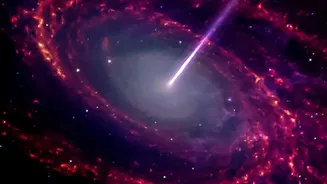
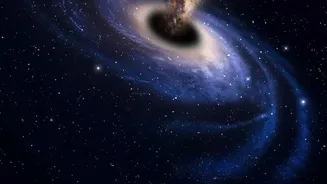
By opening this new window, PRIMA will address fundamental questions about our origins. One of its primary goals is to trace the journey of water across the cosmos. It will observe the swirling disks of gas and dust where new planets are born, mapping the presence of water vapour, carbon, and oxygen—the very ingredients needed for life as we know it. This could finally help explain how planets like Earth get their water. Beyond our cosmic neighbourhood, PRIMA will investigate the co-evolution of galaxies and the supermassive black holes at their centres, a key puzzle in modern astrophysics. It will also chart the buildup of heavy elements and cosmic dust throughout the universe's history, painting a more complete picture of how the cosmos became what it is today.
The Practical Side of Exploration
While PRIMA’s goals are cosmic, its development has a distinctly practical side. To see faint, far-infrared light, the telescope and its instruments must be cryogenically cooled to just a few degrees above absolute zero. This is necessary to stop the telescope’s own heat from overwhelming the faint signals from distant galaxies. Developing these advanced cooling systems and the hyper-sensitive detectors required for the mission pushes the boundaries of engineering. NASA notes that the technologies developed for missions like PRIMA can support future, even more ambitious projects. This drive for innovation often leads to technological spin-offs that find applications back on Earth, from medical imaging to materials science, representing a hidden return on the investment in blue-sky research.
The Path to a 2033 Launch
PRIMA is not yet a sure thing. The mission has officially entered 'Phase B', which focuses on preliminary design and technology development. This is a critical stage where engineers will finalize the blueprints and ensure the necessary technology is mature enough for flight. Before construction can begin, the mission must pass a rigorous confirmation review, where NASA will assess its technical feasibility, schedule, and cost performance. If it clears this hurdle, it will move to full implementation with its international partners, which include the space agencies of Canada, France, Germany, and others. Should it stay on track, PRIMA is set for a 2033 launch and a five-year mission to unveil a side of the universe we have long wanted to see.