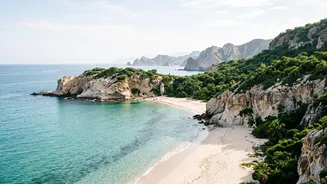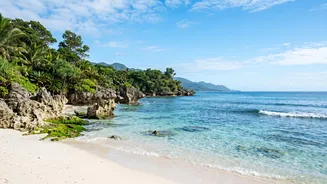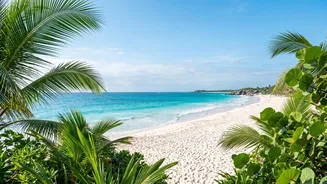

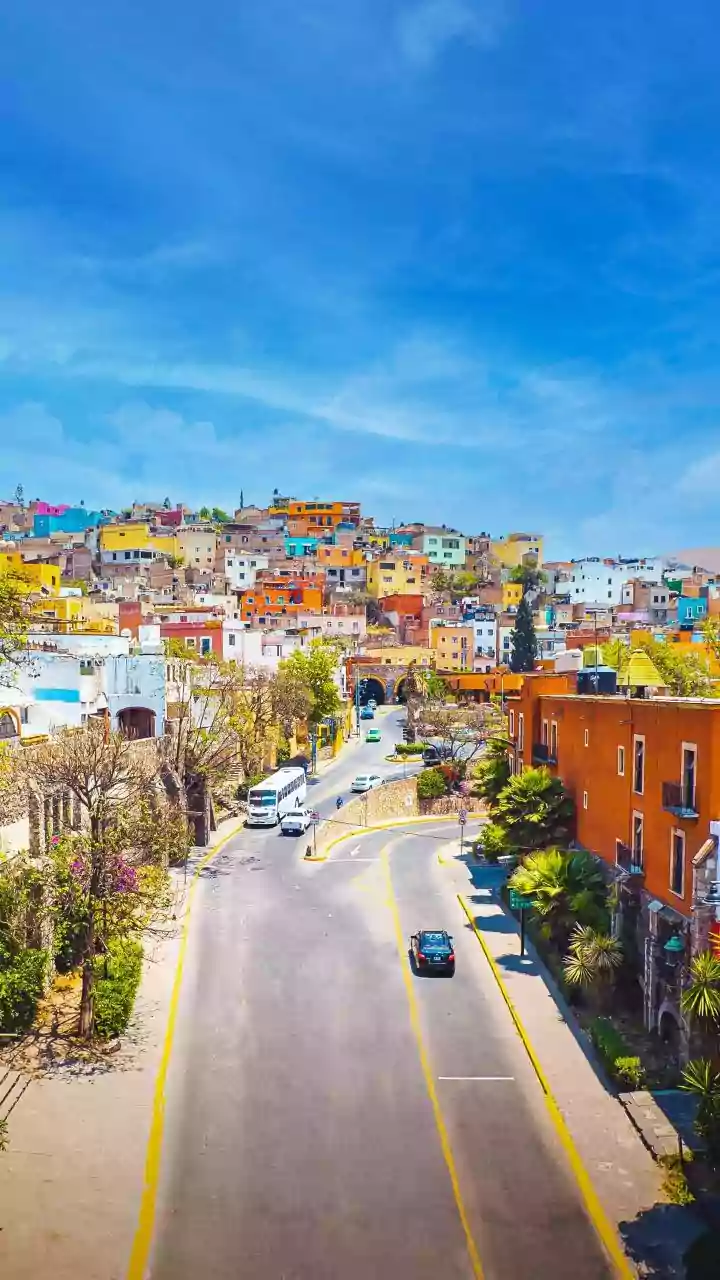
When you picture a Mexican holiday, do you see turquoise waters and sandy beaches? Many do, but the nation's true heart beats in Mexico City's Zócalo, a destination that offers a depth of history and culture unmatched by any resort.
The Heartbeat of a Nation
Officially named the
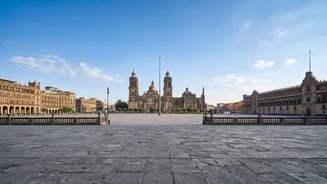
Plaza de la Constitución, the Zócalo is one of the largest public squares in the world. It’s not just a tourist site; it's the literal and figurative center of the country, where national celebrations, major concerts, and passionate public gatherings take place. While resort towns are built for tourism, the Zócalo was built as the core of a civilization. It stands on what was once the ceremonial center of the Aztec capital, Tenochtitlan. This historic weight gives it an energy and authenticity that a purpose-built vacation spot simply cannot replicate. For travelers seeking a connection to the 'real Mexico', this is ground zero.
A Journey Through Time, All in One Place
Standing in the Zócalo, you are surrounded by the grand narrative of Mexico. On one side are the ruins of the Templo Mayor, the primary temple of the Aztec Empire, a site that was once considered the center of the universe. Its stones were used by Spanish colonizers to construct the magnificent Metropolitan Cathedral on the north side of the square, a project that took nearly 250 years to complete. To the east lies the National Palace, the seat of government, which houses Diego Rivera's iconic murals depicting centuries of Mexican history. Where else can you witness the pre-Hispanic, colonial, and modern eras of a nation converging in a single glance? This dense layering of history provides a stark contrast to the singular focus of beach destinations.
Cultural Immersion vs. Curated Relaxation
A trip to a popular resort like Cancún offers a fantastic, relaxing escape defined by sun, sand, and sea. The experience, however, is often insulated within a highly controlled 'Hotel Zone'. The Zócalo offers the opposite: total immersion. Here, you are not just a tourist but a participant in the daily life of one of the world's great megacities. You'll witness traditional Aztec dancers performing ancient rituals, browse local artisan markets, and navigate the energetic hum of the city alongside locals. While resorts provide comfort and ease, the Zócalo delivers a vibrant, sometimes chaotic, and utterly unforgettable cultural education.
A Culinary Epicenter for Every Palate
While Mexico’s coastal resorts offer excellent dining, the culinary landscape around the Zócalo is in a league of its own. It serves as a microcosm of the country’s entire gastronomic offering. Within a few blocks, you can find everything from humble street food stalls serving life-changing tacos and tamales to historic, old-school restaurants like El Cardenal, frequented by the city's elite. Nearby markets, such as the Mercado de San Juan, offer a dizzying array of exotic ingredients and adventurous dishes. This diversity stands in contrast to the often more internationalized or limited menus found in all-inclusive resorts, providing a more authentic and varied taste of Mexico.
The Gateway to a World Class City
Perhaps the Zócalo's greatest advantage is that it’s not an isolated destination; it's the starting point for exploring the immense cultural wealth of Mexico City. Just a short walk or metro ride away are dozens of worldclass museums, including the National Museum of Art and the Museum of Memory and Tolerance. The elegant Palacio de Bellas Artes is a short stroll down a pedestrian street. From here, you can easily venture into vibrant neighborhoods like Roma and Condesa, visit Frida Kahlo's house in Coyoacán, or explore the ancient pyramids of Teotihuacán on a day trip. A beach resort is a destination; the Zócalo is a gateway.