


The Enduring Appeal of Aloo Ka Halwa
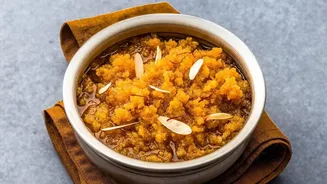
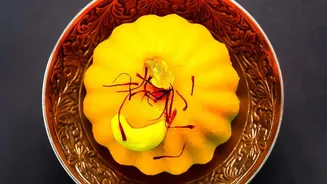
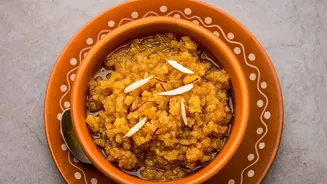
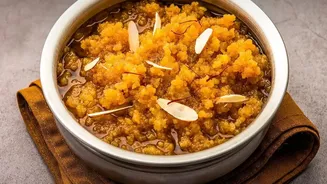
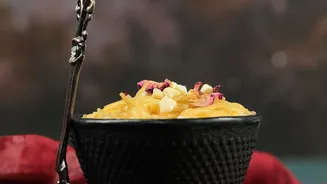
Aloo ka Halwa, or potato halwa, is a unique and cherished dessert in North India, particularly popular in Uttar Pradesh. Made from a humble list of ingredients—boiled potatoes, ghee, sugar, and perhaps a touch of cardamom or saffron—it transforms into
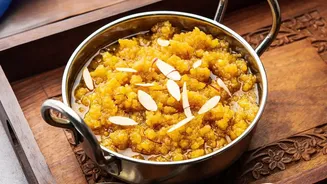
something truly decadent. The magic lies in its texture: a soft, fudgy consistency that is both rich and comforting. It is especially significant during fasting periods like Navratri or Ekadashi, where it serves as a permissible ('phalahari') and energy-boosting treat. The process of sautéing mashed potatoes in ghee until they release a beautiful aroma and take on a golden hue is a culinary ritual in itself, resulting in a sweet that is deeply satisfying.
Why Contrast is the Secret Ingredient
Great dishes often play with contrasts, and texture is one of the most powerful tools in a cook's arsenal. While the smoothness of potato halwa is its signature quality, the unbroken softness can sometimes feel one-dimensional. Introducing a crunchy element provides a delightful surprise that awakens the palate. Each spoonful offers a dual experience: the familiar, yielding base of the halwa followed by a crisp, satisfying bite. This textural interplay makes the dessert more engaging and complex. The crunch prevents the richness of the ghee and sugar from becoming overwhelming, adding a new layer of enjoyment to every bite and making the classic dish feel modern and exciting.
The Best Nuts for the Job
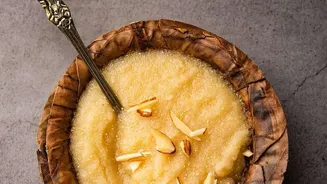
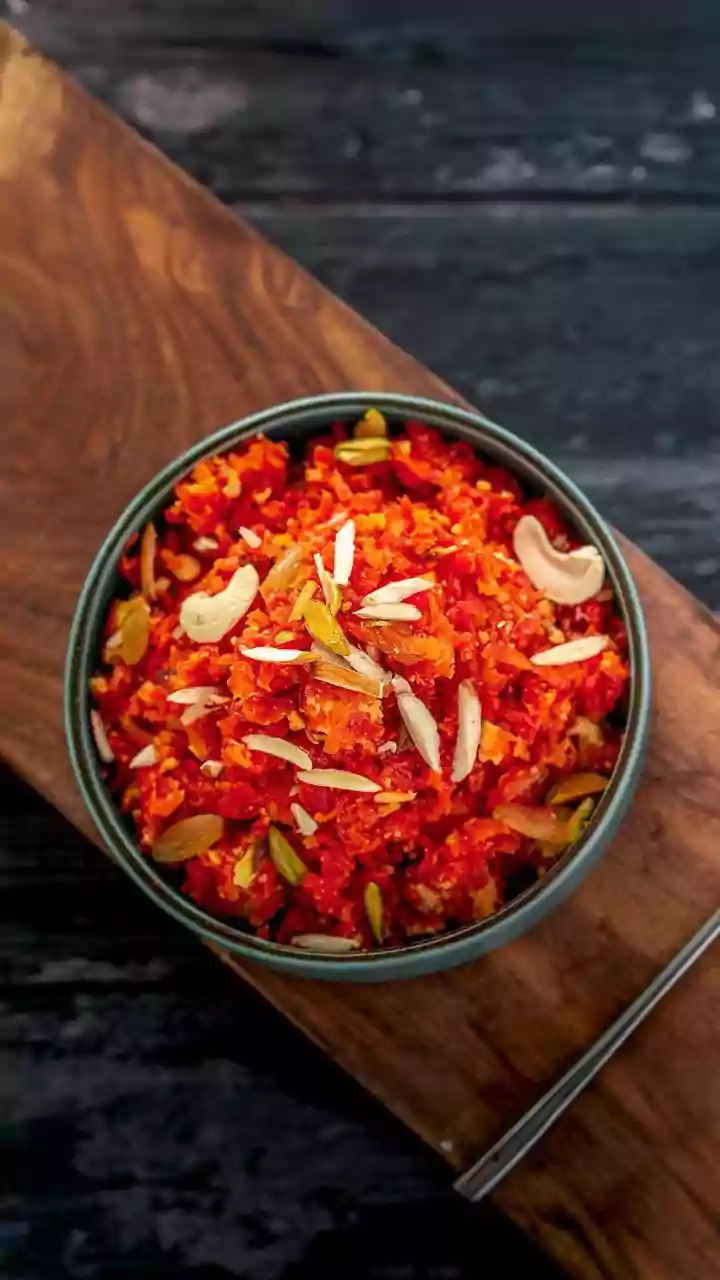
Not all nuts are created equal when it comes to pairing with Aloo ka Halwa. The goal is to complement the halwa's earthy sweetness without overpowering it. Almonds (badam) and pistachios (pista) are classic choices, often used as a garnish in many Indian sweets. Sliced or slivered almonds add a clean, nutty crunch, while pistachios offer a beautiful colour contrast and a slightly more delicate flavour. Cashews (kaju) are another excellent option, providing a softer, more buttery crunch that blends seamlessly with the halwa's creamy texture. For a more robust and earthy flavour, you can even consider using walnuts (akhrot). Ultimately, the choice depends on personal preference, and you can use a single type or a mix for more complexity.
Preparation is Key: Toasting and Timing
To get the most out of your nuts, a little preparation goes a long way. Roasting or toasting the nuts is a crucial step. You can do this in a dry pan over low heat or briefly in a small amount of ghee until they become fragrant and lightly golden. This process intensifies their nutty flavour and, most importantly, enhances their crunch. Once toasted, let them cool before chopping. Whether you prefer a rough chop for bigger, more pronounced pieces or a fine sliver for a more integrated texture is up to you. Most recipes recommend adding the prepared nuts as a final garnish right before serving. This ensures they retain their maximum crunch. Some cooks also like to mix a portion of the nuts into the halwa in the last minute of cooking, infusing the flavour throughout the dish.
A Simple Method for Perfect Potato Halwa
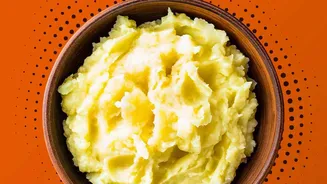
Ready to try it yourself? The process is straightforward. Start by boiling 3-4 medium-sized potatoes until they are very tender. Once they cool slightly, peel and mash them thoroughly, ensuring there are no lumps. Heat a few tablespoons of ghee in a heavy-bottomed pan and add the mashed potatoes. Sauté on a medium flame, stirring continuously, for about 10-15 minutes. The potato will first absorb the ghee and then, as it cooks, will turn golden and start to release the ghee back, indicating it's well-roasted. At this point, add sugar to your taste (about half a cup is a good starting point) and continue to stir. The sugar will melt, and the mixture will become glossy. Keep cooking until the halwa thickens and starts to pull away from the sides of the pan. Finish with a pinch of cardamom powder, mix well, and transfer to a serving bowl before topping with your toasted, chopped nuts.