



Not Your Everyday Dosa
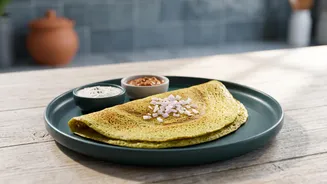
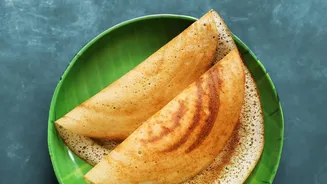
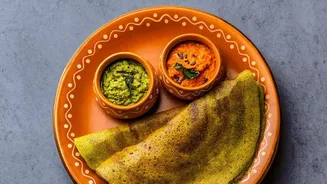
At first glance, a pesarattu might look like a regular dosa, but its foundation is entirely different. While most dosas rely on a fermented batter of rice and urad dal (black gram), the pesarattu is made primarily from whole green moong dal. This single
ingredient swap is the secret to its distinct identity. The name itself, a blend of the Telugu words 'pesara' (green gram) and 'attu' (dosa), tells its story. This crepe is a celebrated staple in the states of Andhra Pradesh and Telangana, born from the region's abundant green gram cultivation. Its flavour is earthy and robust, a departure from the subtle tang of a fermented dosa, offering a more pronounced, satisfying bite.
The No-Fermentation Advantage
One of the most significant differences that sets pesarattu apart is that its batter requires no fermentation. Unlike a traditional dosa batter that needs to sit for at least eight to ten hours, the pesarattu batter can be used almost immediately after grinding the soaked lentils. To create it, whole green gram is soaked for four to six hours, then blended into a smooth paste with flavourful additions like fresh ginger, green chillies, and cumin seeds. This makes it a convenient option for a planned, yet quicker, wholesome breakfast. Some cooks add a small amount of rice or rice flour to achieve a crispier texture, but traditionally, the focus remains on the green gram.
A Perfect Union: The Upma Filling
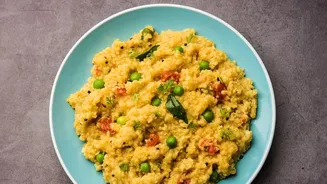
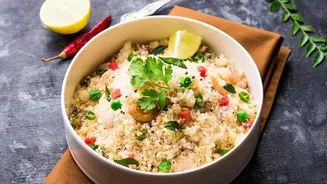
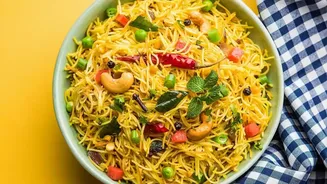
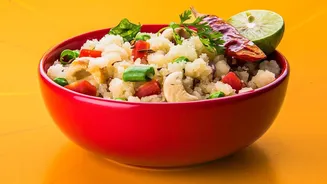
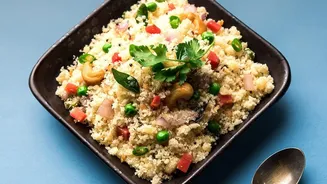
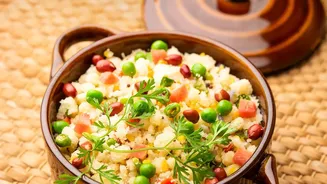
What truly elevates the pesarattu to iconic status is its classic pairing with upma. While a plain pesarattu is delicious, the version stuffed with a scoop of savoury, soft rava upma is a culinary masterstroke. This combination, known as Pesarattu Upma, creates a perfect contrast in textures—the crispiness of the crepe against the softness of the semolina filling. This beloved version is so popular it has its own nickname: MLA Pesarattu. The legend goes that the dish became a favourite among members of the Legislative Assembly in Hyderabad who, to save time, would ask the canteen to stuff their pesarattu with upma, creating a complete meal in one.
A Nutritional Powerhouse
Beyond its unique taste and texture, Pesarattu Upma is a nutritional champion. Because it's made from whole moong dal, it is exceptionally rich in plant-based protein and dietary fibre. This makes it incredibly satiating, keeping you full for longer compared to rice-based breakfasts. With a low glycemic index, it's an excellent choice for those managing blood sugar levels. The dish is also naturally gluten-free and packed with essential nutrients like iron, potassium, and folate, making it a wholesome and energizing way to start the day.
An Icon of Andhra Cuisine
Pesarattu is more than just a recipe; it is a symbol of Andhra culinary identity. It is traditionally served with a side of piquant ginger chutney (Allam Pachadi), which is believed to aid in the digestion of the green gram. Toppings of finely chopped raw onions and green chillies are often sprinkled over the batter on the griddle, adding another layer of flavour and crunch. Whether served plain, with onions, or filled with upma, the pesarattu holds a special place in Telugu households and restaurants as a dish that is both comforting and distinctively delicious.