

A Landmark Partnership in the Stars
This groundbreaking research represents a significant achievement in international space cooperation. Scientists from the Indian Institute of Astrophysics (IIA) in Bengaluru, working with international collaborators, combined data from two state-of-the-art
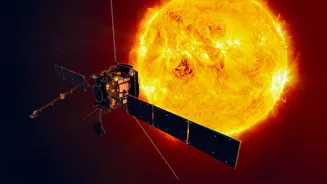
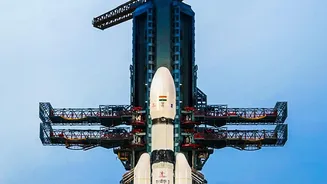
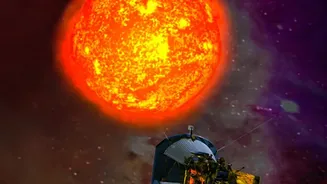
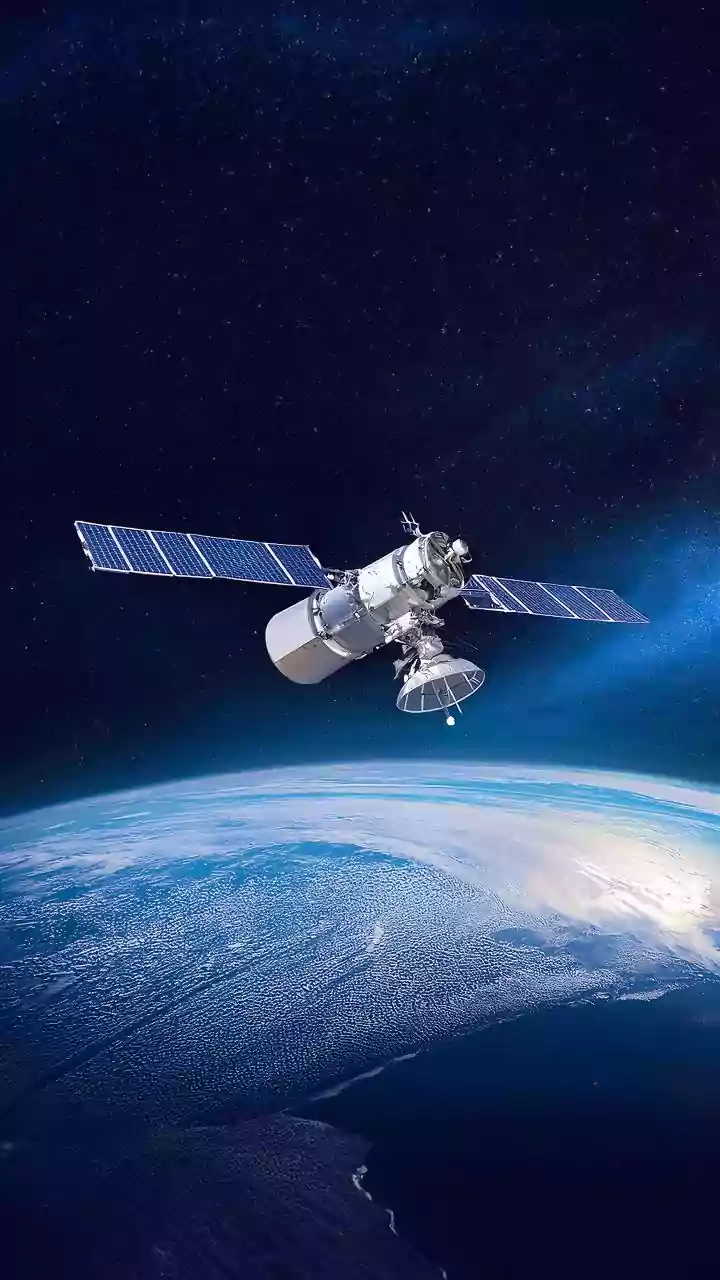
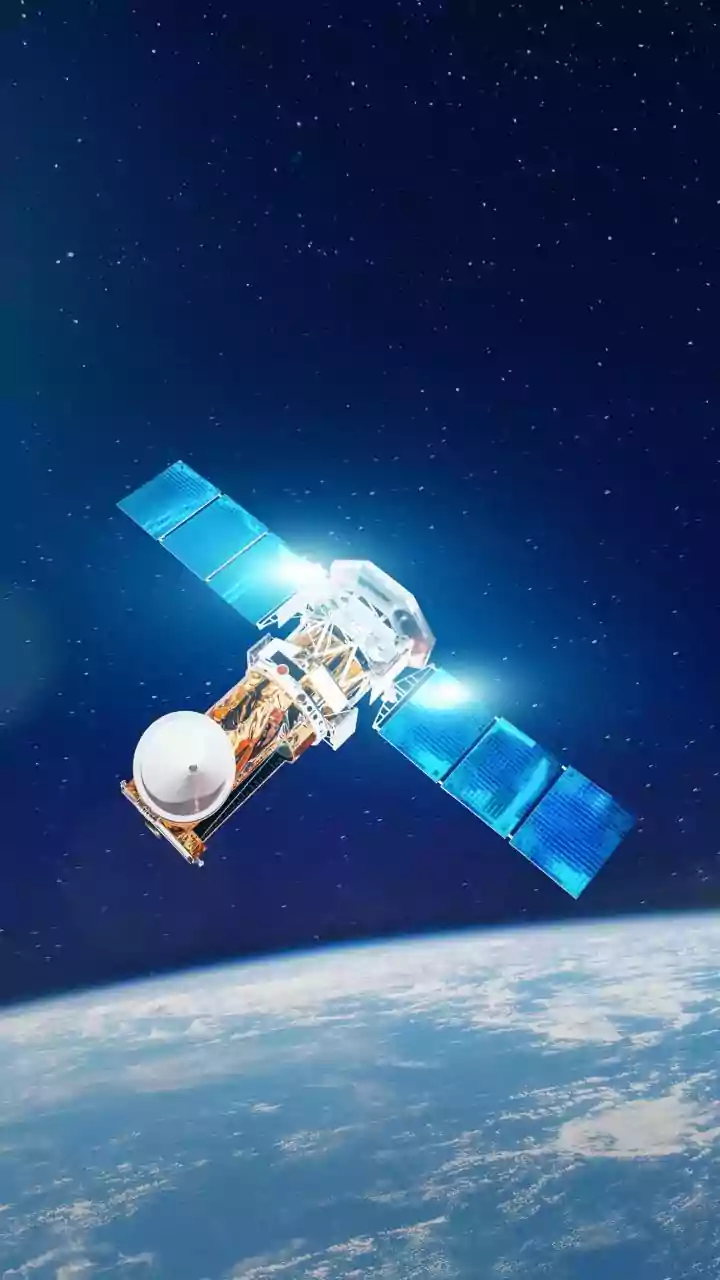
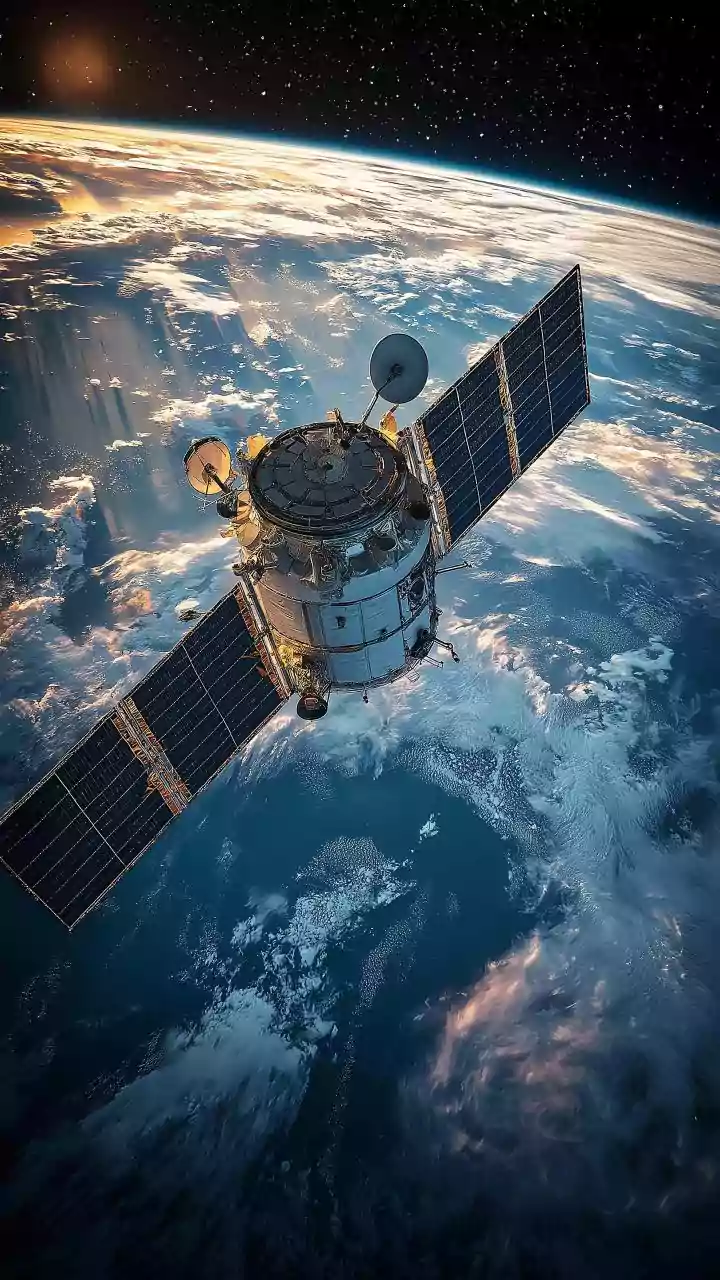
missions. The first is India's maiden solar observatory, Aditya-L1, launched by ISRO on September 2, 2023. It observes the Sun continuously from a unique vantage point nearly 1.5 million kilometres from Earth. The second is the ESA's Proba-3, which was notably launched by an Indian PSLV-XL rocket on December 5, 2024. This partnership extends beyond just launching hardware; a joint ISRO-ESA workshop was held in early 2026 to synchronize data analysis between missions, highlighting a deep and growing collaboration.
Seeing the Unseen: How They Did It
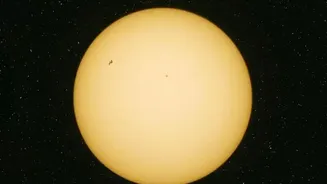
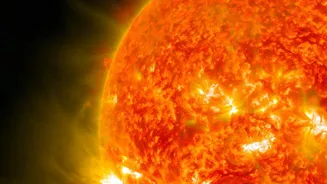
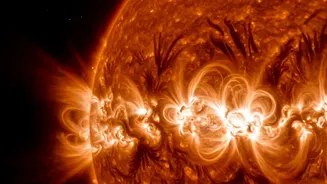
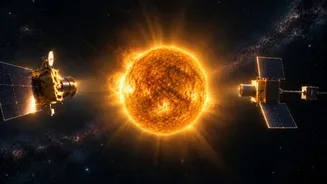
Observing the Sun's corona, its superheated outer atmosphere, is incredibly difficult because it is usually obscured by the intense glare of the Sun itself. The two missions overcome this challenge with complementary technologies. Proba-3 is a marvel of engineering, consisting of two spacecraft flying in precise formation about 150 metres apart to create a perpetual artificial solar eclipse in space. This allows its ASPIICS instrument to capture sharp images of the faint corona. Meanwhile, Aditya-L1's Visible Emission Line Coronagraph (VELC) payload performs spectroscopy, analysing the light from the corona to determine the properties of the gas, like its temperature and density. By combining Proba-3's imaging with Aditya-L1's spectroscopic data, scientists get a more complete and cross-checked view of solar events than ever before.
Decoding the Sun’s Fury
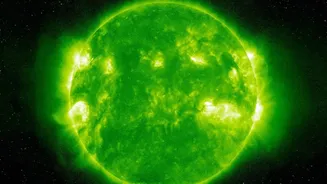
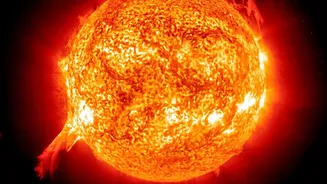
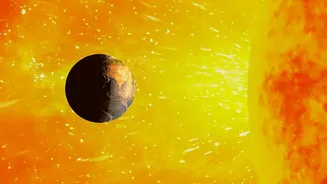
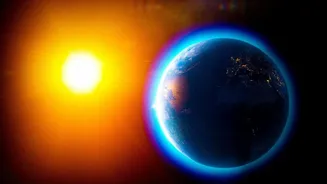
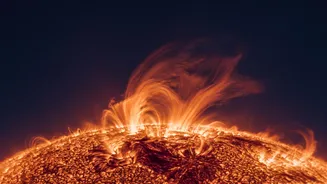
The focus of the study was on two specific Coronal Mass Ejections that occurred on September 14 and 16, 2025. CMEs are colossal eruptions of plasma and magnetic fields from the Sun. While they are a regular solar phenomenon, those directed towards Earth can have serious consequences. They can trigger geomagnetic storms that disrupt satellite operations, interfere with GPS and communication systems, and even damage power grids on the ground. Historically, tracking the early development of these eruptions right after they leave the Sun has been a major challenge, leaving gaps in our understanding of how their energy is distributed and how they evolve.
A Breakthrough in Solar Physics
By analysing the two CMEs recorded by both missions, the research team uncovered fascinating differences. The September 14 eruption was fast, travelling at approximately 645 km per second, while the September 16 event was much slower, moving at about 145 km per second. The slower CME expanded more strongly in its initial phase. Furthermore, the energy distribution was starkly different. In the faster CME, thermal energy (heat) made up only about 1% of the total energy budget. In the slower one, however, the thermal energy grew until it was on par with its kinetic energy (the energy of motion). These findings provide the first crucial observational constraints on how CMEs are powered and develop in the inner corona.
Why This Matters for India and the World
This collaborative success is a major milestone for Indian space science, showcasing the advanced capabilities of the Aditya-L1 mission and the expertise of its scientific teams. Understanding the early behaviour of CMEs is the first step toward better predicting their trajectory and potential impact on Earth. The ability to forecast 'space weather' is becoming increasingly critical for protecting our technology-dependent society. Improved models, fed by this kind of detailed data, could provide more reliable warnings for satellite operators, aviation, and power grid managers to take protective measures. This joint research not only elevates India’s standing in the global space community but also contributes directly to the safety and security of vital infrastructure worldwide.