



A Dam Made by Nature
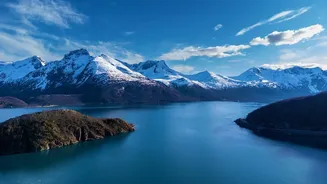
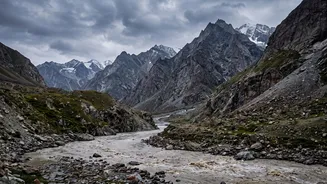
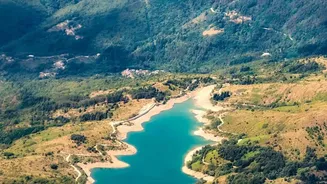
A barrier lake, also known as a landslide-dammed lake, is a body of water that forms when a river is blocked by a natural event. Unlike engineered dams made of concrete, these barriers are composed of loose, unconsolidated debris from landslides, rockfalls,
or glacial collapses. This debris piles up in a narrow river valley, choking the channel and causing water to back up rapidly behind it, creating a temporary reservoir. The lifespan of these lakes is unpredictable, lasting anywhere from a few hours to many decades, depending on the stability of the natural dam.
The Science of Formation
The formation of a barrier lake begins with a high-energy trigger event on a steep mountainside. Intense monsoons, cloudbursts, or earthquakes can destabilize slopes, sending enormous masses of rock, soil, and ice hurtling into the valley below. This material effectively plugs the river, obstructing its natural flow. As the water rises, it submerges upstream land, creating a dual threat: a slow but destructive back-flooding, followed by the potential for a sudden, catastrophic downstream flood if the dam fails.
A Ticking Time Bomb
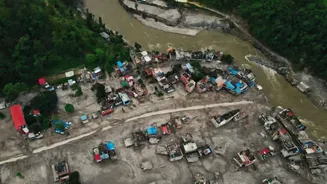
The danger of a barrier lake lies in its inherent instability. The natural dam is a jumble of loose material with no engineered spillway to safely release pressure. As the lake fills, the water can eventually flow over the top of the dam, a process called overtopping. This can quickly erode the loose debris, carving a channel that widens rapidly and leads to a total collapse. Alternatively, water can seep through the permeable layers of the dam, weakening it from within until it gives way. When the dam breaches, it unleashes a devastating event known as a Landslide Lake Outburst Flood (LLOF), sending a wall of water, mud, and boulders downstream.
Nepal’s Unique Vulnerability
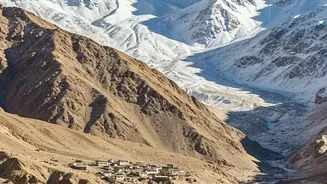
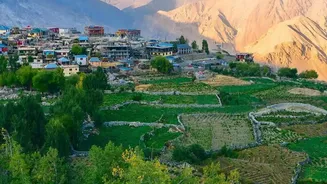
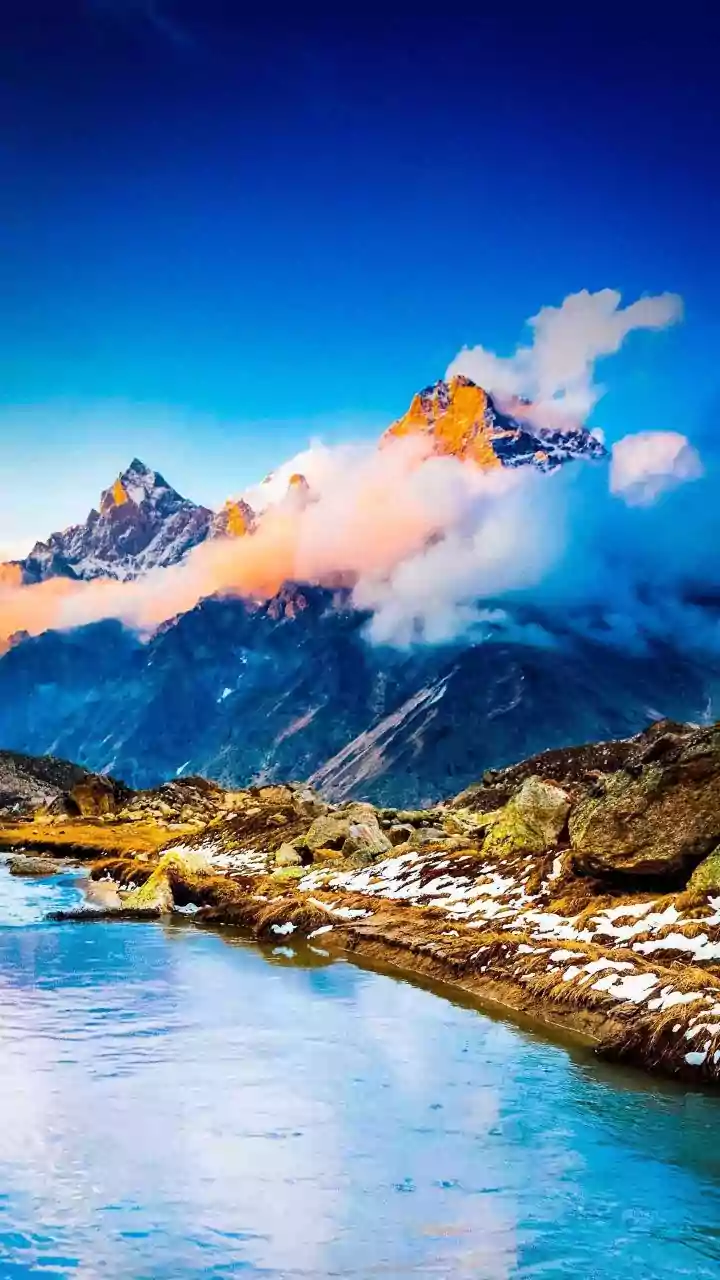
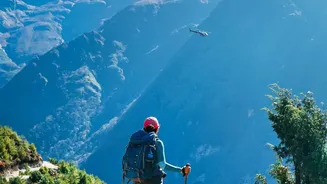
Nepal's geography makes it a hotspot for this type of disaster. The country is situated in the seismically active Himalayan range, with steep mountains and narrow river valleys that are prone to landslides. Furthermore, many of its rivers and tributaries originate in Tibet, meaning that events across the border can have severe consequences downstream in Nepal. A recent disaster in August 2026 highlighted this transboundary risk, when a glacial collapse in Tibet created a barrier lake that threatened communities in Nepal.
The Climate Change Factor
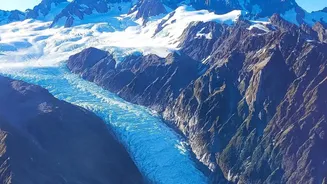
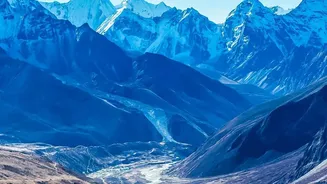
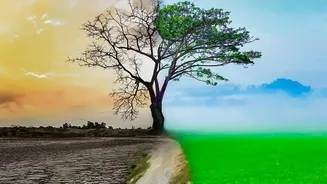
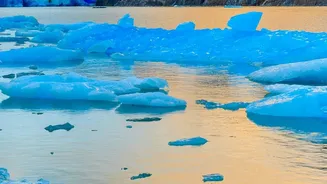
Climate change is amplifying the risks. The Himalayas are warming faster than the global average, accelerating the melting of glaciers. This not only increases the volume of water in glacial lakes but also destabilizes the surrounding slopes as permafrost—the frozen ground that acts like cement—begins to thaw. This makes landslides and glacial collapses more likely. Glacial Lake Outburst Floods (GLOFs), a specific type of barrier lake flood where the dam is made of glacial moraine, are becoming a more frequent threat. Nepal has 21 glacial lakes identified as potentially dangerous and has experienced over two dozen GLOF events since the 1970s.
Racing Against the Clock
The combination of geology and a warming climate puts millions of people at risk. An estimated 15 million people globally live within 50 kilometres of a glacial lake. For Nepal, where water-related disasters account for over 80% of property loss, the threat is existential. Authorities and international organizations are working to monitor these dangerous lakes, using satellite imagery and on-the-ground assessments to provide early warnings. In some cases, efforts have been made to lower the water levels in high-risk lakes to mitigate the danger. However, the remote and treacherous terrain makes these efforts incredibly challenging, turning it into a constant race against time.