


From Backyard to Balcony
The classic image of a kitchen garden involves rows of plants in a large, sun-drenched plot of land. But as cities grow denser and more people live in apartments, this ideal is becoming a rarity. The modern kitchen garden is compact, creative, and incredibly
efficient. This shift has been driven by a growing awareness of where our food comes from and a desire to reconnect with nature, even in a concrete jungle. The pandemic, in particular, saw a surge in home gardening as people spent more time at home and sought meaningful hobbies. This has evolved from a temporary pastime into a permanent lifestyle choice for many who value fresh, pesticide-free produce right at their doorstep.
Finding Your Sunshine
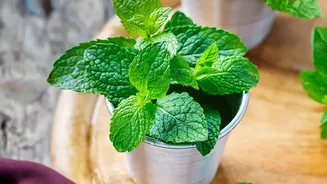
The first step to starting a small-space garden is identifying a suitable location. Most edible plants, especially vegetables and herbs, need at least four to six hours of sunlight daily. Before you buy a single seed, observe your home throughout the day. A south-facing balcony or terrace is ideal for sun-loving plants like tomatoes, chillies, and brinjal. East or west-facing windowsills and ledges can be perfect for herbs like mint, coriander, and basil. Even a small, bright corner can become a productive space with the right plant choices. Don't underestimate any spot that gets consistent light; it's a potential garden waiting to happen.
Thinking Vertically and Creatively
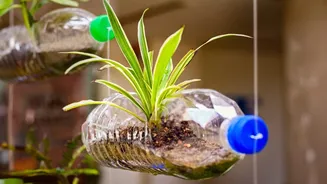
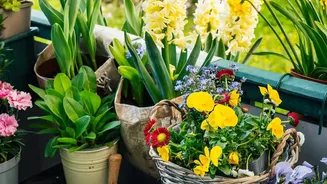
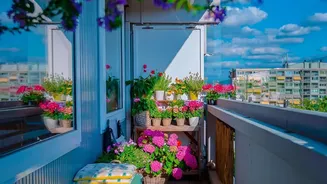
When floor space is limited, the only way to go is up. Vertical gardening is the key to maximising a small footprint. This can be as simple as installing wall-mounted shelves to hold multiple pots, using tiered plant stands, or attaching railing planters to your balcony grill. Hanging baskets are excellent for trailing plants and free up the floor for movement or seating. Creative recycling can also play a role; old plastic bottles, paint cans, and wooden crates can be repurposed into unique and functional planters. These techniques not only save space but also create a lush, green wall effect that can transform a sterile balcony into a vibrant oasis.
Choosing Your Edible Champions
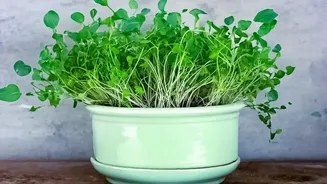
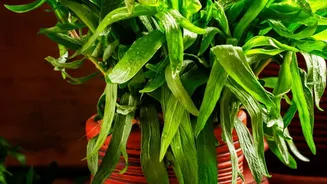
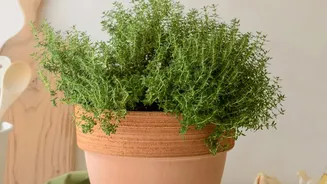
Starting with the right plants is crucial for success and motivation. For beginners in India, it's best to choose crops that are easy to grow and frequently used in the kitchen. Herbs are a fantastic starting point. Mint, coriander (dhania), tulsi, and curry leaves are relatively low-maintenance and thrive in containers. When it comes to vegetables, opt for compact and quick-growing varieties. Cherry tomatoes, green chillies, spinach (palak), fenugreek (methi), and radishes are all excellent choices for pots and grow bags. Many of these can be harvested multiple times, providing a steady supply of fresh ingredients for your meals.
The Right Foundation: Pots and Soil
The container and the soil are the foundation of your garden. Ensure any container you use has drainage holes at the bottom to prevent water from logging and causing root rot. Terracotta pots are breathable but dry out quickly, while lightweight plastic pots retain moisture better. Fabric grow bags are another great, affordable option known for promoting healthy root growth. Instead of using heavy garden soil, which can become compacted in pots, opt for a light, nutrient-rich potting mix. A common blend is an equal mix of red soil, compost, and coco-peat, which provides good drainage and fertility.
More Than Just a Harvest
The benefits of a small kitchen garden extend far beyond the plate. The act of tending to plants can be a meditative and stress-relieving activity, offering a welcome escape from the hustle of daily life. It provides a tangible connection to nature and the food cycle, something often lost in urban environments. For families, it's an educational tool, teaching children where food comes from. Furthermore, growing even a small portion of your own food contributes to a more sustainable lifestyle by reducing food miles and packaging waste. It’s a small step that empowers you to take control of your food supply and enhance your well-being.