


Tomatoes: Keep Them on the Counter
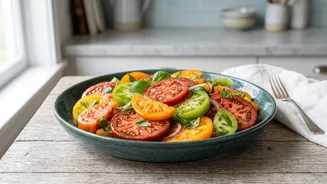
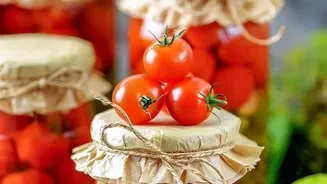
The single biggest mistake people make with tomatoes is refrigerating them. Cold temperatures are the fastest way to get a bland, mealy tomato. The chill damages the membranes within the fruit's walls, which stops the production of the volatile compounds
responsible for its signature aroma and taste. The result is a dull, watery flavour and a grainy texture. For the best flavour, store whole tomatoes at room temperature on your countertop, out of direct sunlight. The only time to consider the fridge is when a tomato is perfectly ripe and you need to buy an extra day or two to prevent it from becoming overripe. Even then, let it come back to room temperature before eating to revive some of its flavour.
Potatoes: A Cool, Dark Place is Best
Potatoes are a pantry staple, not a refrigerator resident. At cold temperatures below about 7°C, a potato's starch begins to convert into sugar. This process, known as cold-induced sweetening, gives the potatoes an unpleasantly sweet taste and a gritty texture when cooked. Furthermore, these extra sugars can lead to the formation of higher levels of acrylamide, a chemical that can form when starchy foods are fried, roasted, or baked at high temperatures. The ideal storage is a cool, dark, and dry place with good air circulation, like a pantry or cellar. A paper bag or mesh bag works well; avoid sealed plastic bags which trap moisture and encourage sprouting and rot.
Bread: The Counter or the Freezer
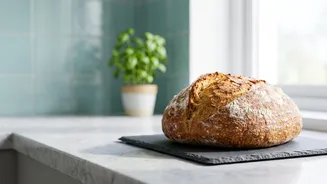
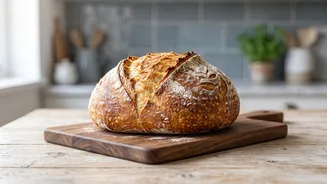
It may seem counterintuitive, but the refrigerator makes bread go stale faster. The process is called starch retrogradation, where the starch molecules recrystallise and push water out, making the bread hard and dry. This happens much more rapidly at cool fridge temperatures than at room temperature. While the cold does slow mould growth, most bread will become unpleasantly stale long before it gets mouldy. For short-term storage (a few days), keep your loaf in a bread box or its original packaging at room temperature. For long-term storage, the freezer is your best friend. Freezing almost completely halts the staling process. You can freeze a whole loaf or individual slices for convenience.
Onions and Garlic: Let Them Breathe
Whole, unpeeled onions and garlic thrive in a cool, dark, and well-ventilated space. The humidity of a refrigerator is their enemy, causing them to become soft, mushy, and prone to sprouting or moulding. They need air circulation to stay firm and flavourful. Storing them in a mesh bag or a simple basket in a pantry or cupboard is ideal. One important note: keep them separate from your potatoes. Onions release ethylene gas, which can cause potatoes to sprout prematurely. Once you've cut or peeled an onion or garlic, however, the rules change. At that point, they should be stored in an airtight container in the refrigerator and used within a few days.
Honey: A Pantry Staple That Lasts Forever
There is absolutely no need to refrigerate honey. In fact, it's the worst thing you can do to it. Cold temperatures cause honey to crystallize and solidify, turning it into a thick, grainy sludge that's difficult to use. Honey is one of nature's most shelf-stable foods due to its high sugar concentration and low moisture content, which prevents bacteria and other microorganisms from growing. Archaeologists have even found edible honey in ancient Egyptian tombs. Keep your honey in its original jar with the lid tightly sealed, and store it at room temperature in your pantry. If it does crystallize over time, simply place the jar in a bowl of warm water to gently melt the crystals.
Coffee: Airtight and Away From Odours
Your morning coffee deserves better than the refrigerator. Coffee beans and grounds are highly porous and act like a sponge for moisture and odours. Storing coffee in the fridge will not only introduce unwanted moisture, which makes it go stale faster, but it will also absorb the smells of everything else in there—last night's leftovers, that wedge of cheese, and so on. The best way to preserve your coffee's flavour and aroma is to store it in an opaque, airtight container in a cool, dark place like a cupboard or pantry. Buy whole beans when possible and grind them just before brewing for the freshest taste.
Avocados: Use the Fridge Strategically
The right way to store an avocado depends on its ripeness. If you buy a hard, unripe avocado, leave it on the countertop at room temperature for a few days until it softens. Putting an unripe avocado in the fridge will significantly slow down the ripening process. However, the refrigerator can be a useful tool to extend the life of a perfectly ripe avocado. Once it has reached the ideal softness but you aren't ready to eat it, you can place the whole, uncut fruit in the fridge for two to three days to keep it in that prime state. Once cut, you should store any leftovers in the fridge, ideally with a little lemon or lime juice on the exposed flesh to prevent browning.