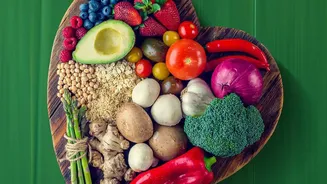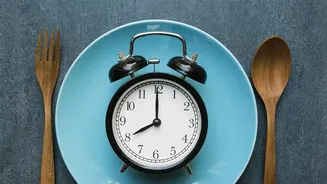






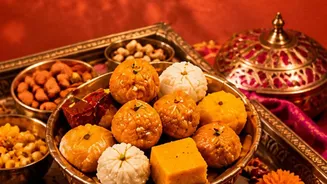
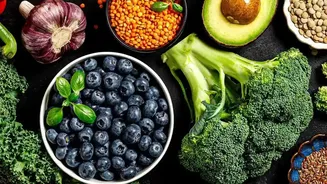
After days of festive indulgence, the body often craves a return to balance. Rather than a drastic 'detox', experts advise a gentle reset that focuses on nourishing your system, supporting heart health, and getting back to a sustainable routine.
The Goal Is Reset, Not Punishment
The first
rule of a post-festive reset is to avoid guilt. Enjoying special meals during Diwali is normal, and there's no need to compensate by skipping meals or starting a restrictive crash diet. In fact, experts warn that extreme measures often backfire, leading to unhealthy eating patterns. The goal isn't to 'flush toxins'—your liver and kidneys already do that—but to gently guide your body back to a rhythm that makes you feel energised and well. A successful reset is about re-establishing consistency with balanced meals, proper hydration, and mindful habits. Think of it as supporting your body's natural processes, not punishing it for celebrating.
Hydration is Your First Priority
After consuming foods rich in salt and sugar, rehydrating is crucial. These foods can lead to dehydration, leaving you feeling sluggish and bloated. Make water your primary beverage to help your system flush out excess sodium and support digestion. Start your day with a glass of water and keep a bottle handy to sip throughout the day. While plain water is best, you can also include herbal teas, coconut water, or jeera-infused water. Proper hydration aids kidney function, helps regulate your digestive system, and can prevent the headaches often associated with post-festive fatigue.
Reintroduce Fibre and Whole Foods
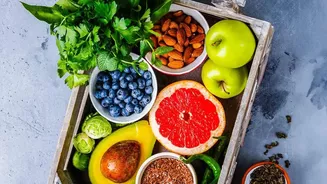
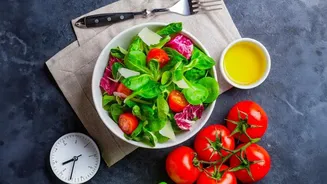
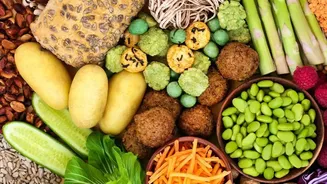
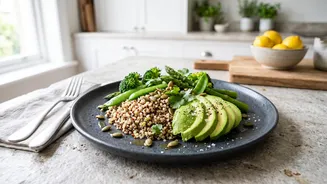
Festive menus are often low in fibre. To bring your digestive system back on track, focus on incorporating whole foods rich in fibre. This includes seasonal fruits like apples and papayas, green vegetables like spinach and broccoli, whole grains like oats and dalia, and legumes like dal and chickpeas. These foods are easy on the stomach and help regulate bowel movements. A simple approach is to follow the plate model: fill half your plate with vegetables, a quarter with a lean protein source, and a quarter with whole grains. This ensures a balanced intake of nutrients without overwhelming your system.
Prioritise Lean Protein for Satiety
During Diwali, meals can be heavy on carbohydrates and fats, with protein often taking a backseat. Reintroducing lean protein is key to feeling full and satisfied, which helps manage cravings for sweets and fried snacks. Good sources include dal, paneer, curd (yoghurt), eggs, fish, and chicken. Having a protein_rich snack, like a handful of nuts or roasted chana, can also prevent overeating at your next meal. Protein helps stabilise blood sugar levels and supports muscle recovery, making you feel more energetic.
Eat Light and Restore a Regular Schedule
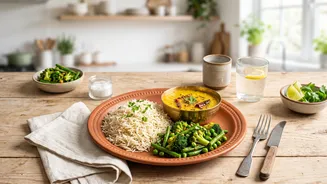
Instead of your usual meals, consider lighter options for a few days to give your digestive system a break. Simple, home cooked dishes like vegetable khichdi, dal soup, or steamed vegetables are gentle on the stomach. It's also important to return to a regular meal schedule. Skipping breakfast or other meals to 'save' calories can lead to extreme hunger and subsequent overeating. Eating smaller, more frequent meals can help stabilise your energy and prevent the blood sugar spikes and crashes associated with festive eating.
Be Mindful of Salt, Sugar, and Fats
A key part of a cardiologist led reset is being mindful of ingredients that strain the heart. Festive foods are often high in salt, sugar, and saturated fats, which can temporarily increase blood pressure and cholesterol levels. For a few days, try to limit packaged snacks, processed foods, and leftover sweets. Opt for baked snacks over fried ones and satisfy sugar cravings with fruit. Reading labels on packaged foods can help you become more aware of hidden sodium and sugar content.