



The Myth of 100% Purity
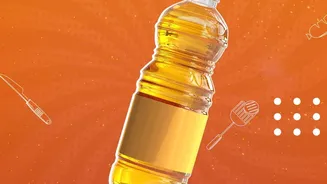
The biggest claim on most avocado oil bottles is that they contain 100% pure avocado oil. However, scientific analysis tells a different tale. Landmark research from the University of California, Davis found that an overwhelming majority of avocado oil sold
is either mixed with other, cheaper oils or is of very poor quality. In their initial study, researchers discovered that at least 82% of samples were either adulterated or had gone bad before their expiration date. Some bottles labeled as “pure avocado oil” were found to contain nearly 100% soybean oil, a much less expensive alternative. Follow-up studies in 2023 and more recently in 2026 have confirmed these issues persist, not just in bottled oils but also in processed foods like chips and dressings that claim to be made with avocado oil. This widespread adulteration means many consumers are paying a premium price for a product they are not actually receiving.
The Quality and Freshness Problem
Even when the oil is technically from avocados, there is no guarantee of quality. A significant portion of oils tested in studies were found to be rancid, meaning they had oxidized due to age or improper storage. This process not only creates an unpleasant taste, sometimes described as being like old modeling clay, but it also strips the oil of its purported health benefits, like heart-healthy fats and antioxidants. The problem stems from a lack of industry standards, unlike the tightly regulated olive oil industry. Without enforced standards for terms like "extra virgin" or "cold-pressed," manufacturers may use overripe, damaged, or poor-quality avocados to produce the oil. As a result, the 'best before' date on a bottle is often not a reliable indicator of the oil's actual freshness.
Rethinking the High Smoke Point
One of avocado oil's most celebrated features is its incredibly high smoke point, often advertised as being around 500°F (260°C), making it ideal for high-heat cooking like searing and frying. While this is true for pure, high-quality refined avocado oil, the reality for many products on the shelf is quite different. When an oil is impure and blended with other oils like soybean or sunflower oil, its smoke point can be significantly lower. Similarly, rancid or low-quality oil will also begin to smoke at a lower temperature. This means the avocado oil you're using for high-heat cooking might be breaking down, producing unhealthy compounds and a burnt flavour, completely defeating one of the main purposes for buying it in the first place.
How to Choose a Better Bottle
Navigating the avocado oil aisle can feel like a gamble, but there are ways to be a smarter shopper. First, don't rely on price; studies show that expensive oils are just as likely to be adulterated as cheaper ones. Instead, use your senses. True virgin avocado oil should have a vibrant green colour, whereas refined oil will be a pale yellow. It should have a fresh, grassy, or buttery aroma. If it smells like stale popcorn or looks brown, it has likely gone rancid. Look for oils sold in dark glass bottles, which protect against light damage. Whenever possible, choose brands that provide a harvest date, as this is a better indicator of freshness than the expiration date. While no single tip is foolproof, these clues can help you find a more authentic and higher-quality product.