




The Post-Monsoon Advantage
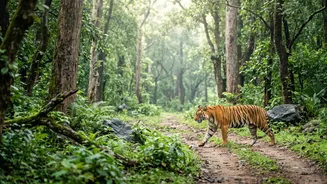
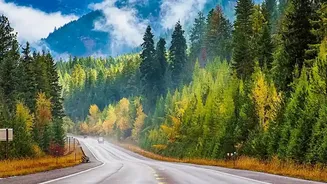
For wildlife enthusiasts, the end of the monsoon signals a much-awaited return to the jungle. Unlike the dry, stark landscapes of peak summer, October offers a different kind of magic. The forests are drenched in emerald, the grasslands are tall and verdant,
and water bodies are brimming. This period of lushness is a photographer's dream, with the clear, post-rain skies creating perfect light against a backdrop of vibrant greenery. The air is fresh, temperatures are pleasant, and the entire ecosystem feels rejuvenated. The annual closure from July to September allows the flora to recover, provides privacy for animal breeding, and gives authorities time to repair safari tracks damaged by heavy rains, ensuring the parks are in prime condition for visitors.
A Different Kind of Safari Experience
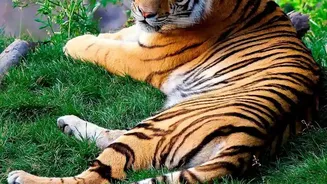
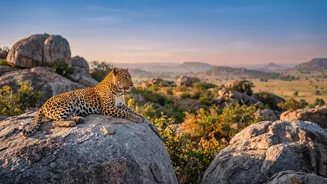
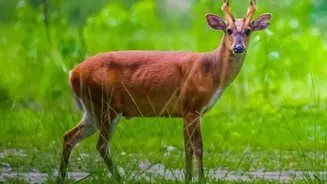
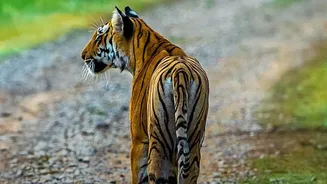
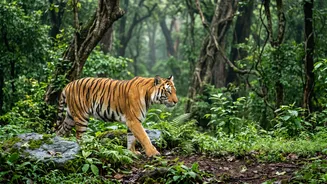
While summer is often touted for its high probability of tiger sightings as animals gather around scarce water sources, an October safari offers a more holistic experience. The trade-off for the magnificent greenery is that the dense foliage can make spotting the elusive big cat more of a challenge. However, this doesn't mean sightings are rare. Animals are generally more active in the pleasant weather, and with water widely available, they roam more freely throughout the forest rather than being confined to specific locations. This season is about embracing the forest in its entirety—the cacophony of bird calls, the herds of deer grazing in misty meadows, and the sheer beauty of a revitalised landscape. It is also a less crowded time to visit, allowing for a more serene and personal communion with nature before the peak tourist season begins in November.
Which Parks Are Reopening?
Many of India's most famous tiger reserves reopen their core zones to visitors around the first of October. Among the most anticipated are: Ranthambore National Park, Rajasthan: Known for its dramatic setting with a historic fort overlooking the forest, Ranthambore’s main gates typically reopen on October 1st. Its tigers are relatively accustomed to vehicles, making it a popular choice for first-timers. Kanha and Bandhavgarh, Madhya Pradesh: These central Indian parks are celebrated for their dense Sal forests and high tiger densities. Kanha's core zones reopen around October 1, while Bandhavgarh follows around mid-October. Both parks inspired Rudyard Kipling’s “The Jungle Book” and offer a classic safari experience. Tadoba-Andhari Tiger Reserve, Maharashtra: Often called 'The Jewel of Vidarbha', Tadoba reopens its core areas on October 1. It has gained a reputation for frequent tiger sightings year-round. Jim Corbett National Park, Uttarakhand: As India's oldest national park, Corbett has a staggered opening. The Jhirna and Dhela zones are often open year-round, but the popular Bijrani zone reopens around mid-October, with the core Dhikala zone opening later in November. It is crucial for travellers to check the official websites of the respective forest departments, as opening dates can be subject to change based on local conditions.
Tips for Planning Your October Trip
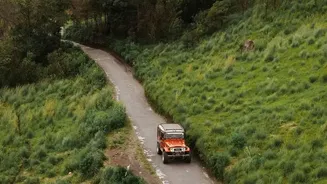
An early-season safari requires a bit of smart planning. Since the reopening dates are highly anticipated, it is wise to book your safari permits and accommodation well in advance, preferably as soon as bookings open, which can be several weeks or months prior. The first few weeks of October can see a rush of visitors eager to be the first back in the jungle. When packing, think in layers. While days are pleasant, early mornings can be cool. Insect repellent is a must, as the post-monsoon environment is ripe for mosquitoes. Engage an experienced guide and driver; their knowledge of tracking in dense conditions can make all the difference between a glimpse and a great sighting. Finally, be patient. The reward of an October safari lies not just in a tiger sighting, but in witnessing the forest at its most beautiful and alive.