



The Problem with Using Flour
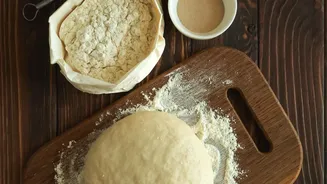
Many of us are accustomed to dusting our rolling surfaces with dry flour (atta) to prevent sticking, a technique we use for rotis and parathas. However, when it comes to deep-frying pooris, this habit can be counterproductive. The primary issue is that
loose flour particles inevitably cling to the rolled dough. When the poori is slipped into hot oil, these flour particles burn almost instantly. This not only imparts a slightly bitter, burnt taste to the poori but also contaminates the frying oil. As you fry subsequent pooris, these dark, burnt specks stick to them, resulting in an unappealing finish and an unpleasant flavour. Furthermore, excess flour can sometimes make the pooris dense or tough, preventing them from achieving that light, airy texture we all crave.
Why a Film of Oil is a Game-Changer
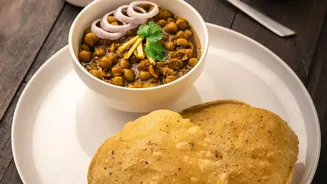
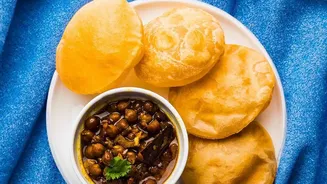
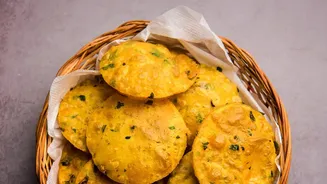
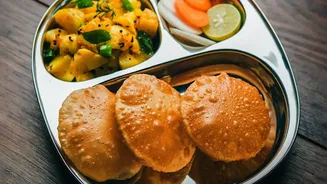
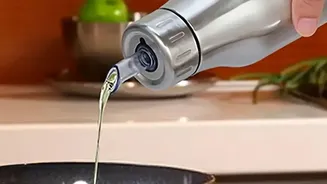
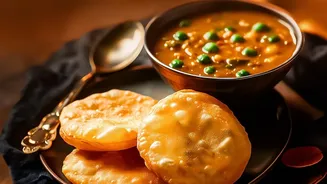
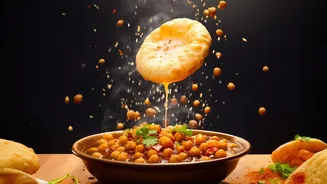
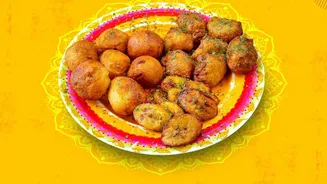
Switching from dry flour to a light coating of oil is a simple but transformative step. By applying a few drops of oil to your rolling surface and pin, or even directly onto the small dough ball, you create a smooth, non-stick surface that makes rolling effortless. The biggest advantage is that it keeps your frying oil clean and pristine throughout the entire cooking process. Since there’s no dry flour to burn, your oil remains clear, ensuring each poori comes out with a clean, golden-brown hue and pure taste. This method also contributes to a better texture. The oil helps to keep the surface of the dough supple, allowing it to puff up beautifully and evenly in the hot kadai. It’s a professional-level trick that home cooks can easily adopt for restaurant-quality results, ensuring your pooris are soft, fluffy, and never greasy or speckled with burnt bits.
The Right Technique for Rolling with Oil
Making the switch is easy. Once your poori dough is kneaded and rested, divide it into small, equal-sized balls. Before you begin rolling, pour a small amount of cooking oil—about a teaspoon—into a little bowl or directly onto your work surface. Dip each dough ball into the oil, ensuring it's lightly coated. You can also apply a thin layer of oil to the rolling pin itself. This light film is all you need to prevent the dough from sticking. Proceed to roll the poori to your desired thickness, typically around 1mm. It shouldn’t be too thin, which can cause it to become crispy like a papad, or too thick, which can result in a doughy, undercooked center. The greased surface allows the dough to glide smoothly, making it easier to achieve a uniformly rolled circle, which is crucial for an even puff.
Essential Tips for the Perfect Poori
While using oil for rolling is a key step, a truly perfect poori relies on a few other critical factors. First, the dough must be firm—stiffer than roti dough. A soft dough will absorb more oil during frying, leading to greasy pooris. Second, the oil temperature is vital. It must be hot enough so that when you drop a tiny piece of dough into it, it sizzles and rises to the surface immediately. If the oil is too cold, the poori will soak up oil; if it's too hot, it will burn before it can puff. Finally, the frying technique matters. Once you slide the poori into the hot oil, gently press it down with a slotted spoon to encourage it to puff up. As soon as it balloons, flip it and cook for a few more seconds until both sides are golden brown.