




A 'Multi-Energy' Future
At the heart of Ferrari's strategy is what it calls 'technology neutrality'. Rather than going all-in on electrification, the company is planning a diversified powertrain portfolio. By 2030, the goal is to have a product lineup consisting of 40% internal
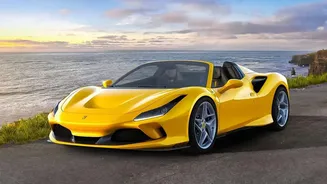
combustion engine (ICE) models, 40% hybrids, and 20% fully electric vehicles. This represents a slight pivot from a 2022 plan that had aimed for a higher percentage of EVs, signaling a strategy that gives customers a choice while the market evolves. CEO Benedetto Vigna has emphasized that this approach allows Ferrari to create 'different Ferrari for different Ferraristi'. The plan includes continuing to innovate its legendary V6, V8, and even V12 engines, ensuring they comply with new regulations and are compatible with alternative fuels like biofuels.
The First Electric Prancing Horse
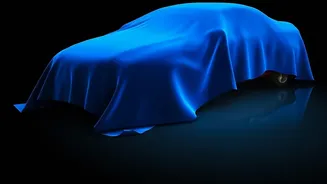
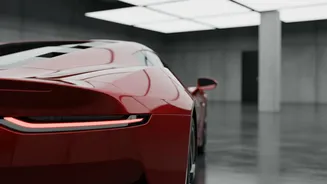
The most anticipated, and perhaps controversial, part of this plan is the brand's first fully electric car, expected to begin deliveries in late 2026. Dubbed the 'Luce,' reports suggest the initial 2026 production run has already sold out, indicating strong early interest despite purist skepticism. The company has stressed that its first EV will be a true Ferrari, rooted in its racing heritage and focused on delivering a unique driving emotion. Instead of chasing silent operation, Ferrari is developing a specialized sound system to amplify powertrain vibrations, aiming to create an authentic 'electric Ferrari roar'. This vehicle is seen not as a replacement, but as an 'electric addition' to the range, designed to attract new clients who may only consider an electric car.
Expanding the Range, Protecting Exclusivity
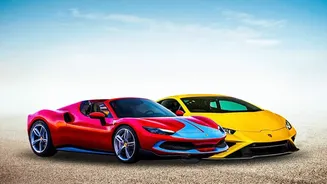
The strategy also calls for an expanded model lineup, with an average of four new car launches planned per year between 2026 and 2030. Recently, Ferrari confirmed two new models will debut before the end of 2026. This push for 'more cars' may seem at odds with the brand's long-held principle of scarcity. However, the company is managing this by expanding the breadth of its offerings rather than dramatically increasing the volume of any single model. This includes creating special series, limited-run 'Icona' cars, and phasing out older models to maintain a sense of managed rarity. The goal is to grow the client base, which is projected to increase by 20% from 2022 to 2030, without diluting the brand's core appeal.
A Holistic Path to Carbon Neutrality
Ferrari's decarbonisation goals extend far beyond the tailpipe. The company is committed to achieving full carbon neutrality by 2030. This involves ambitious targets to reduce emissions across its entire value chain. A major step was the 2024 shutdown of its gas-powered trigeneration plant in Maranello, which is projected to cut methane gas consumption by 70%. The company now relies on renewable energy sources, including a long-term agreement with Shell for clean power and the expansion of its own solar panel installations. The plan also addresses Scope 3 emissions—those from suppliers and the use of its cars—by using more sustainable materials like recycled aluminum and collaborating with partners to decarbonize the supply chain.