





A Discovery High in the Himalayas
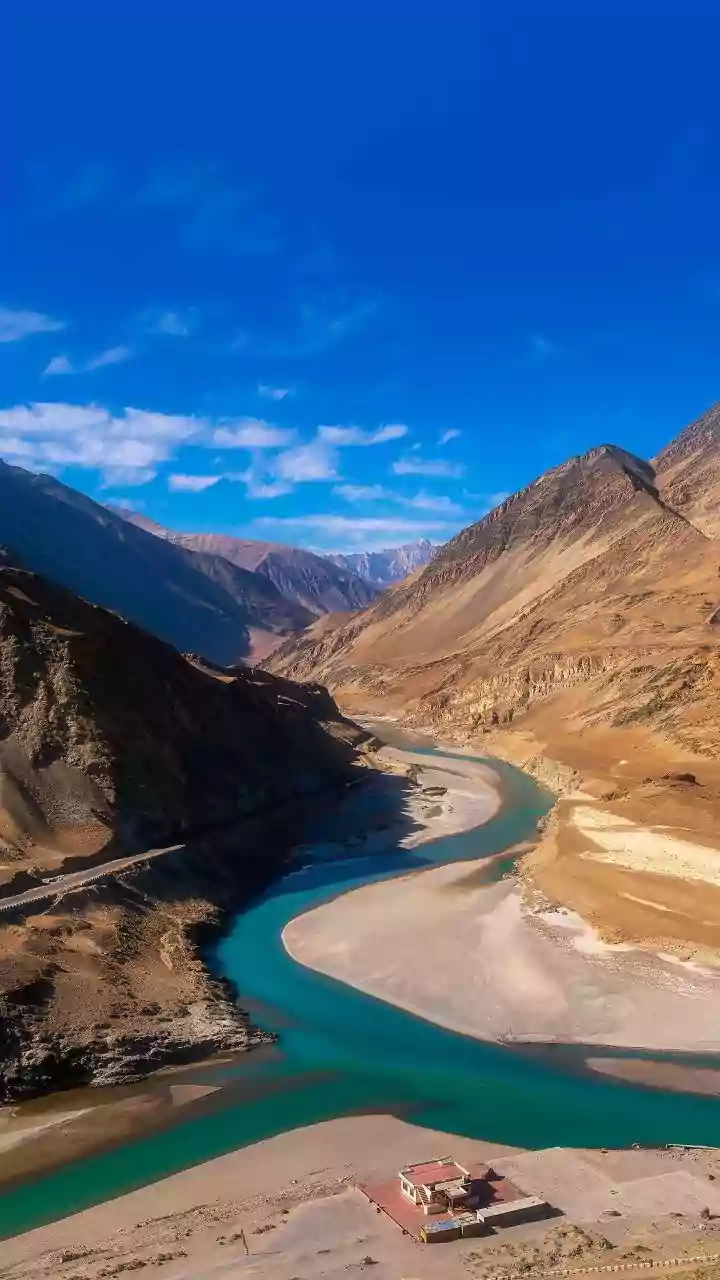
In the remote Changthang region of eastern Ladakh, a team of geologists has made a significant find. Veteran geologist Dr. Ritesh Arya, founder of the Tethys Fossil Museum, unearthed a rich collection of marine fossils near Nyoma, a landscape now synonymous
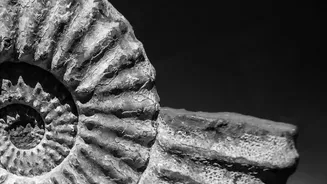
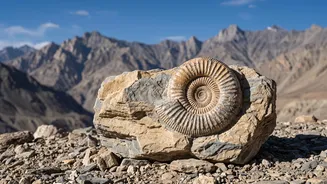
with barren mountains and high-altitude plains. The fossils, dominated by spiral-shaped gastropods (a type of snail) along with bivalves and oyster-like forms, are remarkably well-preserved. This isn't just a case of a few misplaced shells; it's a window into an entirely different world. The discovery was made during a recent geological expedition and represents a substantial collection that allows for detailed scientific examination. The fossils bear a strong resemblance to those found in the Subathu Formation, a well-known geological layer in the outer Himalayas, helping to provide an initial age estimate.
An Ocean Before the Mountains
Preliminary studies date these fossils to the Eocene epoch, approximately 34 to 38 million years ago. At that time, the landmass we know as India was in the final stages of a millions-of-years-long journey northward after breaking away from a southern supercontinent. Separating the Indian plate from the massive Eurasian plate was a vast, warm body of water called the Tethys Sea. The fossils discovered in Ladakh are the remnants of life that thrived on the floor of this ancient ocean. The presence of marine shells, alongside finds of fossilised palms and wood, suggests this area was once a warm, near-coastal environment, a stark contrast to the cold, arid desert of today.
The Great Collision and the Rise of a Range
The existence of the Tethys Sea came to an end in one of the most dramatic geological events in our planet's history. Between 40 and 50 million years ago, the northward-drifting Indian continental plate finally collided with the Eurasian plate. Because both landmasses were of similar density, neither could be easily forced underneath the other in a typical subduction event. Instead, the immense pressure of the collision had nowhere to go but up. The rock layers, including the ancient seabed of the Tethys, buckled, folded, and were thrust skyward. This slow-motion, yet monumentally powerful, collision was the very process that gave birth to the Himalayan mountain range.
From Seabed to the Roof of the World
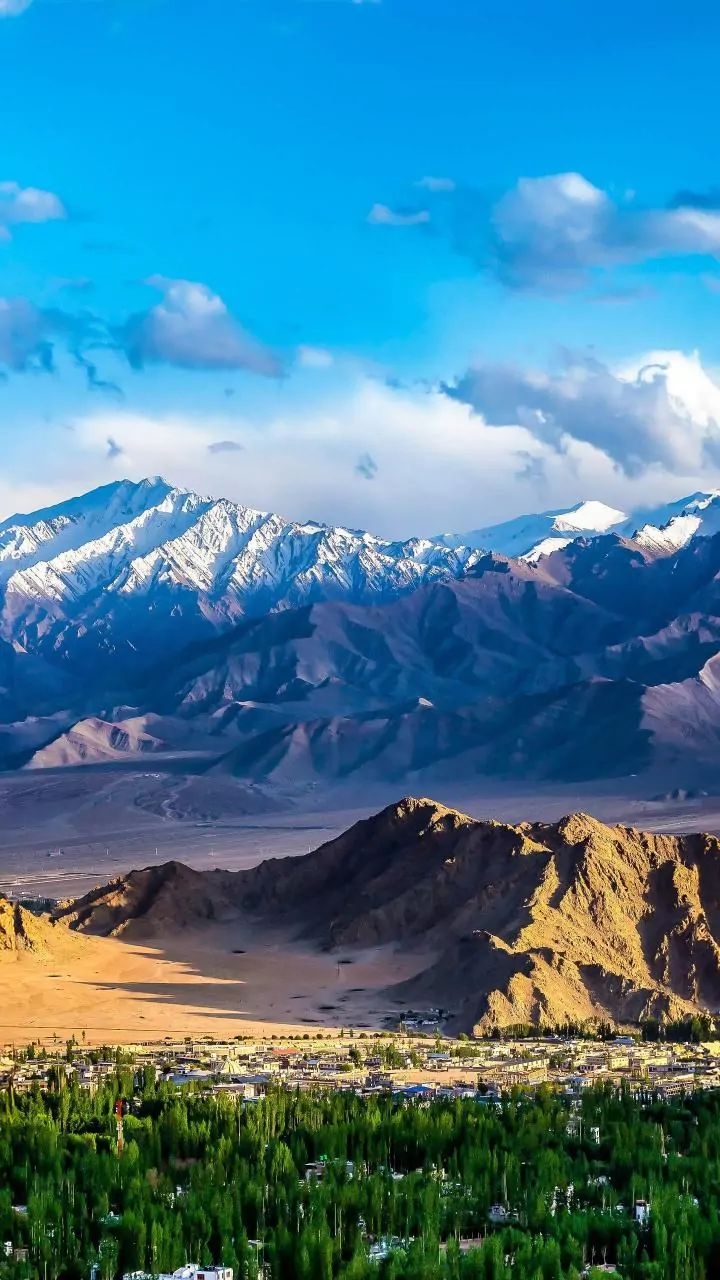
The fossils at Nyoma provide tangible evidence of this incredible transformation. Finding the remains of sea creatures at an altitude of thousands of metres is definitive proof that this land was once submerged. The tectonic forces were so immense that they lifted the former coastal environment to its current position, high in the Himalayas. According to Dr. Arya, the fossils are telling a completely different story of Ladakh, one where marine life flourished long before the region acquired its current landscape. These discoveries help scientists reconstruct the paleoenvironment, offering clues about the climate and conditions of a world that has long since vanished.
Why This Find Is So Important
This discovery is more than just a geological curiosity; it provides a crucial piece of a massive puzzle. Scientists have long known about the Tethys Sea and the Himalayan origin story, but finds like this provide specific data points. They help confirm the timeline of the continental collision and allow geologists to map the extent of this ancient sea with greater precision. The Nyoma fossils suggest the Eocene-era Subathu sea extended further east into the Ladakh region than previously thought. Now, the specimens are undergoing detailed study to confirm their exact age and species, which will further refine our understanding of the geological evolution of one of the world's most iconic mountain ranges.