







The Gateway to the High Himalayas
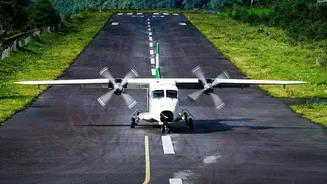
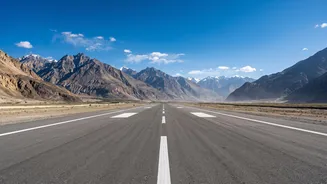
Thoise is not a new name on the map, but it will be a new one for most commercial travellers. Located in the strategically vital Nubra Valley, Thoise is a military airbase operated by the Indian Air Force. For decades, it has served as a critical logistics
hub for the armed forces, given its proximity to the Siachen Glacier and the Line of Actual Control (LAC). Currently, the only way for tourists to reach this mesmerising landscape of sand dunes, monasteries, and remote villages is to fly into Leh and then undertake a challenging multi-hour road journey over the high-altitude Khardung La pass. The introduction of civilian flights would bypass this arduous leg of the journey, bringing visitors directly into the valley.
A Boost for Tourism and Local Economy
The opening of Thoise to civilian air traffic is being hailed as a game-changer for Ladakh's tourism sector. It will significantly cut down travel time and make remote destinations like Turtuk and the Siachen Base Camp more accessible to tourists. Local leaders and business owners anticipate a major economic uplift, predicting a surge in tourist footfall that will benefit hotels, tour operators, taxi services, and restaurants. For the people of Nubra, it also means improved all-weather connectivity, which is often severed during harsh winters when heavy snowfall blocks road access. This has been a long-pending demand from locals to bolster the region's economy and improve their quality of life.
What Needs to Happen First?
While the December 2026 target is ambitious, a lot of work is already in progress. In a recent high-level meeting, key decisions were made to fast-track the project. The Indian Air Force has approved the allotment of five acres of land for constructing a new civil terminal. In the interim, to meet the deadline, the existing charter-flight terminal will be refurbished to handle initial passenger services. The Airports Authority of India (AAI) is defining the infrastructure requirements, after which the Public Works Department will carry out the necessary upgrades. Simultaneously, crucial runway recarpeting work is underway and is expected to be completed by November 2026, paving the way for the targeted start of operations.
Navigating the Challenges Ahead
Launching civilian flights in such a high-altitude and sensitive environment is not without its challenges. The project requires seamless coordination between several bodies, including the Ministry of Defence, the Ministry of Civil Aviation, the IAF, and the AAI. The December timeline is contingent on the swift completion of all infrastructure work, as well as securing necessary regulatory and safety approvals. While the project has been considered under the regional connectivity UDAN scheme, previous bidding rounds saw no airline participation. Renewed efforts and the clear support from the government are now hoped to attract airlines to operate on this new, promising route. Officials have stressed a time-bound approach to overcome these hurdles.