




The 2013 Kedarnath Floods
In June 2013, Uttarakhand witnessed a tragedy of unimaginable scale. A combination of extremely heavy rainfall and the breach of Chorabari Lake, a glacial lake, resulted in catastrophic flash floods. The deluge swept through the Kedarnath Valley, claiming
thousands of lives and washing away entire settlements like Rambara. The event highlighted the lethal combination of extreme weather and glacial lake outburst floods (GLOFs), particularly in areas crowded with pilgrims and unplanned construction. It served as a brutal reminder of the vulnerability of communities and infrastructure located along riverbanks in the high mountains.
The 2021 Chamoli Rock and Ice Avalanche
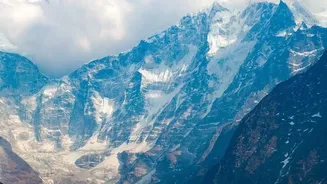
On February 7, 2021, a massive chunk of rock and ice broke off from Ronti Peak in Uttarakhand’s Chamoli district. The resulting avalanche generated a debris flow that thundered down the Rishiganga and Dhauliganga river valleys. It obliterated two hydropower projects and left over 200 people dead or missing, most of whom were workers at these sites. This disaster underscored the risks of building large-scale infrastructure in geologically active and sensitive zones. Scientists confirmed it was not a GLOF but a rock-ice avalanche, revealing another complex threat lurking in the high Himalayas.
The 2023 Joshimath Land Subsidence
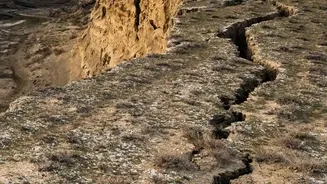
Unlike a sudden flood, the crisis in Joshimath was a slow-motion disaster. In early 2023, large cracks began appearing in hundreds of homes and roads across the town, which is built on the deposits of an ancient landslide. This gradual sinking, or subsidence, has been linked to several factors, including unplanned construction that has blocked natural water drainage, the absence of a proper wastewater system, and its location in a highly seismic zone. The event forced mass evacuations and brought into sharp focus the consequences of unchecked urbanisation on unstable slopes, showing that disasters are not always swift but can unfold over years.
The 2023 Sikkim Glacial Lake Outburst
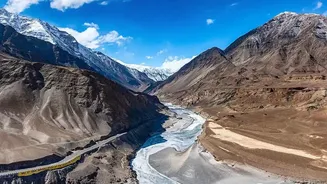
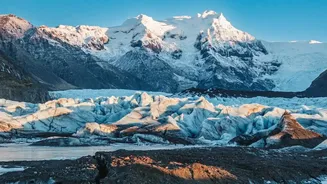
On October 4, 2023, the South Lhonak glacial lake in North Sikkim breached its moraine dam, triggering a devastating GLOF. The floodwaters surged down the Teesta River valley, destroying the Chungthang dam and causing widespread destruction downstream. Dozens were killed, many more went missing, and thousands were displaced. The event was a textbook example of the growing threat from melting glaciers. As glaciers retreat due to climate change, they leave behind large, unstable lakes. The South Lhonak lake had been identified as a high-risk area, yet disaster struck before a full early warning system could be implemented.
The 2021 Kinnaur Landslide
Landslides are a common and deadly hazard on the winding roads of the Himalayas. On August 11, 2021, a massive landslide occurred on a national highway in Kinnaur, Himachal Pradesh. Boulders and debris came crashing down, burying a state transport bus and several other vehicles. Rescue operations were perilous, and ultimately, more than two dozen people lost their lives. The incident was a tragic illustration of the everyday dangers faced by those who travel and live in the region, where steep, unstable slopes can give way without warning, often exacerbated by road construction and heavy rains.
The 2022 Amarnath Cave Cloudburst
Pilgrimage sites in the Himalayas face unique risks due to their remote locations and the sheer number of visitors. On July 8, 2022, a localised, intense rainfall event known as a cloudburst occurred near the Amarnath holy cave. It triggered flash floods that swept through the base camp area, washing away tents and community kitchens. At least 16 pilgrims lost their lives, and many more were reported missing. The tragedy highlighted the extreme vulnerability of temporary settlements in narrow valleys to sudden weather events, which are becoming more frequent and intense with climate change.
The 2023 Himachal Pradesh Monsoon Fury
The monsoon of 2023 was particularly brutal for Himachal Pradesh. Instead of a single event, the state was battered by a series of flash floods and landslides from July through August. Heavy rains, coupled with a western disturbance, caused rivers like the Beas to swell to unprecedented levels, washing away roads, bridges, and buildings in places like Kullu, Manali, and Shimla. Hundreds of lives were lost, and economic losses ran into thousands of crores. This season of destruction demonstrated that these are not isolated incidents but part of a wider, intensifying pattern of climate-related disasters across the entire Himalayan region.