





A Glimpse into the Future
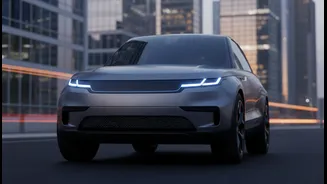
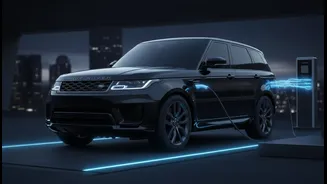
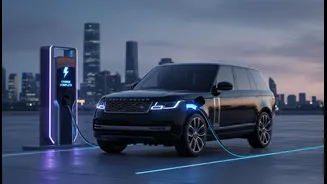
Land Rover is preparing for its most significant transformation yet with the introduction of its first all-electric models, including the highly anticipated Range Rover EV. While the brand promises its legendary off-road capability will remain, the interior
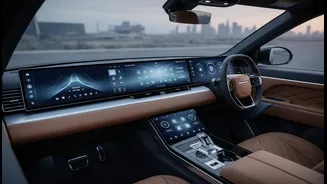
experience is undergoing a radical redesign. Recent previews and prototype sightings reveal a cabin philosophy that leans heavily into digital minimalism, centered around expansive touchscreens. This move follows a broader industry trend but represents a monumental shift for a brand synonymous with rugged, physical controls. The interior will be dominated by the latest generation of the Pivi Pro infotainment system, which features a large, 13.1-inch curved 'floating glass' touchscreen as the command center for nearly all vehicle functions.
More Than Just a Screen
The term "all-screen" doesn't just refer to the central display. The driver is also met with a large digital instrument cluster, likely around 13.7 inches, that works in harmony with the main screen. This setup allows for customizable information layouts, from traditional dials to full-screen navigation maps. Land Rover has focused on making the interface as intuitive as a smartphone, with a flat menu structure that aims to make any function accessible in just two taps. To address the common complaint of using touchscreens while driving, the system incorporates haptic feedback, providing a subtle vibration to confirm a command without the driver needing to look away from the road. This digital-first approach extends to touch-sensitive controls on the steering wheel, further reducing physical buttons.
The End of Knobs and Dials?
The decision to minimize physical controls is one of the most debated shifts in modern car design. For Land Rover, a brand whose vehicles are expected to perform in challenging conditions where a driver might be wearing gloves, the move is particularly significant. Proponents argue that a screen-based system allows for a cleaner, more luxurious aesthetic and greater flexibility through over-the-air updates that can add new features. However, critics raise valid concerns about driver distraction and the loss of muscle memory associated with physical knobs for essential functions like climate control and volume. While some automakers are reintroducing physical buttons after going fully digital, Land Rover appears confident that the Pivi Pro's intelligent voice recognition and user-friendly layout can bridge that gap.
Keeping Pace with Modern Luxury
Land Rover's strategic shift isn't happening in a vacuum. It's a direct response to a luxury market being reshaped by tech-forward brands. Tesla set the benchmark for minimalist, screen-centric interiors, and others have followed with their own interpretations. Mercedes-Benz has its sprawling MBUX Hyperscreen, BMW's i7 features a single curved glass display, and newcomers like Rivian and Lucid have built their brands around clean, digital cabins. By adopting this approach, Land Rover is signaling to a new generation of affluent buyers that its vehicles are as technologically advanced as they are capable. The focus is shifting from pure mechanical prowess to a seamless, connected, and personalized in-car experience.
Redefining the Onboard Experience
This new interior philosophy aims to create a 'sanctuary' on wheels. The silence of an electric powertrain enhances this effect, allowing for a calmer environment. Land Rover is leveraging this with features like active noise cancellation delivered through headrest speakers to create individual quiet zones. The cabin is not just a control room but a living space, featuring sustainable and premium materials, customizable ambient lighting, and wellness features like advanced air purification. The goal is to make the vehicle feel less like a machine and more like an intelligent, personal space that anticipates the user's needs, from learning preferred routes to adjusting settings automatically.