



The Spirit of Sawan Fasting
The holy month of Sawan, or Shravan, is dedicated to Lord Shiva, and for millions, it's a time for prayer, self-discipline, and devotion. Fasting, whether on the Mondays (Somwars) or throughout the month, is a cornerstone of this observance. The goal
isn't just to abstain from certain foods; it's a practice of self-restraint and inner purification. According to Ayurveda, the monsoon season, when Sawan falls, is a time when our digestive fire is weaker. A lighter, 'sattvik' diet—focusing on simple, pure, and fresh vegetarian food—is believed to keep the body and mind calm, aiding spiritual focus.
Why One-Size-Fits-All Diet Lists Fail
A quick search for "Sawan diet" yields countless lists of foods to eat and avoid. While well-intentioned, these lists often ignore a crucial fact: fasting practices in India are incredibly diverse. Traditions vary significantly based on region, community, and even family customs. For example, some devotees observe a strict 'nirjala' fast without any food or water. Others follow a 'phalahar' diet, consuming only fruits and milk. Many others opt for one sattvik meal a day, eaten after evening prayers. Even the start and end dates of Sawan differ between North and South India due to different lunar calendars. A rigid list that doesn't account for this diversity can be confusing and unhelpful.
The Common Ground: What's Usually In and Out
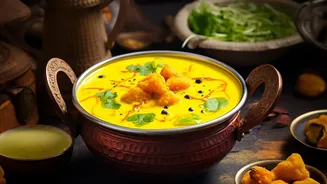
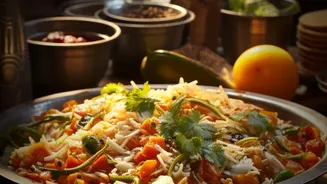
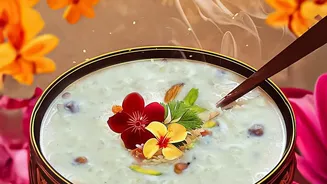
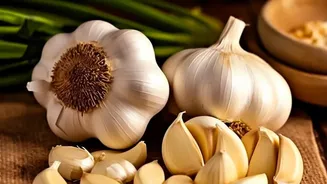
Despite the variations, there are some common principles. Generally, a Sawan fast diet excludes non-vegetarian food, eggs, alcohol, onions, and garlic, which are considered 'tamasic' or heavy. Regular table salt is replaced with 'sendha namak' (rock salt). Most grains like wheat and rice, along with all dals and pulses, are also avoided. Instead, the vrat pantry relies on special ingredients. Vrat-friendly flours like kuttu (buckwheat), singhara (water chestnut), and rajgira (amaranth) are used to make puris and rotis. Sabudana (tapioca pearls) and samak rice (barnyard millet) become staples for dishes like khichdi and kheer.
Decoding the Different Fasting Styles
Understanding the different fasting types helps you see why a single diet plan is impractical. The main variations include: - Nirjala Vrat: A waterless fast, typically observed from sunrise to sunset. This is the strictest form and should only be attempted by those who are in good health. - Phalahar Vrat: This involves consuming fruits, milk products, and water. It's a popular choice for many devotees. - Ek Bhukt Vrat: This allows for one simple meal during the day, usually eaten in the evening after puja. The meal must be sattvik and adhere to fasting rules. Some families might avoid curd, while others consume it. Some might include certain vegetables like potato and bottle gourd, while others stick only to fruits and roots. The sincerity of your devotion matters more than the severity of the fast.
Building a Fasting Plan That's Right for You
Instead of blindly following a generic chart, the best approach is to build a personal Sawan plan. First, understand your own family's traditions by speaking with elders. Consider your health, lifestyle, and work commitments. If you are new to fasting, it’s wise to start with a less restrictive form, like a phalahar or one-meal fast. The purpose of the vrat is spiritual connection, not physical strain. Focus on staying hydrated (unless doing a nirjala fast) and consuming nutrient-dense foods like fruits, nuts, and dairy to maintain energy levels. Remember that dishes like sabudana khichdi, makhana kheer, and kuttu ki puri can be both delicious and compliant with vrat rules.