




A Predator's Remarkable Comeback
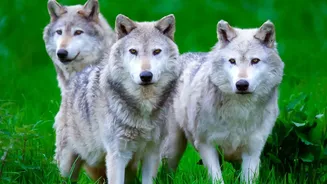
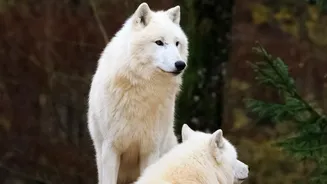
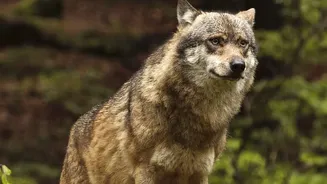
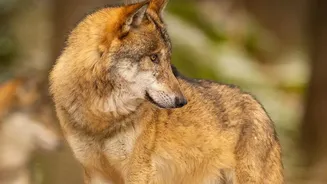
Not long ago, seeing a wolf in the wild was the stuff of folklore in most of Europe. Today, it’s a tangible possibility. Thanks to legal protections, habitat restoration, and changing public attitudes, wolf populations have staged a stunning recovery.
Recent studies show a significant population increase across the continent, with estimates suggesting over 21,500 wolves by 2022, a surge of nearly 60% in just a decade. Countries like Italy, Spain, Poland, and Romania now host populations numbering over a thousand each. This resurgence is a rare triumph for conservation, demonstrating that large carnivores can coexist with humans even in densely populated landscapes. The wolf’s return is reshaping ecosystems and, in the process, creating unique opportunities for a different kind of tourism.
From Fear to Fascination
The growth in wolf tourism signals a profound cultural shift. For centuries, the wolf was a villain in European folklore, a symbol of danger to be eradicated. This historical fear led to their widespread extermination. But as populations rebound, fascination is replacing fear. A new generation of travellers, armed with ecological awareness and a desire for authentic experiences, is eager to connect with Europe’s wilder side. This has given rise to a niche but growing industry of small-group wolf tours, turning a once-feared predator into an unlikely economic asset for rural communities. Instead of conflict, some areas are now finding value in coexistence, marketing themselves as gateways to wild wolf country.
What a Wolf Tour Is Really Like
Forget the idea of a guaranteed, close-up sighting. Responsible wolf tourism is about immersion, not spectacle. These trips, often led by expert ecologists and local guides, are built around the thrill of the chase. Days are spent hiking through remote landscapes, like Italy's Abruzzo National Park or Spain's Sierra de la Culebra, learning to read the language of the forest. Participants learn to identify tracks, analyse scat, and listen for howls at dawn and dusk. The focus is on understanding the wolf's behaviour and its role in the ecosystem. While a fleeting glimpse of a wolf moving across a distant ridge is a possibility and a profound experience, it's not the primary goal. The true reward is the deep connection to a wild place and the satisfaction of contributing to a conservation-focused economy.
The Ethics of Watching Wildlife
With this new tourism comes great responsibility. The best tour operators prioritize the welfare of the wolves above all else. Ethical guidelines are crucial to ensure that tourism does not harm the very animals people have come to see. This means keeping a respectful distance, never feeding or attempting to bait animals, and keeping group sizes small to minimize disturbance. Habituation to humans is a serious risk for wolves, as it can lead to conflict and ultimately endanger them. Prospective travellers should do their research and choose operators who are transparent about their conservation practices, contribute to local communities, and employ knowledgeable guides who enforce strict, no-impact viewing protocols. The goal is to observe, not interact, ensuring that the wolves remain truly wild.