

The Himalayan 'Toy Trains'
Three of India's most iconic photographic journeys are the mountain railways, collectively recognised as a UNESCO World Heritage Site. The Darjeeling Himalayan Railway, Kalka-Shimla Railway, and Nilgiri Mountain Railway offer slow, nostalgic rides perfect
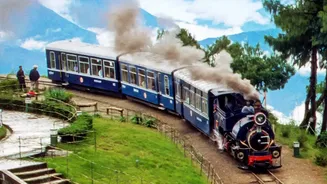
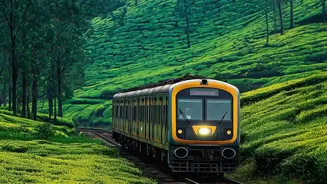
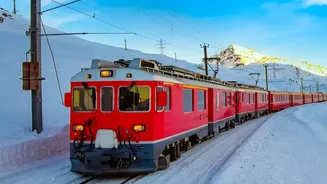
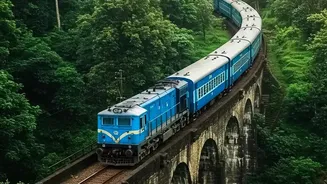
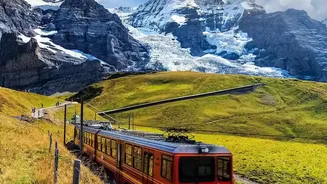
for capturing dramatic landscapes. The Darjeeling 'Toy Train' winds through lush tea gardens with views of Kanchenjunga on clear days. Its most famous feature is the Batasia Loop, a spiral track offering a 360-degree view of Darjeeling. Similarly, the Kalka-Shimla route climbs through pine forests, navigating over 800 bridges and 102 tunnels, creating endless opportunities for capturing the interplay of light, fog, and colonial-era engineering. Down south, the Nilgiri Mountain Railway, with its bright blue carriages, ascends the steepest track in Asia through dense forests and verdant hills to Ooty.
The Konkan Railway: A Coastal Masterpiece
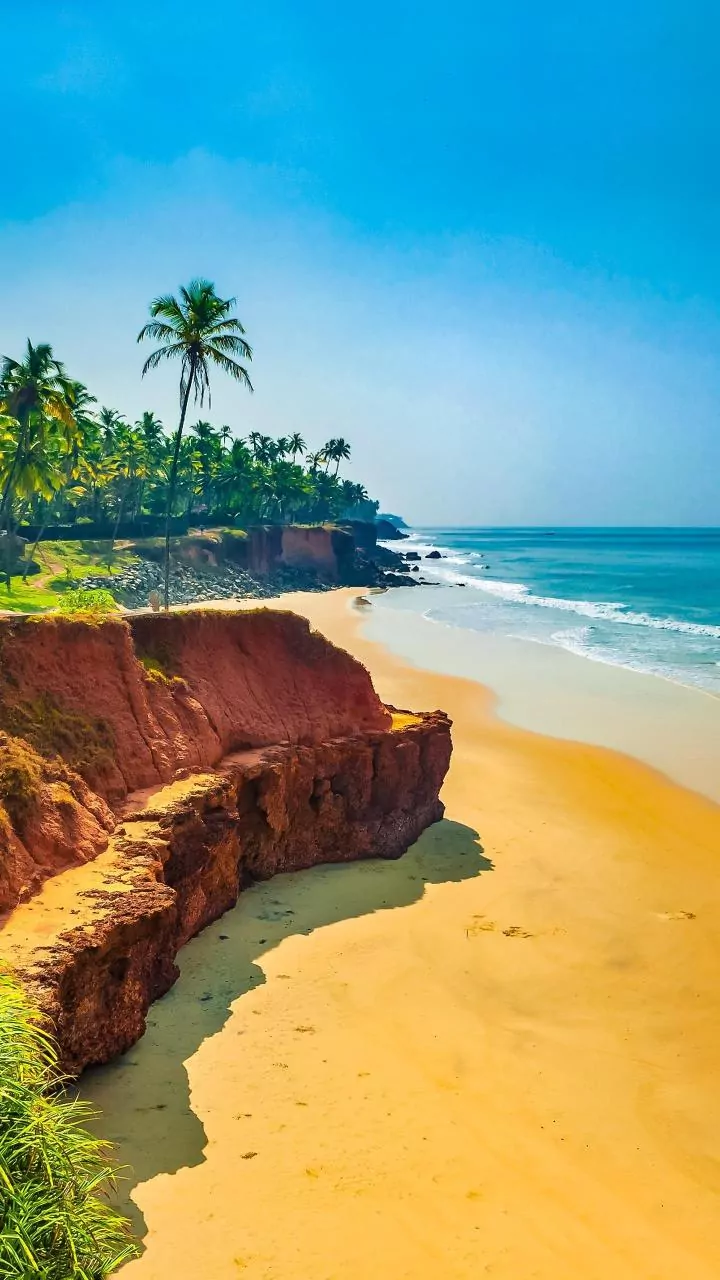
Stretching along India's western coastline, the Konkan Railway is an engineering marvel that connects Maharashtra, Goa, and Karnataka. This route is a visual feast, featuring over 2,000 bridges and 91 tunnels that cut through the Western Ghats. Photographers are treated to panoramic views of the Arabian Sea, verdant hills, and vibrant villages. The journey is particularly spectacular during the monsoon season (June to September), when the landscape transforms into a paradise of cascading waterfalls and mist-covered valleys. Key photographic highlights include the towering Panvalnadi viaduct and the dramatic sight of a train passing near the magnificent Dudhsagar Falls. The route offers a constantly changing frame, from coastal sunsets near Ratnagiri to the lush greenery of Goa.
The Sea Bridge to Rameswaram
For a truly unique and breathtaking shot, the journey to Rameswaram Island in Tamil Nadu is unparalleled. The main attraction here is the Pamban Bridge, India’s first sea bridge, which has been operational for over a century. This 2-km-long railway bridge runs parallel to a newer road bridge, offering a stunning spectacle as the train seems to glide just above the turquoise waters of the Palk Strait. Capturing a train crossing this iconic structure, especially during sunrise or sunset, results in spectacular images. The stark contrast between the steel bridge, the blue water, and the colourful train carriages makes it a bucket-list location for railway photographers. The unique design includes a double-leaf bascule section that opens to allow ships to pass through, adding another layer of photographic interest.
Mumbai’s Local Lifeline: Capturing Humanity
While scenic landscapes offer grandeur, the heart of Indian railway photography often lies in its human element. Mumbai's local train network is the pulsating lifeline of the city, and a goldmine for documentary and street photographers. The focus here shifts from nature to people. Capturing the organised chaos of rush hour at stations like Chhatrapati Shivaji Maharaj Terminus (a UNESCO World Heritage site itself), the diverse faces peering out of train windows, and the vibrant life unfolding on the platforms tells a powerful story of India's urban spirit. The sheer density of people, the colourful attire, and the endless motion provide a dynamic and emotionally rich environment. It's an opportunity to photograph moments of quiet reflection amidst the crowd, the hurried pace of daily commuters, and the unique culture that thrives around this massive transit system.
Essential Photography Tips
Safety should always be your top priority. Maintain a safe distance from tracks and never trespass on railway property without explicit permission. For capturing moving trains, a fast shutter speed (1/500s or higher) is essential to freeze motion and get sharp images. Alternatively, a slower shutter speed can be used for creative panning shots to convey a sense of speed. When shooting from inside the train, a window seat is your best friend. Look for curves in the track, which allow you to include the train itself in your composition against the backdrop of the landscape. The 'golden hours' of sunrise and sunset will provide the most dramatic lighting for any of these routes. Finally, while the grand vistas are tempting, don't forget to capture the smaller details—the vintage station signs, the interactions between passengers, and the textures of the train itself.