







The Post-Monsoon Garden Reset
After weeks of relentless rain, gardens can look weary. Soil is often compacted, waterlogged, and leached of essential nutrients. September offers the perfect window to perform a seasonal reset. This is the time to address the after-effects of the monsoon,
such as poor drainage, soil erosion, and fungal growth. Think of it as spring cleaning, but for autumn. Clearing out dead leaves, removing damaged stems, and aerating the soil creates a healthy foundation for new growth. This preparatory work is crucial for ensuring that the seeds you sow now will have the best possible environment to thrive in the coming winter.
Preparing the Soil and Beds
The first practical step is to rejuvenate your soil. Heavy rains can wash away nutrients and compact the earth, making it difficult for roots to breathe. Start by gently loosening the topsoil with a garden fork. To replenish what the monsoon has taken, enrich your soil by mixing in well-rotted compost or organic manure. For those gardening in pots or areas with heavy clay soil, using raised beds or ensuring containers have excellent drainage holes can prevent waterlogging and root rot. Adding a layer of mulch, such as straw or dry leaves, helps conserve the remaining moisture, suppresses weeds, and further improves soil structure.
Sowing Flowers for Winter Colour
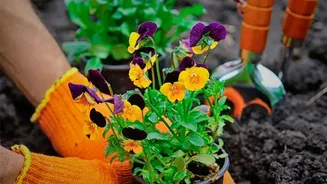
September is the ideal time to sow seeds for the cool-season flowers that will brighten your garden from winter through spring. Many of India's most beloved winter blooms are started this month. Varieties like Marigold, a staple for festivals, are perfect for sowing now. Other excellent choices include Petunia, Pansy, Dianthus, Calendula, and Sweet Pea. These can be started in seed trays and transplanted once the seedlings are strong enough. Sowing these seeds in September allows them to establish strong root systems before the cooler temperatures set in, promising a profusion of blooms when winter arrives.
Planting Your Winter Vegetable Patch
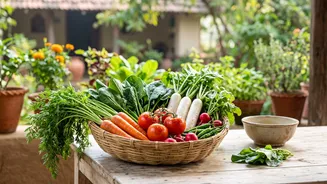
The promise of a winter harvest begins with September sowing. This is the prime time to plant a wide array of cool-season vegetables. Leafy greens are a popular choice, with Spinach (Palak), Lettuce, and Coriander (Dhaniya) thriving in the milder autumn climate. Root vegetables like Carrots (Gajar), Radishes (Mooli), and Beetroot also do exceptionally well when sown now. For a heartier crop, consider planting seeds for Cauliflower, Cabbage, Peas, and Beans. Whether you have a large plot or a small balcony, many of these vegetables are well-suited for container gardening, making it easy for anyone to enjoy fresh, homegrown produce.
Herbs and Ongoing Care
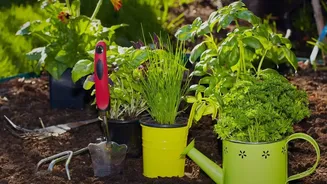
Don't forget to plant herbs that flourish in cooler weather. Coriander, which tends to bolt in summer heat, grows vigorously now. Parsley and Dill are also excellent choices for a September herb garden. As you introduce new plants, remember to care for your existing ones. Adjust your watering schedule as the rains subside and the sun returns. Check for pests that may have appeared during the humid monsoon months and trim away any fungal or mould-affected leaves to prevent spread. Hold off on aggressive fertilizing for a few days post-monsoon to allow plants to recover from the stress of heavy rains.