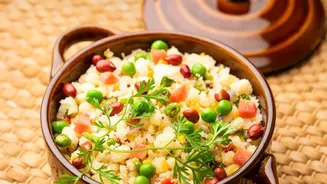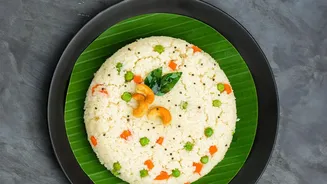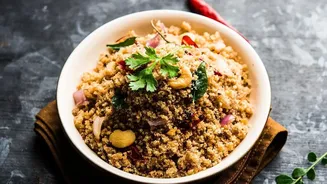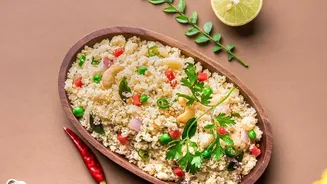


The Maharashtrian Mainstay: Kanda Poha
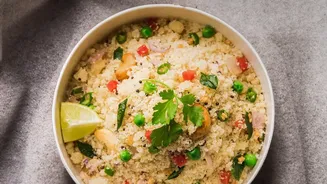
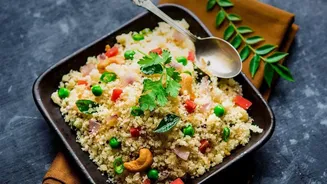
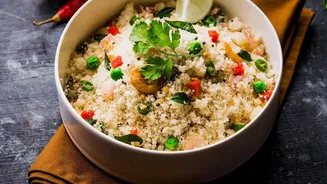
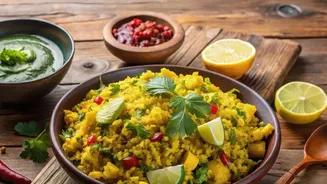
For many, poha is synonymous with Kanda Poha, the beloved breakfast from Maharashtra. The name itself gives away its hero ingredient: 'kanda', or onion. This version is the epitome of comfort food—quick, savoury, and deeply satisfying. Thick poha flakes
are gently rinsed until they are soft and fluffy. A tempering of mustard seeds, curry leaves, and green chillies is prepared, into which a generous amount of chopped onions and often potatoes ('batata') are sautéed until soft. Turmeric gives the dish its signature sunny yellow hue. Often finished with roasted peanuts for crunch and a squeeze of lemon for brightness, Kanda Poha is a masterclass in balanced flavours and textures. It is a hearty, wholesome start to the day, reflecting the pragmatic and flavourful nature of Maharashtrian cuisine.
The Indori Delight: A Street Food Star
Travel to Indore in Madhya Pradesh, and poha transforms from a simple breakfast into a celebrated street food experience. Indori Poha is famous for its unique preparation and elaborate garnishes. The poha flakes are steamed, not sautéed with the spices, resulting in an exceptionally soft and fluffy texture. The flavour profile is a delightful mix of sweet, tangy, and savoury. What truly sets it apart is the topping culture. A plate of Indori Poha is generously garnished with crunchy sev (a fried gram-flour snack), finely chopped onions, and fresh coriander. The final, indispensable touch is a liberal sprinkle of Jeeravan masala, a special local spice blend that imparts a peppery, tangy flavour. Often served with a side of sweet jalebi, the combination creates a sweet and savoury explosion that is uniquely Indori.
The Konkan Curiosity: Dadpe Poha
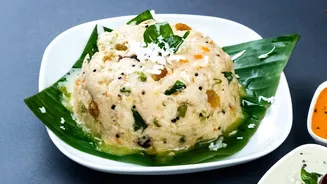
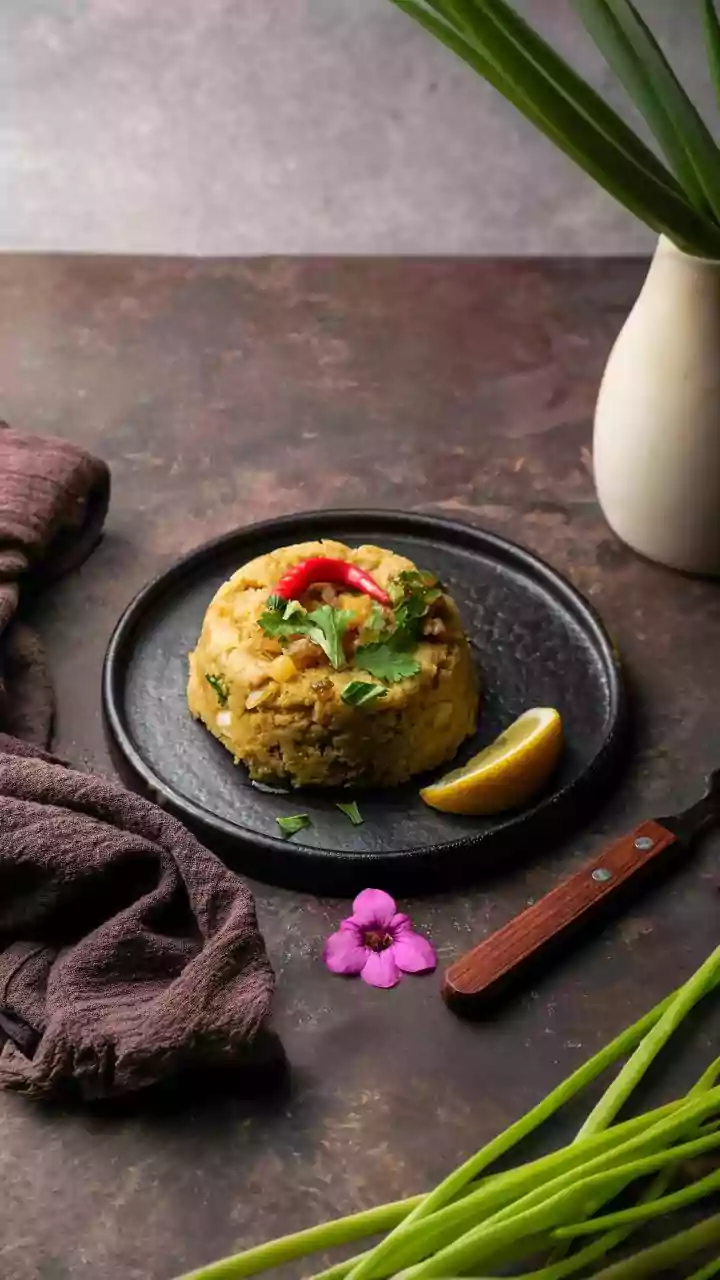
Along the Konkan coast of Maharashtra, poha takes on yet another form: Dadpe Poha. This variation is fascinating because it involves almost no cooking. The name 'Dadpe' means 'to press', which is central to its preparation. Here, thin poha flakes are mixed with freshly grated coconut, chopped onions, coriander, and a simple tempering. The magic happens next: the mixture is pressed down and left to rest. During this time, the moisture from the coconut and onions softens the poha flakes, allowing them to absorb all the flavours without any heat. The result is a light, refreshing, and beautifully aromatic dish that speaks to the coastal abundance of coconut and the region's warm climate. It’s a testament to how local ingredients and climate can shape a recipe into something entirely new.
The Southern Twist: Gojju Avalakki
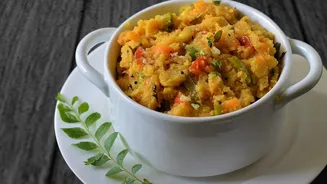
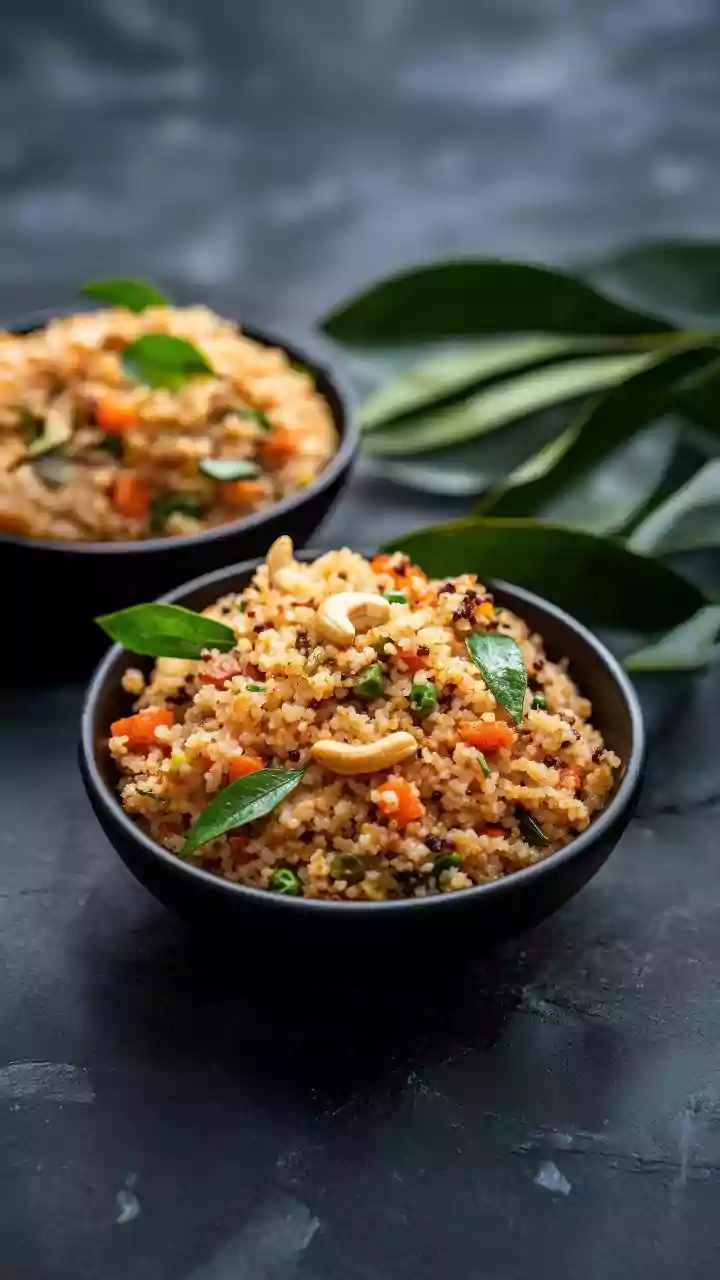
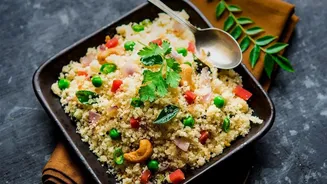
In Karnataka, poha is known as 'avalakki', and one of its most distinctive preparations is Gojju Avalakki, or Huli Avalakki. 'Gojju' refers to a thick, tangy gravy, which is the heart of this dish. Unlike its Maharashtrian counterpart, this version boasts a bold, sweet-and-sour flavour profile derived from tamarind and jaggery. The poha is soaked in a flavourful liquid made from tamarind pulp, rasam or sambar powder, and spices, which it absorbs completely. The final dish is a complex and moist preparation, often tempered with mustard seeds, lentils, and peanuts. It’s a breakfast that packs a punch, showcasing the South Indian love for tangy and spicy flavour combinations. It stands as a perfect example of how the same base ingredient can be completely reimagined to fit a different regional palate.