





What is the Konkan Railway Monsoon Timetable?
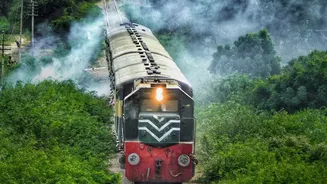
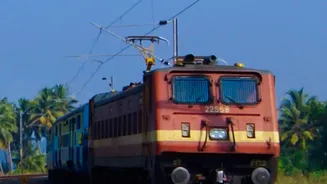
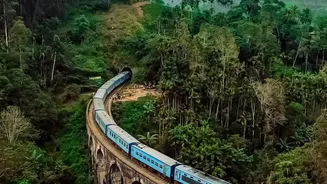
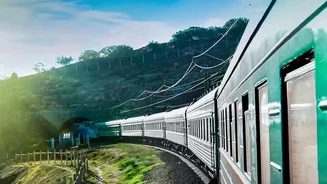
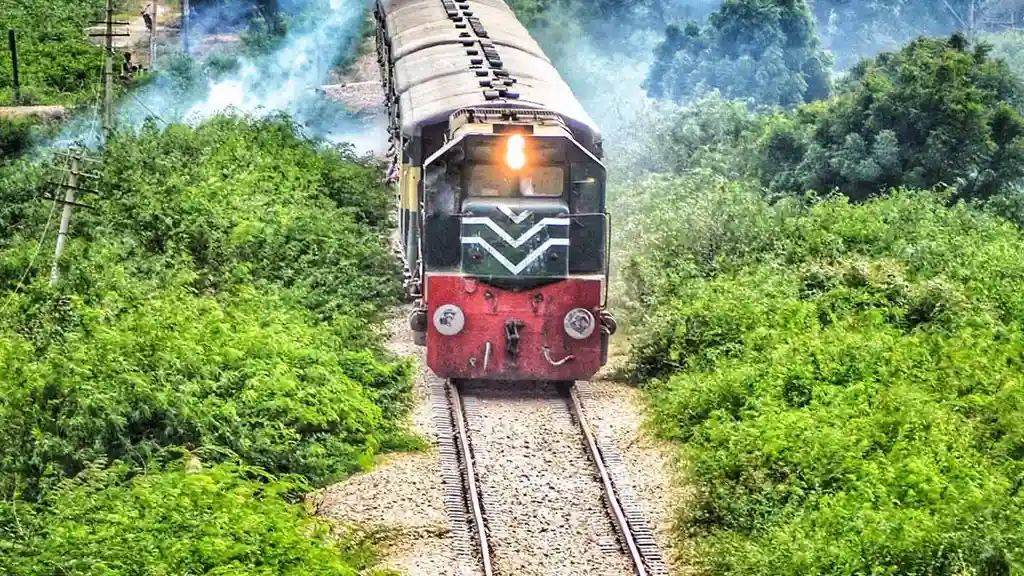
Every year, typically from mid-June to late October, the Konkan Railway Corporation Limited (KRCL) implements a special monsoon timetable. This is a crucial safety measure for one of India's most scenic but geographically challenging railway lines, which
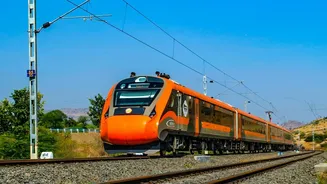
navigates the rugged Western Ghats. During these months, heavy rainfall can increase the risk of landslides and reduce visibility, so train speeds are significantly reduced in vulnerable sections. For passengers, this means journey times are extended, sometimes by a couple of hours, and some popular services like the Vande Bharat and Tejas Express run on a reduced frequency. The primary goal is to ensure passenger safety above all else.
The Unexpected Advantage for Air Travellers
While longer train journeys might seem like a drawback, the adjusted schedule creates a unique opportunity. Many overnight or early morning trains that would normally arrive at their destinations at odd, pre-dawn hours now pull in later in the morning. This schedule shift unintentionally aligns perfectly with the departure times of morning and afternoon flights from key airports like Goa’s Dabolim (GOI) and Mopa (GOX), or Mangalore International Airport (IXE). Instead of waiting for hours at a station or booking a hotel for a short rest, passengers can now enjoy a comfortable, scenic train journey and make a seamless, same-day transfer to their flight.
A Practical Example: The Mumbai-Goa Connection
Consider a journey from Mumbai to Goa. An overnight train like the Konkankanya Express, which might typically arrive in Madgaon in the early morning, could see its arrival pushed to a more convenient time like 9 or 10 AM under the monsoon schedule. Goa’s main railway stations, Madgaon and Karmali, are reasonably connected to both its airports. This later arrival leaves ample time to get a taxi, have breakfast, and comfortably check in for a 1 PM or 2 PM flight to another city, eliminating the long, unproductive waiting period that a 5 AM arrival would entail. This turns the train journey into the first leg of a relaxed, multi-modal trip.
Expanding the Map to Mangalore and Kerala
This travel hack isn't limited to Goa. The monsoon timetable affects services running all the way down to Karnataka and Kerala. Trains like the Matsyagandha Express and Netravati Express, which connect Mumbai and other cities to Mangalore, also run on revised timings. A train arriving at Mangaluru Junction in the late morning opens up possibilities for connecting flights from the nearby airport without the stress of a tight connection or an overnight stay. For travellers heading to or from Kerala, trains like the Mangala Lakshadweep Express will also see their schedules adjusted, potentially creating similar convenient transfer windows.
Weighing the Cost, Comfort, and Scenery
Combining a train and a flight can often be more economical than booking a direct flight, especially if the train leg covers a significant distance. While first-class AC train tickets can sometimes rival budget airline prices, a second or third AC berth is almost always substantially cheaper. Beyond cost, there's the experience itself. The Konkan Railway is renowned for its breathtaking views of lush greenery, waterfalls, and coastal vistas, particularly during the monsoon. Opting for a train-plus-flight journey allows you to enjoy this iconic scenic route before efficiently jetting off to your final destination, combining the romance of rail travel with the speed of air travel.
How to Plan Your Journey
If you're considering this travel strategy, planning is key. The monsoon schedule typically runs from around June 15 to October 20, but it's essential to verify the exact dates each year. Always check the revised train timings on the official National Train Enquiry System (NTES) app or the Indian Railways website before booking. Pay close attention to the new arrival times for key trains like the Mandovi Express, Konkankanya Express, Tejas Express, and others impacted by the seasonal changes. By carefully aligning your train's arrival with your flight's departure, you can unlock a smarter, more enjoyable, and often cheaper way to travel during the monsoon.