

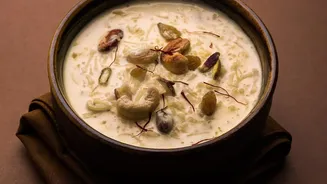
That light, airy bowl of roasted makhana is a much-loved Indian snack. But have you ever wondered where it comes from? The answer is far from the simple snack it becomes, beginning a fascinating journey from a prickly water lily in a muddy pond.
The Prickly Water Lily of Mithila
Makhana,
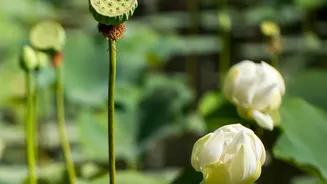
also known as fox nuts, are the seeds of a unique aquatic plant called Euryale ferox. This is not your average ornamental lotus. It’s a prickly water lily with large, thorny leaves that float on the surface of stagnant water bodies like ponds and wetlands. The plant thrives in the tropical and subtropical climate of regions like Bihar, which produces about 85-90% of the world's makhana. The Mithila region of Bihar, in particular, is the heartland of makhana cultivation, a practice that has earned 'Mithila Makhana' a Geographical Indication (GI) tag. The plant's spiky fruit develops underwater, and once mature, it bursts, releasing the seeds which then sink to the pond's muddy floor, setting the stage for a remarkably difficult harvest.
A Labour-Intensive Harvest
The journey from pond to packet is a testament to manual labour and traditional knowledge. Harvesting makhana is not a simple task of plucking; it involves farmers wading into shallow ponds, often diving underwater to manually collect the small, hard seeds from the muddy bottom. This process is physically demanding and requires immense skill and stamina. Using bamboo poles and nets, collectors gather the sunken seeds, which are then brought to the surface. Once collected, the seeds are thoroughly washed to remove mud and plant debris before being spread out to dry under the sun for several days. This initial stage is entirely manual and highlights the tremendous effort that goes into procuring this humble seed.
The Fiery Transformation
The real magic happens during processing. After drying and grading by size, the hard black seeds are roasted in large iron pans at extremely high temperatures. This critical step prepares the shell for the 'pop'. While the seeds are still hot, they are placed on a hard surface and struck with a wooden mallet. This requires perfect timing and precision; a skilled worker cracks the outer shell, and the heat trapped inside causes the kernel to instantly expand and pop, transforming the small black seed into the familiar white, fluffy makhana. This intricate, manual popping process is what makes makhana production so unique and labour-intensive. After popping, the makhana is cleaned of shell fragments and graded again before a final roasting to achieve its signature crunch.
A Nutrient-Dense Superfood
Makhana has earned its 'superfood' status for good reason. It boasts an impressive nutritional profile, being naturally low in calories and fat while rich in protein, fibre, and essential minerals like magnesium, potassium, and calcium. A 100g serving contains around 9.7 grams of protein and 14.5 grams of dietary fibre, making it a satiating snack that aids digestion and helps in weight management. It is also gluten-free and has a low glycemic index, making it a suitable snack for those with diabetes. Furthermore, makhana is packed with antioxidants like kaempferol, which help combat inflammation and oxidative stress in the body.
From Ritual Food to Global Snack
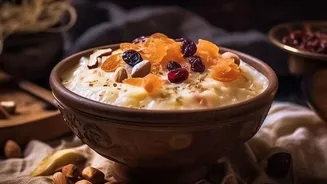
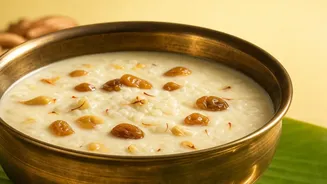
For centuries, makhana has held cultural and religious significance in India. It is considered a 'sattvic' or pure food in Ayurveda and is widely consumed during religious fasts like Navratri because it is light yet provides sustained energy. Traditionally, it has been used in preparations like kheer, curries, and as offerings in temples. In recent years, however, makhana has transcended its traditional role. As health-conscious consumers globally seek out nutritious, plant-based, and gluten-free alternatives, makhana has emerged as a popular modern snack. Now available in a variety of roasted and flavoured options, it has successfully transitioned from a regional staple to a globally recognized health food.