




The Power of Ingredient Transparency
One of the most significant reasons for the sustained popularity of DIY hair masks is the desire for control over ingredients. When you mix your own mask, you know exactly what you're putting on your scalp and hair, avoiding the long, often confusing
ingredient lists of commercial products. This transparency is particularly appealing for those with sensitive skin, allergies, or a preference for avoiding synthetic chemicals. The ability to select pure, simple ingredients like avocado, honey, or yogurt provides a sense of safety and assurance that's hard to replicate with store-bought alternatives.
Nature’s Most Potent Conditioners
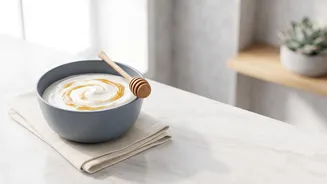
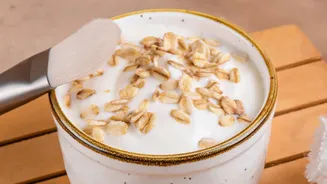
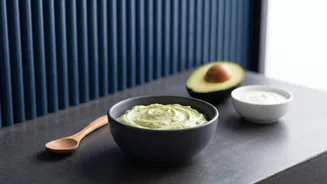
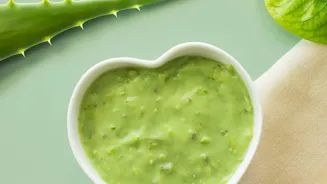
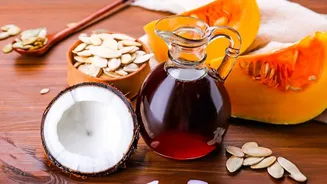
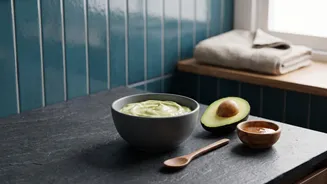
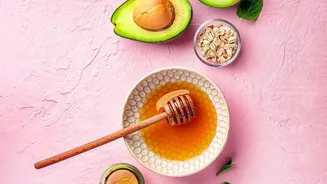
Natural ingredients are not just gentle; they are incredibly effective. Avocado, for instance, is packed with vitamins, proteins, and healthy fats that moisturise and repair damaged hair. Honey acts as a natural humectant, drawing moisture into the hair shaft, which helps to smooth frizz and add shine. Coconut oil is renowned for its ability to penetrate the hair cortex and reduce protein loss. Other kitchen staples like yogurt, rich in lactic acid and proteins, can cleanse the scalp and strengthen hair strands. These ingredients offer targeted benefits—from deep hydration to scalp health—that have been trusted for generations.
An Affordable, High-Impact Ritual
Compared to expensive salon treatments and high-end hair products, DIY masks are remarkably cost-effective. Many of the core ingredients are already in your kitchen pantry or can be purchased affordably at a local grocery store. This accessibility allows for consistent, high-impact care without the hefty price tag. For many, the ability to achieve salon-quality results at a fraction of the cost is a major draw, making regular deep conditioning a sustainable part of their beauty routine rather than an occasional splurge.
More Than Haircare: A Moment of Mindfulness
The practice of creating and applying a hair mask has evolved into a powerful self-care ritual. In a fast-paced world, this simple act encourages a moment of pause and mindfulness. The process itself—mixing the ingredients, massaging the mask into the scalp and hair, and taking 20-30 minutes to let it work—can be a therapeutic and grounding experience. Studies show that engaging in such repetitive, gentle actions can help activate the body's 'rest and digest' mode, reducing stress and promoting a sense of calm. It transforms a routine chore into a meaningful act of self-worth and relaxation.
Ultimate Customisation for Your Hair
No two heads of hair are the same, and DIY masks offer endless possibilities for personalisation. Unlike one-size-fits-all products, a homemade mask can be tailored to address specific, individual needs. If your hair is oily, a mixture of yogurt and lemon juice can help cleanse the scalp and balance oil production. For dry, brittle hair, a rich mask of avocado, honey, and olive oil can provide intense hydration. Those with fine hair looking for strength might turn to an egg-based mask, while those with frizz can benefit from banana. This ability to tweak recipes ensures that you are giving your hair exactly what it needs at any given time.