






A Taste of History
Prayagraj, formerly known as Allahabad, is often called the 'Guava Capital of India' or 'The City of Green Gold'. Its connection to the fruit is deeply rooted in history, with some tracing its legacy back 500 years to the Mughal era. The region's unique
climate and the fertile soil of the Ganga-Yamuna doab are credited with producing guavas that are distinct from those grown anywhere else. This long-standing tradition has made the fruit an inseparable part of the city's identity, celebrated in poetry and cherished as a seasonal gift that is often more valued than sweets or dry fruits. The 19th-century poet Akbar Allahabadi famously declared that besides himself, the humble guava, or 'amrood', was the only other thing of worth in the city.
The Celebrated Varieties
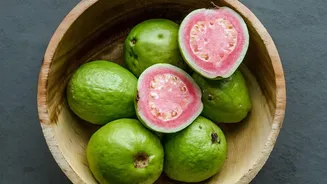
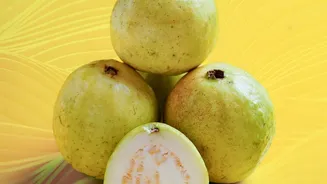
When one speaks of Prayagraj guavas, two principal varieties come to mind: the Allahabad Safeda and the Allahabad Surkha. The Safeda is the most widely produced variety, known for its round shape, smooth yellowish-white skin, and creamy white flesh. It has a pleasant, mild sweetness and relatively few seeds, making it a popular choice for eating fresh. The Surkha, however, is the true showstopper. Its name, meaning 'red', refers to its striking apple-red skin and deep pink, succulent flesh. It is known for being intensely sweet and aromatic with very few seeds. This unique appearance and flavour profile earned the Allahabad Surkha a coveted Geographical Indication (GI) tag in 2007-08, legally recognizing its specific geographical origin and qualities.
Why Winter Reigns Supreme
While guava trees in North India can produce fruit multiple times a year, the winter harvest, typically from November to January, is considered the finest in quality. The cooler, dry conditions of the winter months are believed to enhance the fruit's flavour, sweetness, and texture. Farmers note that the quality and yield of the winter crop are heavily dependent on favourable weather. During this peak season, the streets of Prayagraj are lined with vendors, their carts piled high with fresh, fragrant guavas. The fruit becomes a common sight not just in local markets but also at the Prayagraj railway junction, where passengers in transit often rush to buy a taste of the celebrated fruit.
From Local Pride to Global Demand
The reputation of Prayagraj's guavas extends far beyond Uttar Pradesh. They are shipped across India and are increasingly finding a market overseas. The distinct qualities of the Surkha and Safeda varieties have generated demand from countries in the Middle East and even Europe. This growing popularity provides a significant livelihood for thousands of farmers in the Prayagraj and Kaushambi districts, where specific areas have been designated as official 'fruit belts' to support cultivation. Despite challenges from urbanization and climate shifts, efforts are underway to sustain this legacy. Agricultural scientists are introducing new, hardier varieties and modern cultivation techniques to help farmers improve their yields and ensure that the 'City of Green Gold' continues to produce its most famous export.