





The Great Indian Tax-Filing Scramble
For salaried individuals and non-audit cases in India, the July 31st deadline is an unmovable fixture in the calendar. The days leading up to it are a flurry of activity: downloading Form 16, reconciling transactions with the Annual Information Statement
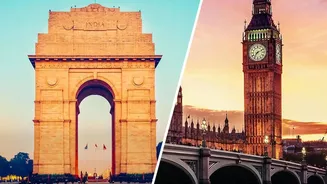
(AIS), and navigating the government's e-filing portal. Despite official assurances that the portal can handle the load, many taxpayers complain of slowdowns and glitches, adding to the stress of the last-minute rush. With crores of returns being filed, the final days become a high-stakes race against time to avoid penalties for late submission. This annual exercise is a direct touchpoint between the citizen and the state, a tangible part of the fiscal social contract that underpins a nation of over 1.4 billion people.
Meanwhile, in a Land Without Income Tax
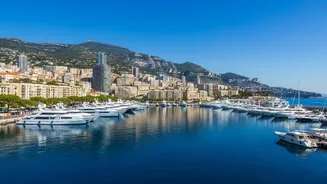
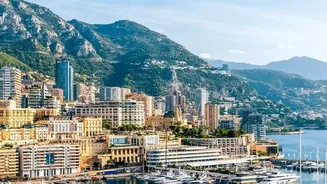
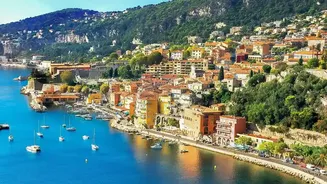
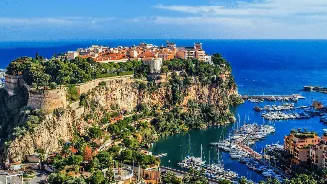
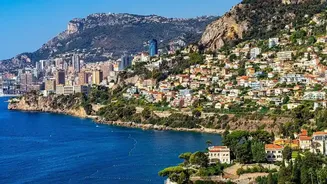
Now, imagine a country where this entire ritual simply doesn't exist. Welcome to Monaco, a tiny principality on the French Riviera with a population of around 38,000. Since an ordinance passed by Prince Charles III in 1869, Monaco has not levied any personal income tax on its residents. This means no tax on salaries, investments, capital gains, or dividends for most people who live there. It's a policy that has made the two-square-kilometre nation a magnet for the world's ultra-wealthy, from business tycoons to Formula One drivers. The concept of a tax-filing season, with its associated stress and deadlines, is completely foreign.
If Not Income Tax, Then How?
The obvious question is how a country can afford to run itself without collecting tax on personal income. Monaco's government isn't without funds; it just gets them from different sources. The single biggest contributor is Value Added Tax (VAT), which is levied at the same rate as in France (currently 20% for the standard rate). This tax on goods and services provides approximately half of the state's revenue. The next major source is corporate tax. Businesses that generate more than 25% of their turnover outside of Monaco are subject to a tax on profits. The remainder of the budget is filled by revenue from state-owned monopolies like the postal service and the famous Monte Carlo Casino, as well as taxes on real estate transactions and inheritance.
The Fine Print on 'Tax-Free' Living
The "tax-free" label comes with significant caveats. The most important exception applies to French nationals. A 1963 treaty between France and Monaco ensures that French citizens who move to the principality are still subject to French income tax, preventing them from using their neighbour as a tax haven. For everyone else, becoming a resident and benefiting from the zero-tax policy requires a substantial financial commitment, including proof of accommodation and a minimum bank deposit often cited to be around €500,000. Furthermore, while there's no income tax, residents still pay social security contributions of around 10-14%. It's a paradise, but one with a high price of admission.
A Tale of Two Social Contracts
Ultimately, the chasm between India's tax rush and Monaco's tax-free status is a story of scale and philosophy. India's tax system, however complex, is designed to fund everything a modern subcontinent requires: infrastructure, defence, education, healthcare, and social welfare programs for 1.48 billion citizens. It is a fiscal social contract where citizens contribute a portion of their income to the collective good in exchange for public services. Monaco, by contrast, is a city-state built on a different model. Having lost most of its territory in the 19th century, it reinvented itself as a secure, luxurious destination for the global elite. Its economy relies on tourism, finance, and serving its wealthy residents, whose consumption (via VAT) and business activities fund the state. It doesn't need to fund a military or vast infrastructure projects; its needs are those of a small, incredibly dense, and wealthy town.