







The Allure and the Reality
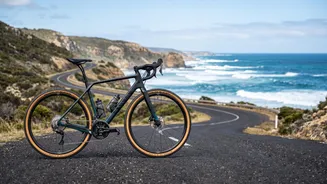
Stretching 243 kilometres along Victoria’s rugged coastline, the Great Ocean Road is one of the world’s most spectacular cycling routes. The journey promises unforgettable vistas of limestone cliffs, lush rainforests, and crashing waves. However, the reality
of the ride involves more than just beautiful scenery. Cyclists must contend with narrow sections, limited road shoulders, and significant tourist traffic, especially on weekends and during peak season. The road's popularity with drivers, combined with its challenging geography, means that safety and strategic planning are not just recommended—they are essential for a successful trip.
Strategic Timing is Everything
To get the best experience, timing your ride is crucial. The peak tourist season from November to April offers the best weather but also the heaviest traffic. For a better balance, consider riding in March or April when the weather is still pleasant but the crowds have started to thin. An early morning start is your best tactic regardless of the season. Getting on the road before sunrise allows you to get ahead of the main flow of tourist cars and buses, which often build up from mid-morning. Traffic tends to be slowest during these peak times, which can be a mixed blessing, but an early start ensures more open road. Also, be mindful that wildlife, such as kangaroos, are most active at dawn and dusk, adding another element to be aware of on inland sections.
Essential Safety and Road Rules
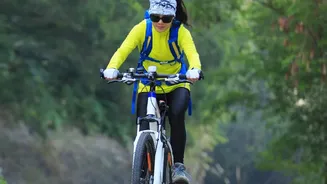
Visibility is your most important safety tool. Always wear bright, light-coloured, or reflective clothing. Using a bright, flashing white light at the front and a red light at the rear, even during the day, is highly recommended to make sure you are seen by drivers. An approved, securely fitted helmet is a legal requirement in Victoria. Legally, you can ride two abreast, but it is safer and more courteous to switch to single file on narrow, winding roads or when traffic builds up behind you. Always be predictable with your movements and use clear hand signals for turns. Be particularly cautious around the many lookout points, as tourist vehicles may pull in or out unexpectedly. Remember that drivers must give you a minimum of one metre of space when passing in speed zones up to 60km/h and 1.5 metres in zones over 60km/h.
Navigating the Route's Key Sections
The road can be broken down into three main parts, each with its own character. The stretch from Torquay to Apollo Bay is famous for its winding coastal roads and surf beaches, but it is also one of the busiest sections. The road hugs the coast with numerous bends, meaning traffic often slows down naturally, but overtaking opportunities for cars are scarce. The next section, from Apollo Bay into the Otway Ranges, features the ride's most significant climbs through lush rainforest. Here, you'll need to be wary of different hazards like logging trucks and potentially slippery road surfaces from moss or rain. Finally, the section from Princetown past the Twelve Apostles towards Warrnambool is generally flatter but can be exposed to strong westerly winds, so it is often recommended to ride from west to east to take advantage of tailwinds.
Gearing Up for the Challenge
A road or touring bike with a good range of gears is recommended to tackle the steep climbs, particularly around the Otways. Your essential kit should include a puncture repair kit with spare tubes, a pump, and basic tools. Given the changeable coastal weather, packing layers of clothing is a wise move. Towns are well-spaced for refuelling, but you should always carry sufficient water and snacks, especially before heading into the more remote Otway section. Check the VicTraffic and VicEmergency apps before you leave for any road closures, roadworks, or fire warnings, as conditions in the region can change quickly.