




The Great Escape Becomes A Great Traffic Jam
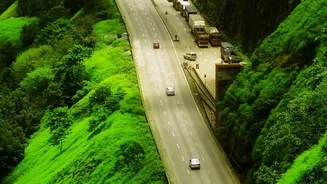
For generations, names like Shimla, Manali, Mussoorie, and Ooty have been synonymous with respite from the scorching summer plains. Today, they are increasingly synonymous with gridlock. Videos of bumper-to-bumper traffic snaking up mountain roads have become
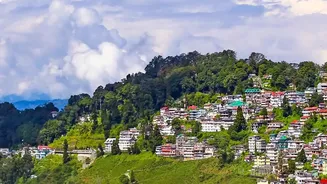
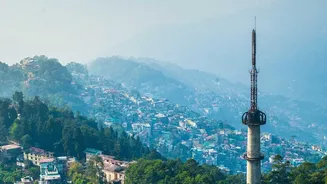
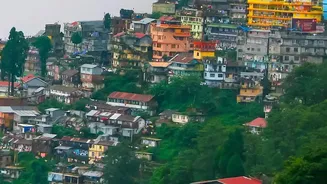
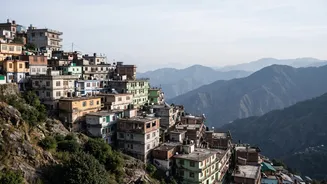
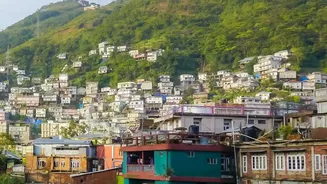
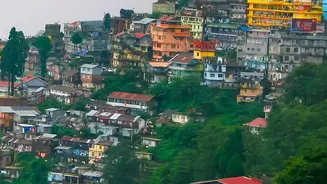
an annual social media fixture. Destinations originally designed for a fraction of their current visitor numbers are now bursting at the seams. Shimla, a town built for 25,000 people, now contends with a population far exceeding that, plus a massive influx of tourists that can see tens of thousands of vehicles arriving in a single weekend. The situation is similar across the board, from Kodaikanal in the south to Darjeeling in the east, where narrow colonial-era roads simply cannot handle the modern crush of cars, leading to hours-long jams and frayed tempers.
More Than Just Traffic
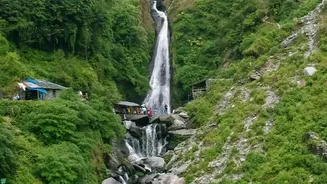
The visible chaos of traffic is just one symptom of a deeper crisis known as overtourism. This phenomenon occurs when the sheer volume of visitors strains a destination beyond its carrying capacity, leading to a cascade of problems. Unchecked, often illegal, construction of hotels and guesthouses has replaced green slopes with concrete, destabilising fragile hillsides and increasing landslide risk. Essential resources are under immense pressure. Water scarcity has become a critical issue, with tourist consumption far outstripping local supply, leading to rationing for residents. Waste management systems are overwhelmed, with plastic bottles and garbage choking streams and valleys, turning scenic viewpoints into dumpsites. The very charm that drew people in—the tranquility, clean air, and natural beauty—is being eroded by noise, pollution, and ecological damage.
Why Is Attention Growing Now?
Several factors have pushed this long-simmering issue to a boiling point. The post-pandemic surge in domestic travel, often dubbed 'revenge travel', saw millions head for the hills after long lockdowns, exacerbating the crowds. Increased accessibility, including budget airlines and better roads, has made these destinations easier to reach for a growing middle class. Social media also plays a significant role, popularising 'Instagrammable' spots and driving traffic to specific locations, often without regard for their fragility. More alarmingly, the consequences are becoming impossible to ignore. A recent increase in extreme weather events across the Himalayas, including flash floods and land subsidence crises in towns like Joshimath, has been linked to the pressures of unplanned development and climate change, bringing a new urgency to the conversation.
The Search For A Sustainable Future
The growing awareness has sparked a debate on how to save these cherished landscapes. Experts and state governments are now seriously discussing measures that were once considered radical. The concept of 'carrying capacity' studies to determine the maximum number of visitors a town can handle is gaining traction. Some are proposing solutions like tourist taxes, restrictions on vehicular entry during peak seasons, and mandatory environmental impact assessments for all new construction. There is also a push to shift from a model of high-volume tourism to high-value tourism, focusing on unique experiences rather than just numbers. Furthermore, attention is turning towards promoting lesser-known destinations to distribute the tourist load, though this carries the risk of repeating the same mistakes if not managed carefully. Eco-tourism initiatives and community-run homestays, like those in Sikkim and parts of Uttarakhand, are being highlighted as models for a more sustainable path forward, where local communities benefit directly from conservation.