








The Secret Life of Household Dust
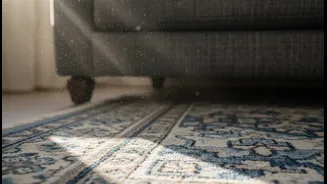
Before you can defeat the enemy, you have to understand it. Household dust is a complex mixture of particles from both inside and outside your home. A large portion is made up of shed human skin cells and pet dander, which are a primary food source for microscopic
dust mites. The rest is a hodgepodge of fabric fibres from clothes and furniture, pollen and soil tracked in from outdoors, and even tiny fragments of insects and their waste. This cocktail of particles settles on every available surface, not only looking untidy but also contributing to poor indoor air quality.
How Clutter Becomes a Dust Magnet
Every single object in your home, from a stack of books to a collection of decorative trinkets, presents a new surface for dust to land on. The more items you have, the more surface area you offer up for dust to accumulate. Clutter creates hard-to-reach nooks and crannies that make regular cleaning a chore. It’s difficult to thoroughly dust a shelf that’s crowded with photo frames, just as it’s hard to vacuum a floor that’s covered in piles of magazines or toys. This accumulated dust, nestled among your belongings, becomes a haven for allergens to flourish, making your home harder to keep clean and healthy.
From Dusty to Healthy: The Allergy Connection
For many, dust is more than just an eyesore; it's a significant health concern. Dust and the dust mites it harbors are among the most common triggers for allergies and asthma. Symptoms can include sneezing, coughing, itchy eyes, a runny nose, and even shortness of breath. By allowing dust to build up in cluttered areas, you are essentially creating reservoirs of allergens. Decluttering removes these hiding spots, which in turn can lead to a tangible improvement in indoor air quality and a reduction in allergy and asthma flare-ups. A less cluttered home is a home that is easier to keep clean, and a cleaner home supports better respiratory health.
A Simple Plan for Dust-Busting Decluttering
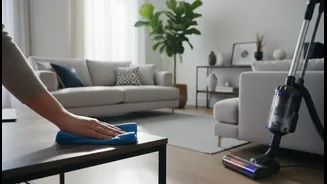
The idea of decluttering can be overwhelming, but you don’t have to tackle everything at once. Start small. Begin with flat surfaces like coffee tables, kitchen counters, and bedside tables. Clear everything off, give the surface a thorough wipe-down with a damp cloth to trap dust, and then be intentional about what you put back. Ask yourself if each item is truly necessary or loved. By simply clearing your primary surfaces, you drastically reduce the visible clutter and make daily wipe-downs a simple, quick task rather than a major project. This one change can make your home feel instantly cleaner.
Embracing a Low-Dust Lifestyle
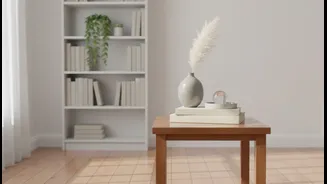
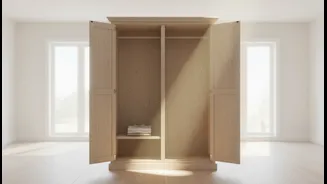
Once you've cleared the surfaces, think about long-term strategies. Opt for closed storage, like cabinets with doors, instead of open shelving, which is a prime dust collector. Regularly sort through items that tend to accumulate, such as mail, clothing, and books. For seasonal items like extra bedding or winter coats, store them in sealed containers or vacuum-sealed bags to protect them from dust. Reducing the overall number of items in your home means less to move, less to clean, and less surface area for dust to settle. This shift in mindset from constant accumulation to mindful curation makes maintaining a clean home far less of a chore.
The Mental Clarity of a Cleaner Space
The benefits of a decluttered, less dusty home extend beyond physical health. Living in a clean, organized environment has been shown to reduce stress and anxiety. Clutter can be a source of constant, low-grade stress, visually reminding us of tasks left undone. A tidy space, on the other hand, promotes a sense of calm and control. When you spend less time cleaning and searching for lost items, you free up both time and mental energy for activities you actually enjoy. The feeling of accomplishment from creating a serene, clean sanctuary is a powerful mood booster in itself.