



The Golden Rule: How to Patch-Test
A patch test helps predict if you'll have a negative reaction to a new product. The American Academy of Dermatology suggests applying a small, coin-sized amount of the product to a discreet area, like your inner forearm or behind your ear. Apply it as
you normally would—for a face mask, leave it on for the recommended time before rinsing; for a serum, let it absorb. Repeat this process for several days if possible, as some reactions are delayed. If you notice any redness, itching, swelling, or bumps, wash the area immediately and stop using the product. No reaction after 48 hours to a week is a good sign you can proceed with full-face application.
1. The Classic Glow-Getter: Turmeric and Yogurt
This traditional Indian mix combines the brightening power of turmeric (haldi) with the gentle exfoliating properties of yogurt. Turmeric contains curcumin, an antioxidant and anti-inflammatory compound that can help even out skin tone. Yogurt contains lactic acid, a mild alpha-hydroxy acid (AHA) that sloughs off dull surface cells. To make a test paste, mix a tablespoon of plain yogurt with just a pinch of good-quality turmeric—too much can stain the skin. Apply your patch, let it sit for 10-15 minutes, and rinse. This mix is best for tackling dullness, but use it sparingly, about once or twice a week, to avoid irritation.
2. The Soothing Brightener: Sandalwood and Rose Water
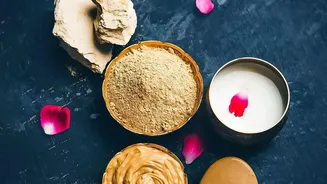
Known for its cooling and calming properties in Ayurveda, sandalwood (chandan) is a gentle option for irritated or blemish-prone skin. It has natural skin-brightening compounds that can help reduce the appearance of an uneven complexion and soothe redness. Rose water acts as a hydrating toner that helps balance the skin. For a patch test, create a simple paste by mixing pure sandalwood powder with a few drops of rose water. Apply and let it dry for 15-20 minutes before rinsing. This combination is particularly well-suited for calming skin after sun exposure or for those with sensitive skin types.
3. The Exfoliating Polish: Gram Flour and Milk
Gram flour (besan) is a staple in Indian skincare for good reason. It acts as a gentle physical exfoliant, lifting away dirt and dead skin cells without being overly harsh. When mixed with milk, you get the added benefit of lactic acid, which provides chemical exfoliation to further soften and brighten the skin. This duo helps to improve texture and reveal a fresher complexion. To test it, mix a tablespoon of besan with enough milk to form a creamy paste. Apply to your test spot, let it dry for about 15 minutes, and rinse with lukewarm water.
4. The Pigment Fighter: Licorice Root and Aloe Vera
Licorice root extract is a powerhouse ingredient for tackling hyperpigmentation. It contains glabridin, a compound that inhibits tyrosinase, the enzyme responsible for producing melanin and causing dark spots. It also has anti-inflammatory benefits, making it excellent for post-acne marks. Mixing licorice root powder with aloe vera gel creates a soothing, hydrating base that helps the active ingredient work effectively. Aloe is also known for its healing properties. This combination is a great option for those looking to address specific spots of discoloration.
5. The Antioxidant Shield: Layering Vitamin C and E
While not a DIY mix, this is a powerful pairing of commercial serums worth patch-testing. Vitamin C is a celebrated brightener that fights free radicals and fades dark spots. Vitamin E is a nourishing antioxidant that helps protect the skin's barrier. When used together, Vitamin E helps stabilize Vitamin C, making it more effective at preventing sun damage. To test this combination, apply your Vitamin C serum to a patch of skin, let it absorb fully, and then layer a Vitamin E serum or moisturizer on top. This duo offers double the antioxidant protection for a brighter, more resilient complexion.
6. The Barrier Builder: Layering Niacinamide and Hyaluronic Acid
Here's another product-layering strategy. Niacinamide (a form of Vitamin B3) is a versatile ingredient that helps reduce hyperpigmentation, calms redness, and regulates oil production. Hyaluronic acid is a humectant that draws moisture into the skin, leaving it plump and hydrated. Using them together offers a one-two punch: the hyaluronic acid hydrates and preps the skin, allowing the niacinamide to work more effectively while minimizing any potential for irritation. Apply hyaluronic acid serum to damp skin, then layer your niacinamide serum on top. This pairing is excellent for almost all skin types, especially those seeking both brightness and hydration.
7. The Gentle Enzyme Peel: Papaya and Honey
Ripe papaya contains an enzyme called papain, which acts as a natural exfoliant to dissolve dead skin cells and reveal brighter skin. It's a much gentler alternative to harsh physical scrubs. Honey is a natural humectant and has antibacterial properties, adding moisture and helping to keep skin clear. To create a test mask, mash a small piece of ripe papaya and mix it with a teaspoon of raw honey. Apply to your patch test area and leave it on for 10-15 minutes. This mix can be great for dullness, but because it is enzymatically active, it's crucial to patch-test to ensure it doesn't irritate your skin.